
The breakdown you shared is accurate on a macro Apps level: software runs our lives, the cloud made everything seamless, and AI is shifting the goalposts of what an app can do. But let’s look at this through a 100% human lens—the view from someone who actually has to navigate this digital landscape every day without going insane.
Here is the unvarnished reality of our relationship with software right now.
The “Digital Fragmentation” Fatigue
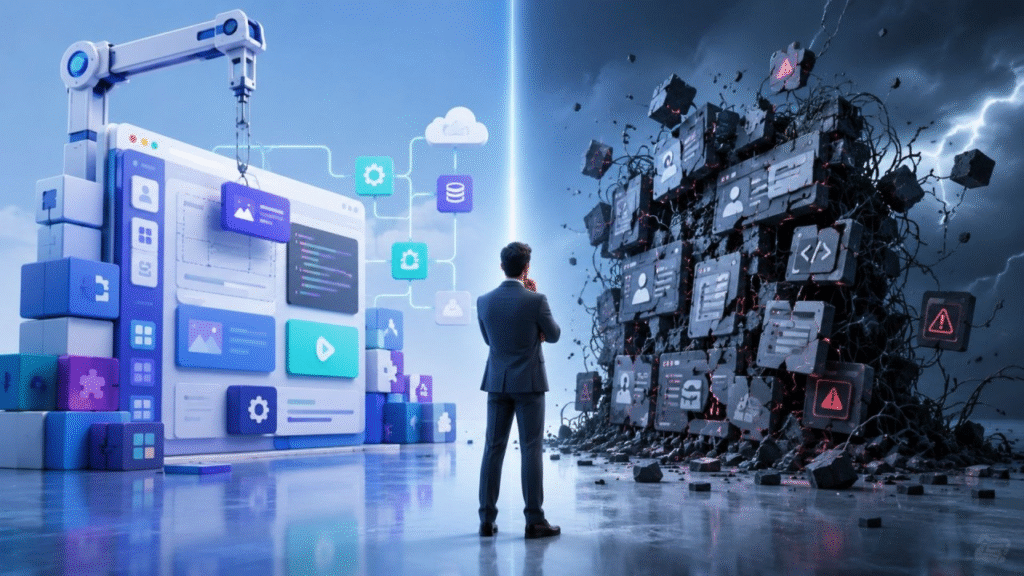
We are living through a paradox. Apps were invented to save us time and streamline our lives. Instead, we’ve ended up with app fatigue.
To get through a standard workday, you don’t just open a computer; you log into an absolute circus of platforms. You have one app for task management, another for team chatting, another for email, another for file storage, and three different video conferencing links depending on who set up the meeting.
Instead of automating our workflows, we have become the manual labor that copies and pastes information between five different tabs just to keep everyone on the same page. The modern digital struggle isn’t a lack of tools; it’s the exhaustion of constantly switching contexts.
The Subscription Trap and Content Lock-In
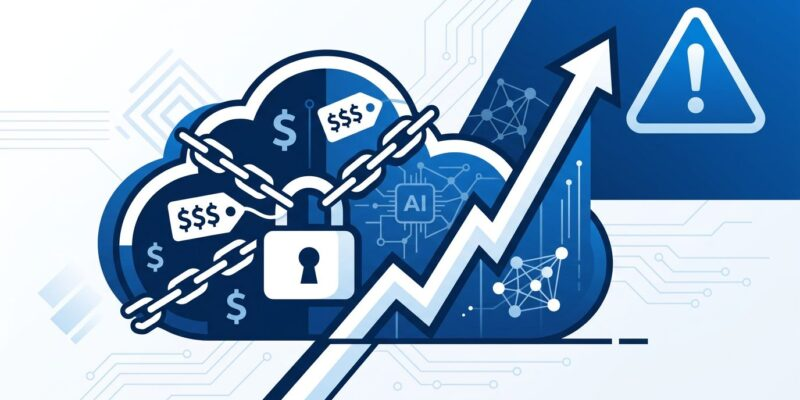
Remember when you bought a piece of software once, installed it from a disc, and just owned it? That era is dead. Everything is a utility bill now.
From your creative suite to your workout tracker and your favorite streaming platform, everything has shifted to the “Software as a Service” (SaaS) model. It’s a brilliant business strategy for tech companies, but for the user, it creates micro-transaction anxiety. You look at your bank statement and realize you are paying $4.99 a month for a note-taking app you haven’t opened since last November. We don’t just manage our apps anymore; we have to actively audit our subscriptions like a corporate accountant.
As AI technology continues to improve, software will become increasingly intelligent and adaptive.
Rather than replacing human capabilities, many AI tools function as assistants that help users work more efficiently.
The combination of human creativity and intelligent technology is creating exciting new possibilities.
The Customization Black Hole

Platforms like Notion, Obsidian, or complex project boards give you absolute, infinite freedom to build your own digital workspace. And what do we do with that freedom? We spend three hours building an incredibly aesthetic, color-coded daily planner database with custom icons—and then we don’t actually do any of the tasks on the list because we used up all our creative energy building the system.
There is a massive trap in the productivity software world right now: over-engineering.
The Golden Rule of Software: If an app requires you to maintain it more than it maintains your life, it is a hobby, not a tool.
With so many options available, selecting the right tools requires careful consideration.
The best software is not always the most popular or feature-rich.
Instead, it should align with your specific goals and needs.
A student may prioritize educational resources.
A business owner may require project management and accounting tools.
A creator may focus on design and content production software.
Understanding your priorities helps narrow the selection process.
The Realistic Minimalist App Stack
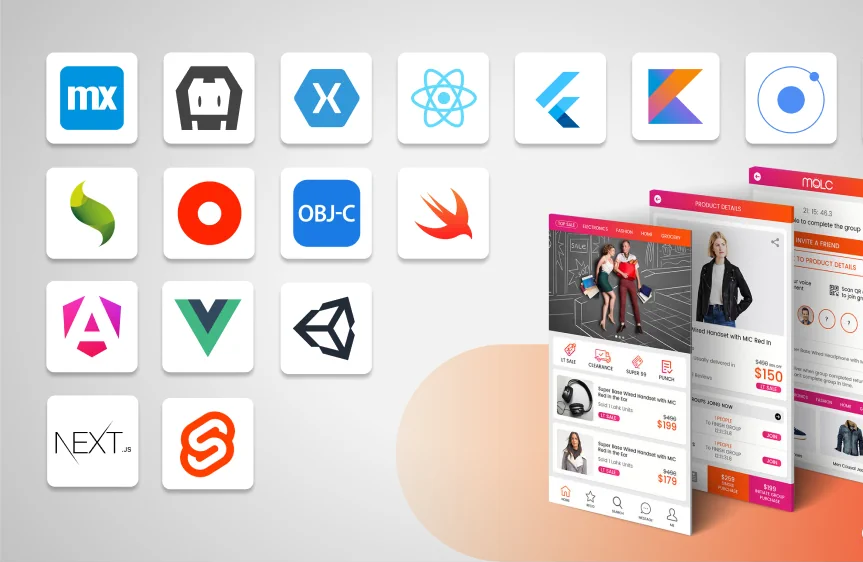
If you want to protect your attention span and actually get things done, you have to aggressively simplify your digital environment. Here is how a human-centric approach looks in practice:
| The Bloated App Habit | The Minimalist Pivot | The Psychological Benefit |
|---|---|---|
| Downloading 5 different niche fitness/diet trackers. | Using the native, built-in health app on your phone. | Stops you from gamifying your health into a stressful chore. |
| Having 12 single-purpose apps for every fast-food joint. | Ordering via a mobile web browser or one aggregator. | Clears visual clutter and kills impulse notification triggers. |
| Running three different premium note-taking systems. | One plain text file or a single basic notebook. | Eliminates the decision friction of where to write an idea down. |
AI Integration: Assistant vs. Noise
We are currently living through the “shove AI into everything” phase of software development. Every single app, from your email client to your calculator, suddenly has an AI assistant button.
The genuine human value of AI in software isn’t the hype—it’s clutter reduction. The best AI tools aren’t the ones trying to write your personal emails or draw pictures for you; they are the invisible ones that summarize a messy 50-person group chat into three bullet points, or automatically categorize your receipts so you don’t have to manually type numbers into a spreadsheet on a Sunday night.
The Takeaway: Own Your Tools, Don’t Let Them Own You
Your phone’s home screen should look like a well-organized workbench, not a crowded flea market. If an application doesn’t actively save you time, bring you genuine joy, or protect your health, it is just digital noise competing for your limited attention span.
Every few months, do a scorched-earth audit. Delete the apps you haven’t used in thirty days, cancel the dormant subscriptions, and turn off 90% of your push notifications. Technology is a phenomenal servant, but it is a horrific master.
FAQs
1. What are apps and software used for?
Apps and software help users perform tasks, improve productivity, and simplify daily activities.
2. How do I choose the right app or software?
Choose tools based on your needs, budget, features, and ease of use.
3. Are free apps and software reliable?
Yes, many free apps offer excellent features and are suitable for everyday use.
4. Can apps and software improve productivity?
Absolutely. They help organize tasks, automate processes, and save time.
5. What is the future of apps and software?
The future includes more AI-powered, cloud-based, and personalized digital solutions.