
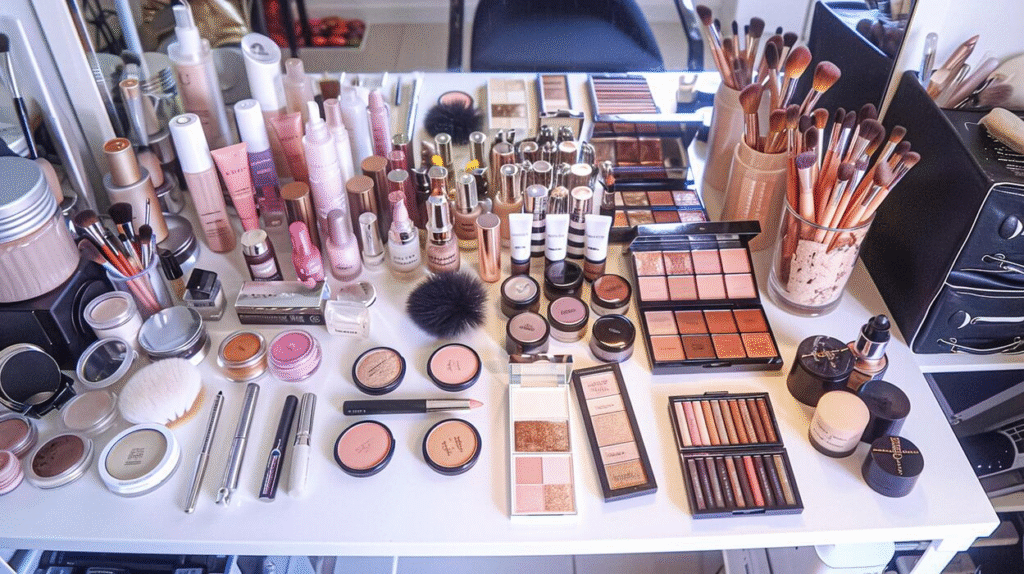
Every single week, the algorithm pushes a new “must-have” Beauty product. One day it’s a rare botanical serum that promises to erase ten years of stress, the next it’s a luxury foundation that claims to make you look airbrushed in real life. We watch influencers with flawless lighting showcase entire glass shelves filled with premium, gold-embossed bottles, and we subconsciously start believing the lie: If it costs more, it must work better.
But here’s the reality check you’ve been waiting for: Your skin does not know how much money is in your bank account.
Your skin cares about molecular formulations, stable active ingredients, and consistency. It couldn’t care less about heavy glass packaging, celebrity endorsements, or fancy French names that are impossible to pronounce. Some of the most brilliant, game-changing beauty products on the market right now cost less than a casual takeout lunch.
If you are tired of burning cash on luxury hype, let’s talk about how to build a high-performance routine on a realistic budget.
The High-End Illusion: What Are You Actually Paying For?

When you drop $80 on a high-end moisturizer, you aren’t just paying for the cream inside. You are paying for:
- The multi-million-dollar marketing campaign.
- The supermodel face on the billboard.
- The heavy, luxurious jar that looks pretty on your vanity.
- The prime retail real estate inside a luxury department store.
Behind the scenes, the beauty world has a massive open secret: Many luxury brands and budget-friendly drugstore brands are owned by the exact same parent companies. They literally share the same labs, the same scientists, and the exact same active ingredients. A massive budget brand often uses the trickled-down technology of its luxury sister brand, giving you high-end results for a fraction of the price.
Skincare Doesn’t Need to Be a 12-Step Chore
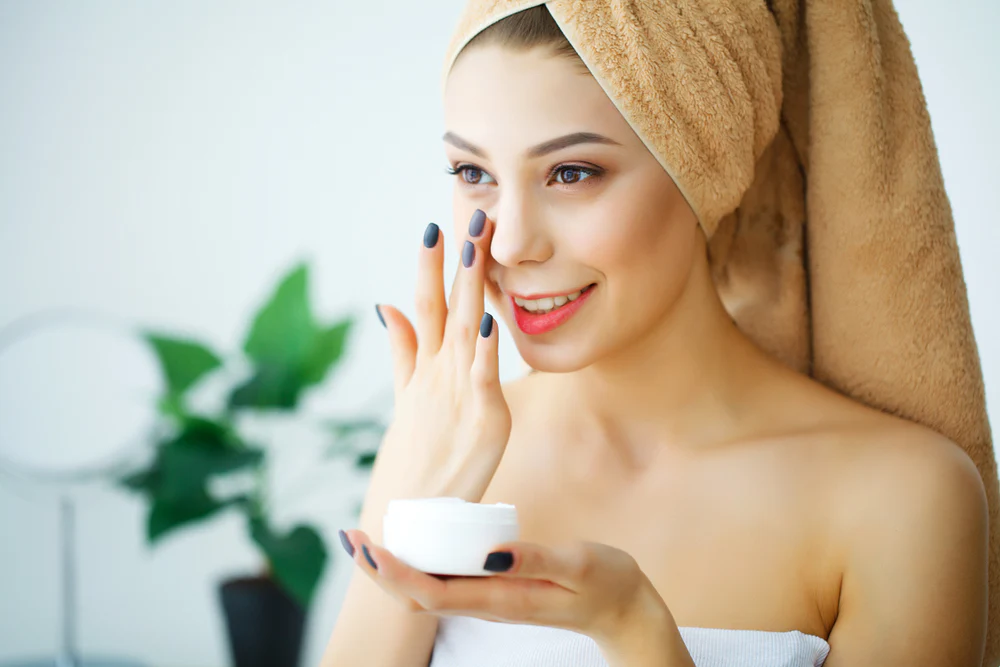
The internet has convinced people that they need a 12-step skincare routine just to go to bed. Not only is this incredibly expensive, but it’s also a fast track to ruining your skin barrier. Layering ten different active serums usually leads to breakouts, redness, and irritation.
When you strip away the marketing fluff, your skin only fundamentally needs three things:
$$\text{A Gentle Cleanser} + \text{A Solid Moisturizer} + \text{Daily Sunscreen (SPF)}$$
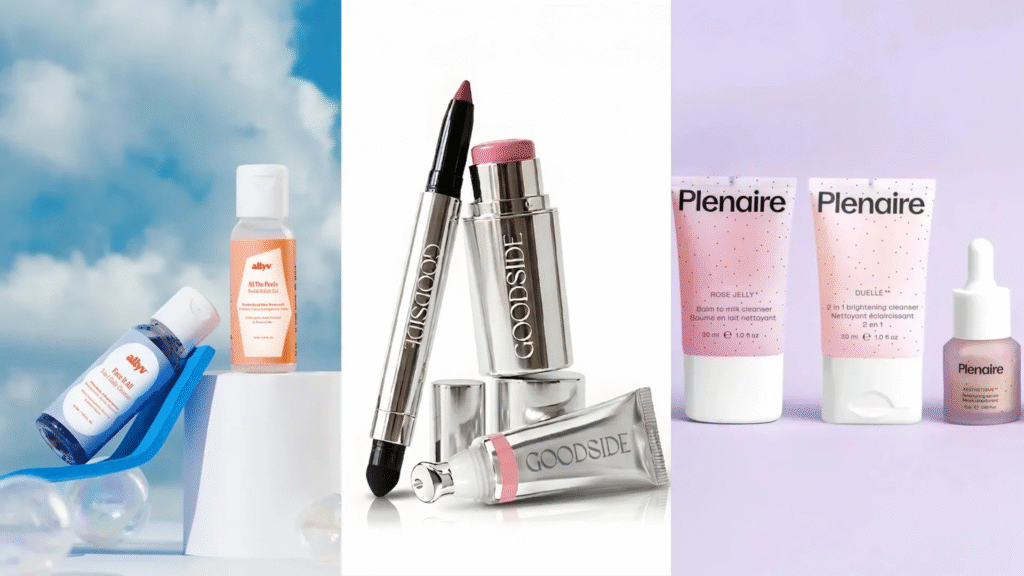
- The Cleanser: Its only job is to remove dirt and makeup without stripping your face dry. A budget hydrator from the drugstore does this perfectly. You don’t need active anti-aging ingredients in a cleanser—you’re literally washing it down the drain in 30 seconds.
- The Moisturizer: Look for ingredients like ceramides, hyaluronic acid, and glycerin. Affordable brands have completely mastered these base formulations.
- The SPF: The absolute best anti-aging product on the planet is sunscreen. The expensive stuff makes you skimp on application because you’re worried about running out. A cheap, lightweight sunscreen allows you to apply the generous amount your skin actually needs to stay protected.
The Drugstore Makeup Revolution
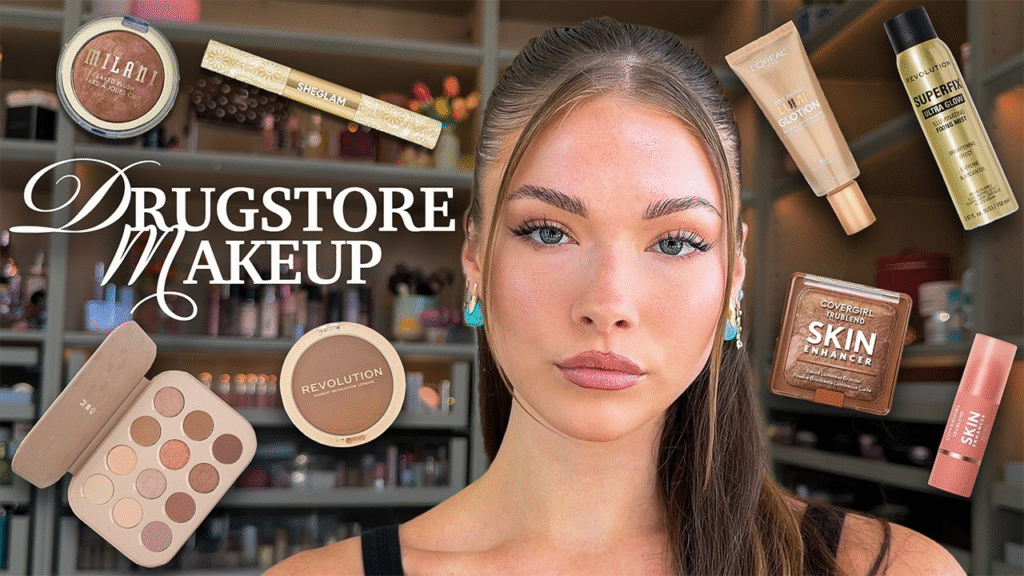
If you haven’t browsed the cosmetics aisle of a regular drugstore lately, you are missing out. Over the last decade, budget makeup has evolved completely.
The gap between luxury and budget cosmetics has practically vanished. Affordable brands are now producing foundations that melt seamlessly into the skin, mascaras that give you insane length without clumping, and cream blushes that blend beautifully without lifting your base.
Many professional makeup artists keep their kits heavily stocked with budget-friendly finds because, under studio lights or out in the sun, a good blending technique matters infinitely more than a luxury logo.
Read the Label, Ignore the Hype
If you want to become an elite beauty shopper, stop looking at the front of the bottle and start reading the back. You want to look for proven, hard-working ingredients rather than trendy buzzwords.
| Ingredient | What It Actually Does | Budget Status |
| Retinol | Speeds up cell turnover, smooths fine lines. | Readily available in fantastic, stable budget formulas. |
| Niacinamide | Controls excess oil, calms redness, minimizes pores. | Incredibly cheap to produce; no need to pay luxury prices. |
| Salicylic Acid | Dives deep into pores to clear out blackheads and acne. | Standard, highly effective drugstore staple. |
| Hyaluronic Acid | Plumps the skin by pulling moisture into the surface. | Easily found in affordable, lightweight serums. |
How to Stop Wasting Money on Ghost Trends

The easiest way to save your skin and your wallet is to adopt a minimalist mindset. Find a few solid, reliable products that your skin genuinely loves, and stick to them for at least six to eight weeks. Skin takes time to change; constantly switching products because of a TikTok trend just confuses your skin barrier and drains your wallet.
At the end of the day, glowy skin and healthy hair don’t come from a price tag—they come from consistent, healthy daily habits. Sleep, hydration, a balanced diet, and a simple, budget-friendly routine will out-perform an overpriced luxury cream every single time.
Beauty trends move faster than the fashion cycles. One minute we’re trying to achieve “glass skin,” the next it’s “skin
What’s the one “holy grail” budget product in your bathroom that you’ll never swap for a luxury alternative?
FAQs
1. Are affordable beauty products effective?
Yes, many affordable beauty products deliver excellent results with quality ingredients.
2. How do I choose the right beauty products?
Choose products based on your skin type, hair type, and specific beauty needs.
3. Can drugstore beauty products be as good as luxury brands?
Yes, many drugstore products perform just as well as high-end beauty brands.
4. How long does it take to see skincare results?
Most skincare products show noticeable results after several weeks of consistent use.
5. What is the key to a successful beauty routine?
Consistency, choosing suitable products, and maintaining healthy skincare habits are the keys to lasting results.