
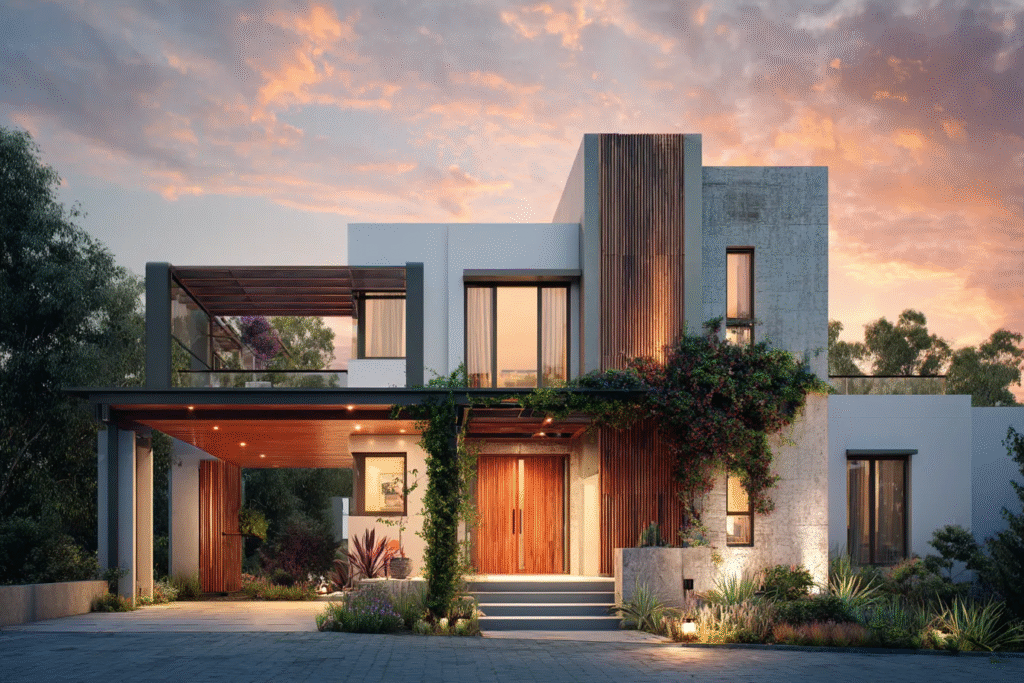
A home has never been just four walls and a roof. It’s where our days begin and end, where quiet moments happen, and where the story of our lives actually plays out. How a space looks and feels directly shapes our mood, our energy, and how easily we relax at the end of the day. Modern design has earned its place in so many houses simply because it cuts through the visual noise—offering spaces that feel open, peaceful, and wonderfully easy to live in.
Unlike trends that demand constant updating, modern interior design focuses on the fundamentals: uncluttered spaces, clean lines, natural light, and real functionality. Every sofa, light fixture, and rug is chosen with a clear purpose. The goal isn’t to leave rooms sparse or cold, but to create a natural balance where your home feels organized, welcoming, and deeply comfortable.
What makes this approach so versatile is that it works anywhere—whether you’re settling into a suburban house, a compact city apartment, or a cozy studio. You don’t need a huge budget or an interior designer to make a real difference. More often than not, thoughtful planning, clever storage, and dropping the clutter make a far bigger impact than expensive renovations ever could.
Start with a Calm, Natural Palette
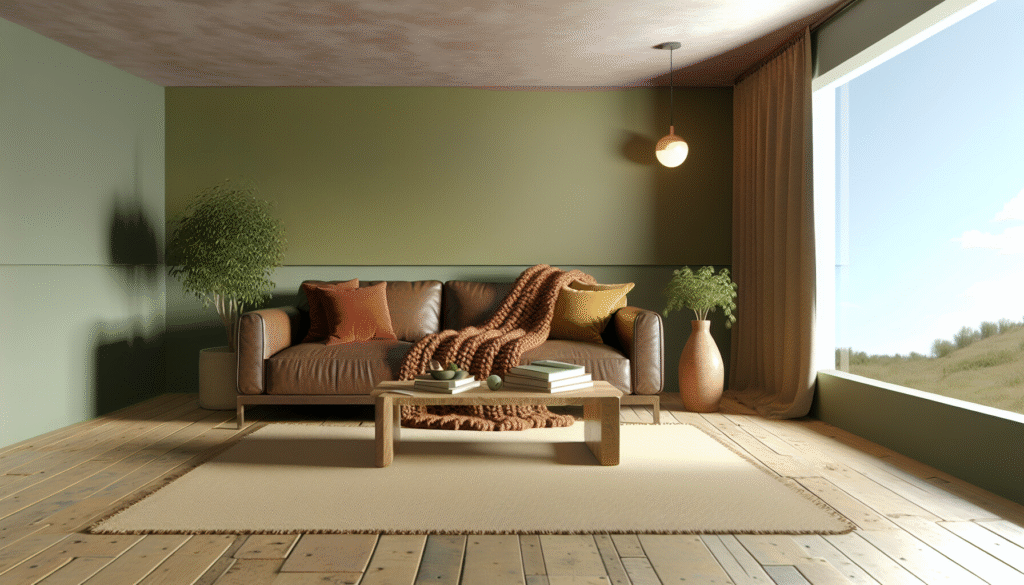
Color sets the emotional tone the second you step through the front door. Modern interiors rely heavily on understated, neutral tones because they naturally amplify light and give your eyes a place to rest.
Base shades like warm white, cream, soft beige, or pale gray make rooms feel spacious and airy. But neutral walls don’t have to feel sterile—they create an ideal backdrop that lets artwork, wooden furniture, and rich textiles stand out naturally. A few deliberate pops of color—think an earthy terracotta vase, deep forest green cushions, or a mustard yellow throw blanket—add character without overwhelming the room. Keeping a consistent color family flowing through adjacent rooms also helps the whole home feel connected.
Let the Sunlight In
Nothing lifts a room quite like natural light. Sunlight opens up dark corners, highlights natural textures, and makes a home feel genuinely alive.
Architectural features like sliding glass doors, skylights, and open layouts allow sunlight to filter deep into a floor plan. If changing windows isn’t an option, simple tweaks can work wonders:
- Swap out heavy, dark drapes for sheer, lightweight curtains that filter harsh rays while letting daylight pour through.
- Place a large mirror directly across from a window to bounce light into darker hallways or corners.
- Incorporate furniture with glass tops or slender metal legs so light moves underneath and through the room unobstructed.
The Power of Open, Purposeful Spaces
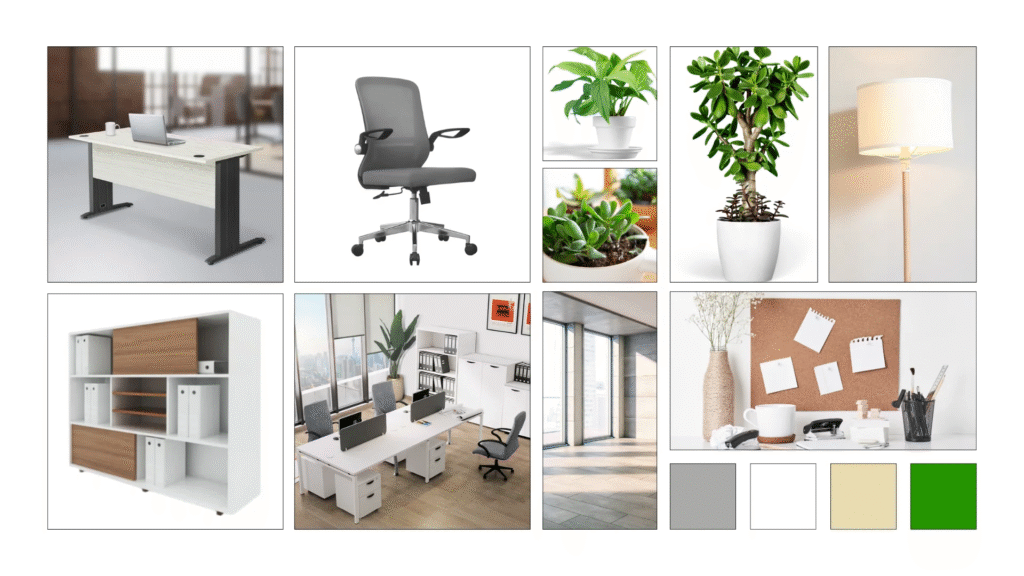
Open-plan living continues to be a staple of modern home design, and for good reason. Knocking down unnecessary visual barriers between the kitchen, dining, and living areas creates a shared social core where family life happens naturally.
In an open layout, furniture placement does the heavy lifting. Instead of building walls, use low-profile sofas, large area rugs, or open wooden shelving to define separate zones. This keeps the home feeling expansive while ensuring each space has a clear, functional purpose.
Furniture That Works as Hard as It Looks
Modern furniture strikes a careful balance between sleek silhouettes and everyday comfort. Instead of cramming a room with decorative side tables and extra chairs, focus on picking a few high-quality, comfortable staples that genuinely serve your routine.
A deep, supportive sofa, a solid dining table, and built-in storage form the backbone of a functional house. For smaller footprints, multifunctional furniture is a game changer—think lift-top coffee tables with hidden compartments, modular shelving systems, or extendable dining tables that adapt when friends come over. Investing in timeless, well-made staples always pays off over chasing fast-furniture trends that wear out after a season or two.
Tame the Clutter with Smart Storage
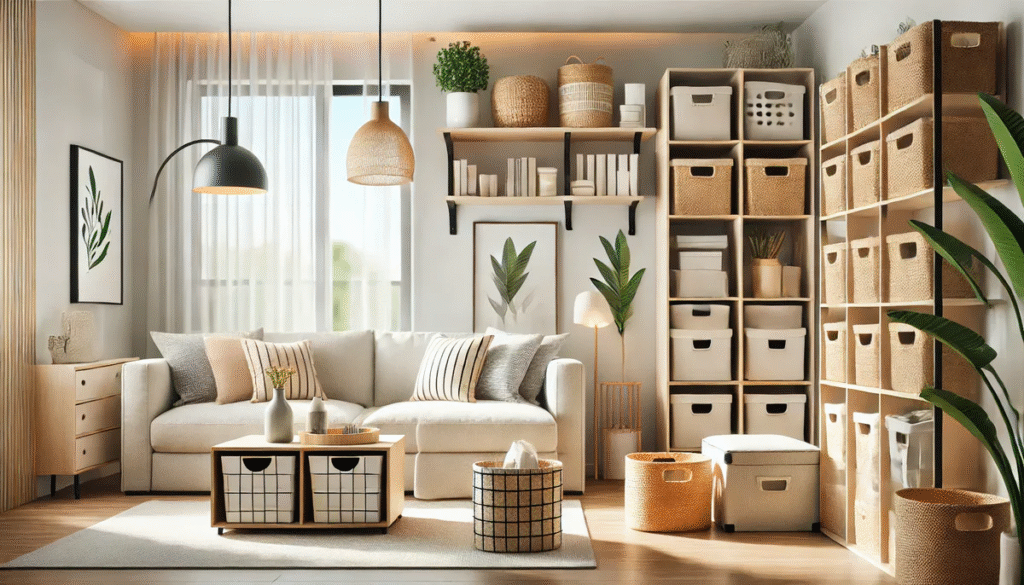
Even the most thoughtfully designed room loses its calm if clutter starts taking over flat surfaces. Storage in a modern home should be simple and mostly invisible.
- Built-in Cabinetry: Floor-to-ceiling cupboards painted the same color as your walls blend in seamlessly while offering massive storage capacity.
- Floating Shelves: Perfect for displaying a handful of meaningful books or ceramics without taking up precious floor area.
- Decluttering Routine: A clean room isn’t just about hiding things away—it’s about keeping what you actually use and love. Getting rid of unnecessary knick-knacks creates an instant sense of relief.
Bring the Outdoors Inside
Natural materials bring soul and warmth to clean, modern lines. Houseplants are one of the most effective ways to soften a room while bringing fresh energy indoors.
A tall leafy plant like a fiddle-leaf fig, monstera, or snake plant makes a stunning focal point in a sunny corner. Complement your greenery with organic textures—warm oak or walnut furniture, linen pillow covers, jute rugs, and ceramic stoneware. This blend of organic textures alongside crisp, modern architecture creates a home that feels warm and lived-in rather than like a sterile showroom.
Make the Kitchen the Heart of the Home
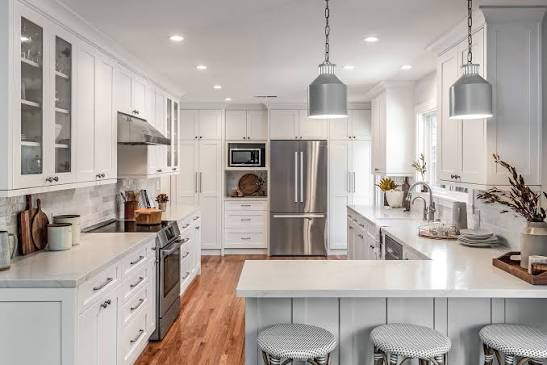
Modern kitchens focus on clean lines and effortless cleanup. Flat-panel cabinet doors, hidden appliance bays, and seamless quartz countertops keep visual clutter off the decks.
A central island often acts as the anchor, giving you prep space on one side and a cozy spot for barstools on the other.
The kitchen has evolved far beyond a place to cook meals; it’s where friends gather during a party, where kids do homework, and where morning coffee happens.
Create a Sanctuary in the Bedroom
Your bedroom should be the ultimate retreat—a quiet, low-stimulation space dedicated entirely to rest and recovery.
- Muted Color Tones: Stick to soft creams, muted greens, or gentle grays to encourage sleep.
- Layered Bedding: Combine crisp cotton or washed linen sheets with a textured waffle-knit quilt to add cozy depth without needing excessive throw pillows.
- Low Lighting: Ditch bright overhead lights in the evening for warm, dimmable bedside lamps or wall sconces to signal to your body that it’s time to wind down.
- Tech-Free Zones: Keeping screens off the nightstands helps preserve the room as a quiet sanctuary.
Layer Your Lighting for Mood and Purpose
Ambient Light: Recessed ceiling fixtures or large central pendants that illuminate the entire room softly.
Task Light: Directed lamps right where you need them—under-cabinet strips in the kitchen, a adjustable desk lamp, or a reading light next to an armchair.
Accent Light: Warm LED strips tucked behind headboards, floating vanities, or inside bookshelves to add subtle depth and warmth once the sun goes down.
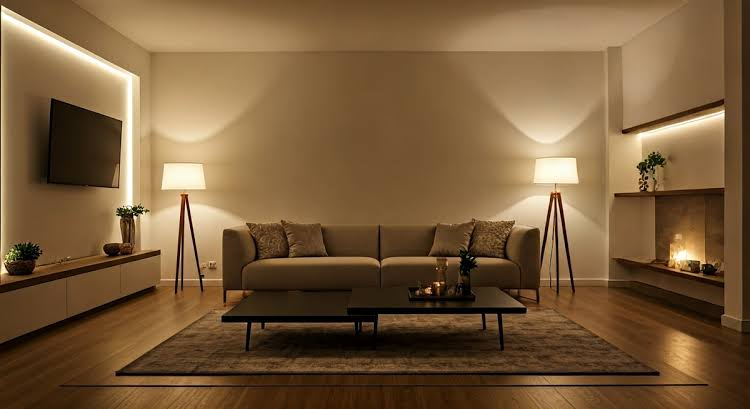
Relying on a single overhead light fixture often leaves a room feeling flat and clinical. Modern spaces use layered lighting to adapt to different times of day and activities.
Thoughtful Details over Endless Decoration
A modern home should still feel distinctly like you. The trick is displaying personal treasures intentionally rather than scattering them over every open surface.
Instead of a gallery wall packed with dozens of small frames, pick three large, meaningful photographs or a bold canvas. Group travel souvenirs or handcrafted pottery in small clusters of three on a single shelf. When your favorite objects have room to breathe, they carry far more emotional weight and visual beauty.
Sustainable Living Built to Last
Modern design naturally leans into sustainability. Making conscious choices about what we bring into our spaces is good for both the planet and our long-term comfort.
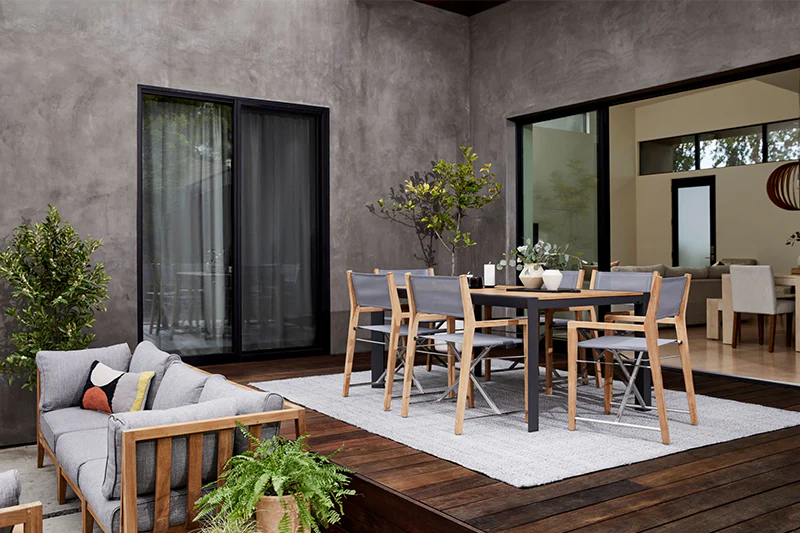
Opting for energy-efficient LED lighting, low-VOC paints that preserve indoor air quality, water-saving fixtures, and furniture made from sustainably harvested timber are simple ways to build a healthier home. Investing in timeless, well-constructed pieces means you won’t be sending worn-out furniture to a landfill a few years down the line. Real luxury is simply having a space that feels good to live in, works effortlessly, and welcomes you home every single day.
FAQ’S
1. What is modern home design?
Modern home design focuses on clean lines, simple décor, functional spaces, and a clutter-free environment.
2. How can I make my home look more modern?
Use neutral colors, maximize natural light, choose minimalist furniture, and keep your space organized.
3. What colors are best for a modern home?
White, beige, gray, cream, and soft earth tones are popular choices for a modern and timeless look.
4. Are indoor plants good for modern home décor?
Yes, indoor plants add freshness, improve air quality, and bring a natural touch to modern interiors.
5. Can I achieve a modern home design on a budget?
Yes, simple updates like repainting walls, decluttering, improving lighting, and adding stylish décor can create a modern look without spending a lot.