
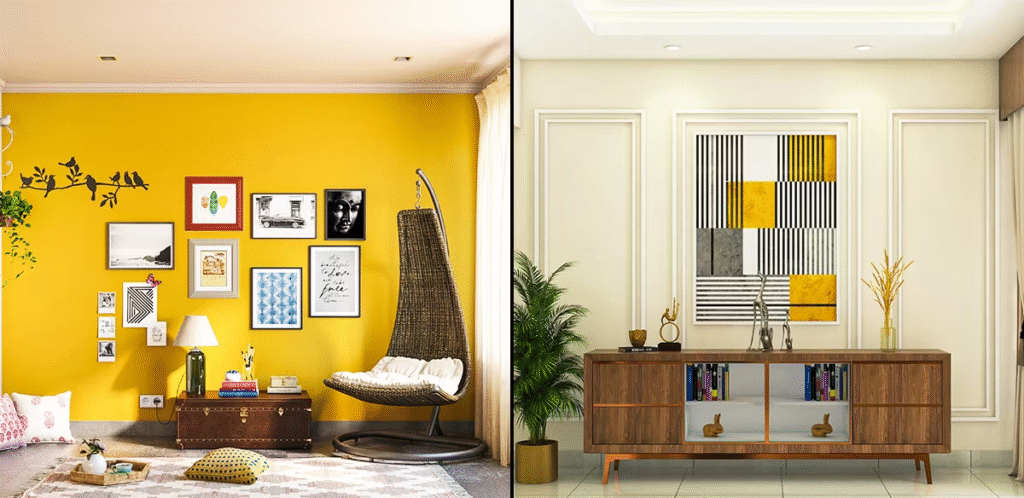
We’ve all walked into a house that felt less like a home Decor and more like a sterile showroom—everything is technically in the right place, but it lacks soul. On the flip side, we’ve all experienced those spaces that instantly wrap you in a warm hug the second you cross the threshold.
Your home is the backdrop of your life. It’s where you brew your morning coffee, decompress after an exhausting day, argue over board games, and host lazy Sunday brunches. Because of this, decorating shouldn’t be about chasing fleeting trends or copying carbon-copy layouts from social media. It is about creating a functional, highly personal sanctuary that actually works for the way you live.
Here is a deep, room-by-room guide to transforming your space into a place that feels deeply authentic, incredibly functional, and uniquely yours.
Establishing Your Foundation: Core Principles of Living Well
Before you buy a single throw pillow or paint swatch, you need a game plan. Trying to decorate a whole house without a guiding philosophy is a fast track to a mismatched, overwhelming mess.
Find Your Comfort Zone (Not Just a Trend)
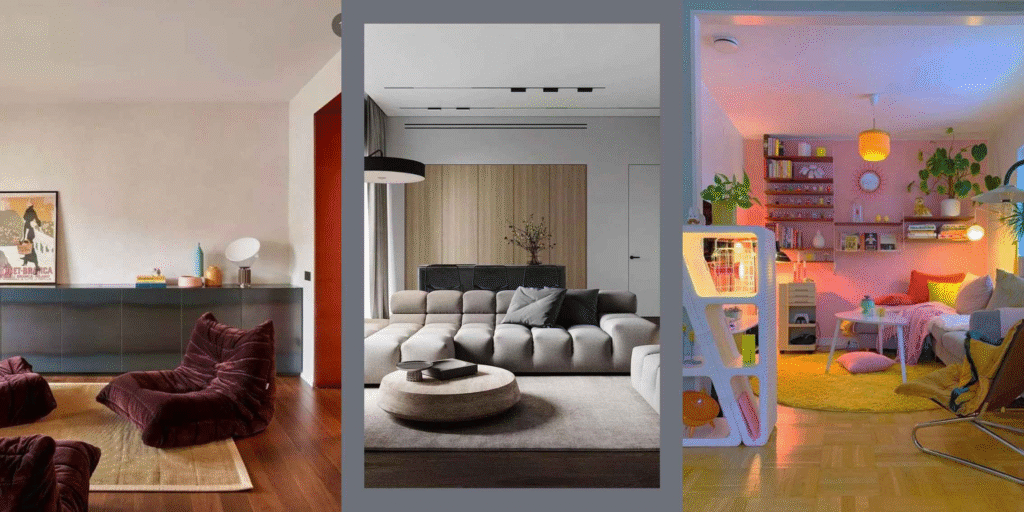
Forget the rigid design labels. You don’t have to choose between being strictly “Minimalist” or “Industrial.” Most beautiful homes are a blend.
- The Vibe Check: Instead of asking “What style is this?” ask “How do I want to feel in this room?” If you want to feel energized, you might lean toward crisp whites and bold art. If you want to feel grounded, you’ll want earthy tones, raw wood, and cozy textiles.
- The Thread of Continuity: To make your home flow naturally, choose a small palette of 3 to 4 colors and 2 to 3 wood tones, and repeat them subtly throughout different rooms. This acts as a visual anchor so the transition from the living room to the hallway doesn’t feel jarring.
Texture is Your Secret Weapon
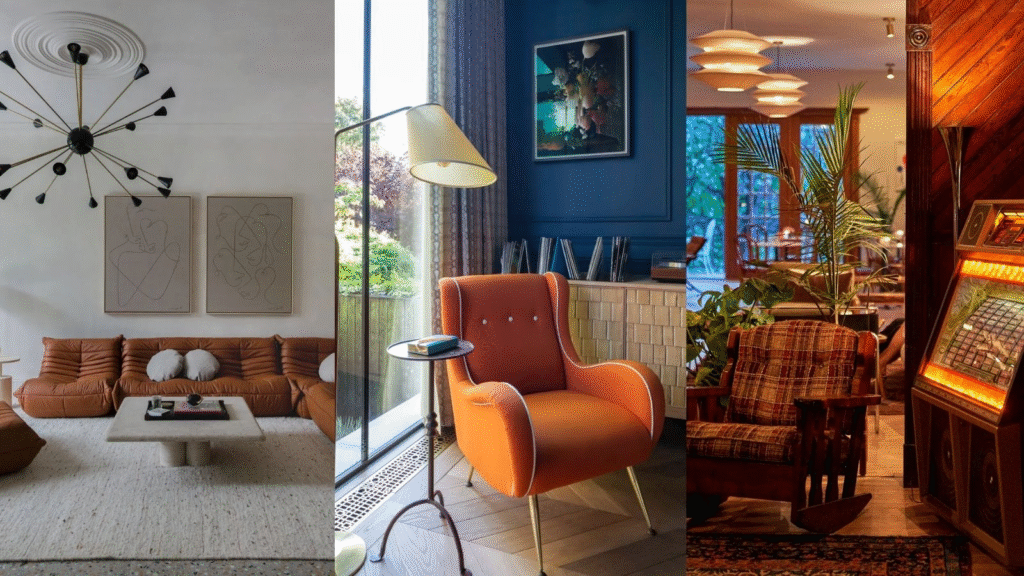
When a room feels flat or “off,” but you can’t figure out why, it’s almost always a lack of texture. If every surface in your living room is smooth—think leather sofa, glass coffee table, and drywall—the space will feel cold.
- Mix your materials: Pair a sleek metal accent chair with a chunky knit throw blanket.
- Contrast is key: Place a matte ceramic vase on a polished wooden console table. Layering fibers, woods, metals, and textiles creates visual weight and makes a room feel rich and lived-in, even if the color palette is completely neutral.
Room-by-Room: Designing with Intention
1. The Entryway: Designing the “Deep Breath”
The entryway is the transition zone. It’s where you shed the stress of the outside world and step into your private sanctuary. If the first thing you see when you open the door is a mountain of shoes and a chaotic pile of mail, your nervous system immediately goes on alert.
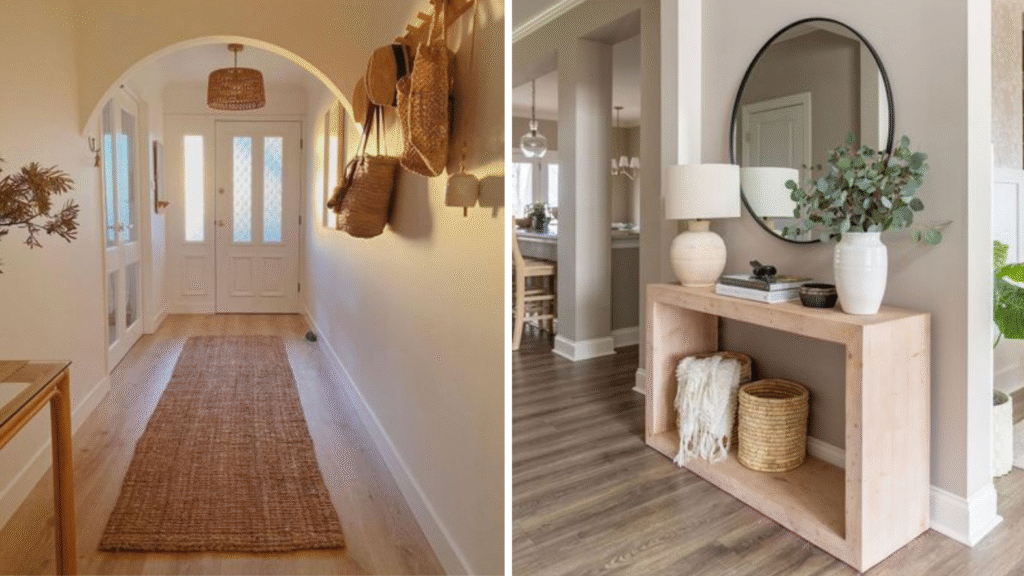
- The Landing Pad: Every entryway needs a drop zone. A slim console table, a sturdy bench, or even a simple row of high-quality wall hooks can work wonders.
- Smart Concealment: Use woven baskets under a bench to hide shoes, dog leashes, and umbrellas. Dedicate a small, beautiful ceramic bowl on your console table exclusively for keys and wallets.
- The Greeting: Hang a mirror above your console. Not only is it practical for a quick check before you walk out the door, but it also bounces natural light around, making tight hallways feel instantly wider and brighter.
2. The Living Room: The Heart of Socialization & Solitude
The living room has to wear a lot of hats. It needs to be cozy enough for a solo movie night, yet open and conversational enough for hosting friends.
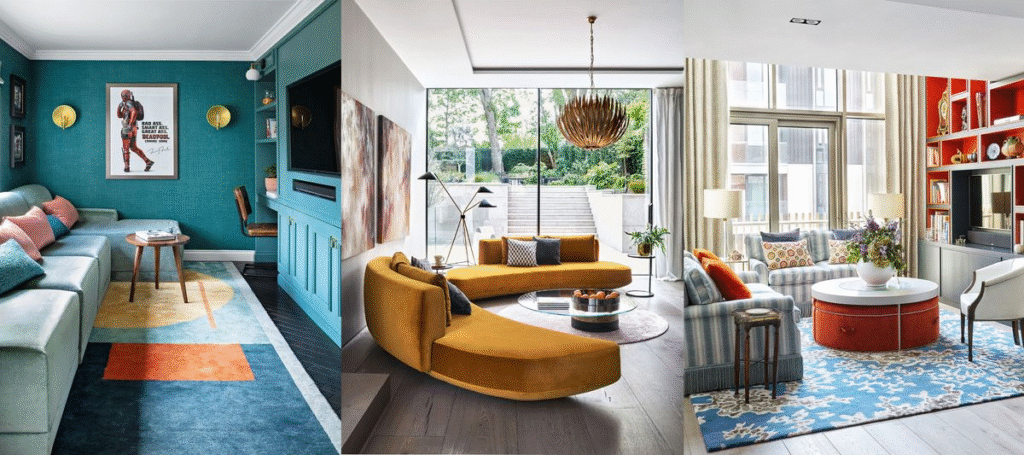
- Anchor the Space: Start with the rug. A common mistake is buying a rug that is too small, which makes the furniture look like it’s floating on a raft. Ideally, all your main furniture legs—or at least the front legs—should sit comfortably on the rug to anchor the seating zone.
- Create Conversation Circles: Push your furniture away from the walls. Pulling your sofa and chairs closer together creates an intimate, inviting layout that naturally encourages conversation rather than directing everyone’s eyes solely at the television.
- Lighting in Layers: Never rely on a single harsh overhead light. Instead, aim for a mix of task and ambient lighting:
- A tall arc floor lamp over the reading chair.
- Warm table lamps on side tables at eye level.
- Sconces to softly illuminate dark corners.
3. The Bedroom: Crafting a True Sensory Retreat
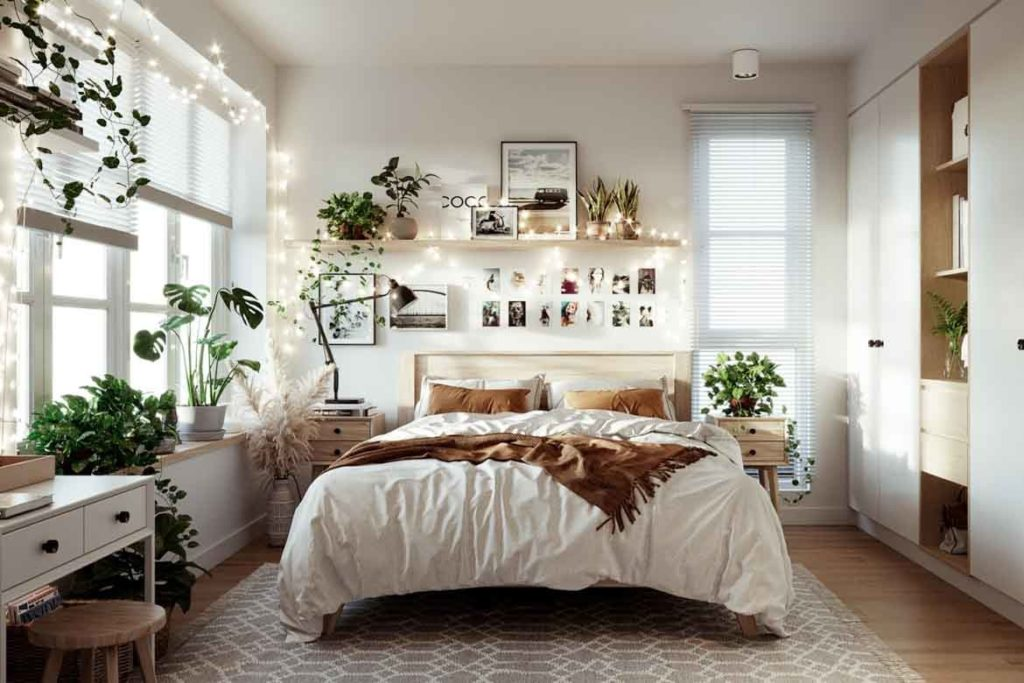
Your bedroom shouldn’t just be a place where you sleep; it should be a sanctuary that signals to your brain that it is safe to turn off. Keep this space as quiet—visually and literally—as possible.
- Tactile Comfort: Invest in the things that touch your skin. Soft linen or breathable cotton sheets, a lightweight quilt, and a plush duvet layer look beautiful when messy, meaning you don’t have to worry about making a “picture-perfect” bed every morning.
- Declutter the Sleep Zone: Keep your nightstands as bare as possible. A lamp, a book, and maybe a carafe of water are all you need. Use nightstands with drawers to hide charging cables, lotion, and daily clutter out of sight.
- A Soft Landing: If you have hard floors, make sure you have a soft, plush rug right where your feet hit the floor in the morning. Starting your day by stepping onto a warm, cozy surface sets a completely different tone than stepping onto ice-cold wood or tile.
4. The Kitchen & Dining Area: Blending Utility with Soul
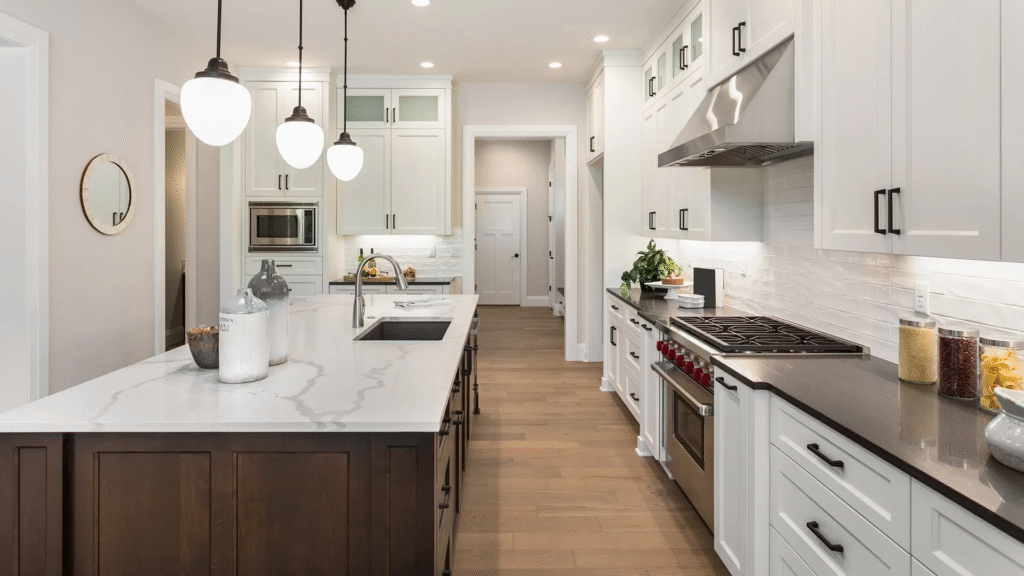
Kitchens are highly functional work zones, but they are also where everyone inevitably gathers during a dinner party. The goal here is to soften the hard, cold surfaces of appliances and stone countertops.
- Warm up the Cold Zones: Bring warmth into the kitchen with organic materials. Lean a couple of beautiful, well-used wooden cutting boards against the backsplash. Use a stoneware crock to hold your wooden spoons and stainless steel utensils.
- Curated Open Shelving: If you have open shelves, don’t try to make them look like a museum. Stack your everyday plates and bowls there. It’s practical because they are easy to grab, and it keeps the shelves looking authentic and alive rather than staged.
- The Living Dining Table: A dining table shouldn’t feel off-limits. Skip the stiff, overly formal centerpieces. Instead, use a simple low bowl filled with seasonal fruit (like green apples or artichokes), or a single branch of eucalyptus in a glass jar. It feels effortless, fresh, and doesn’t block your view of the person sitting across from you.
5. The Home Office: Stimulating Focus & Calm
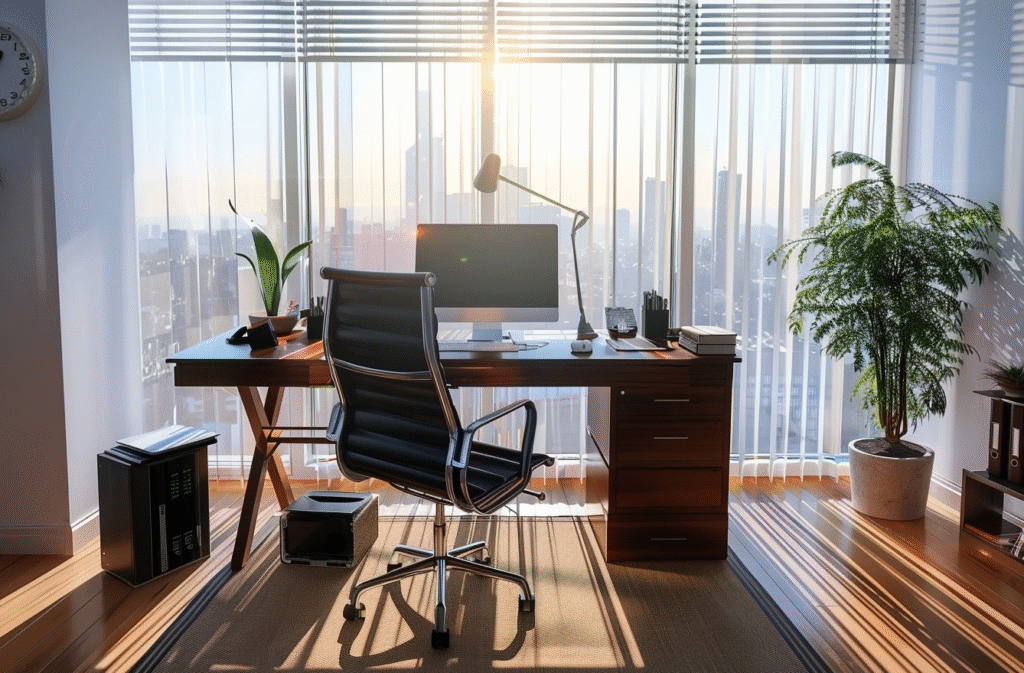
Whether you work from home full-time or just need a space to pay bills, your workspace should inspire focus without feeling clinical or sterile.
- Ergonomics First, Style Second: Do not sacrifice your back for a trendy chair. Buy a highly supportive, adjustable chair, and style the rest of the room around it.
- Conquer the Cable Chaos: Visible tangled cords are an instant source of visual anxiety. Use under-desk cable trays, split sleeves, or adhesive clips to route cords cleanly down desk legs and out of sight.
- The Power of Greenery: Place a low-maintenance plant, like a pothos or a snake plant, within your direct line of sight. Studies consistently show that looking at nature—even a small indoor plant—lowers heart rates and reduces work-related stress.
6. The Bathroom: Creating a Mini-Spa Experience
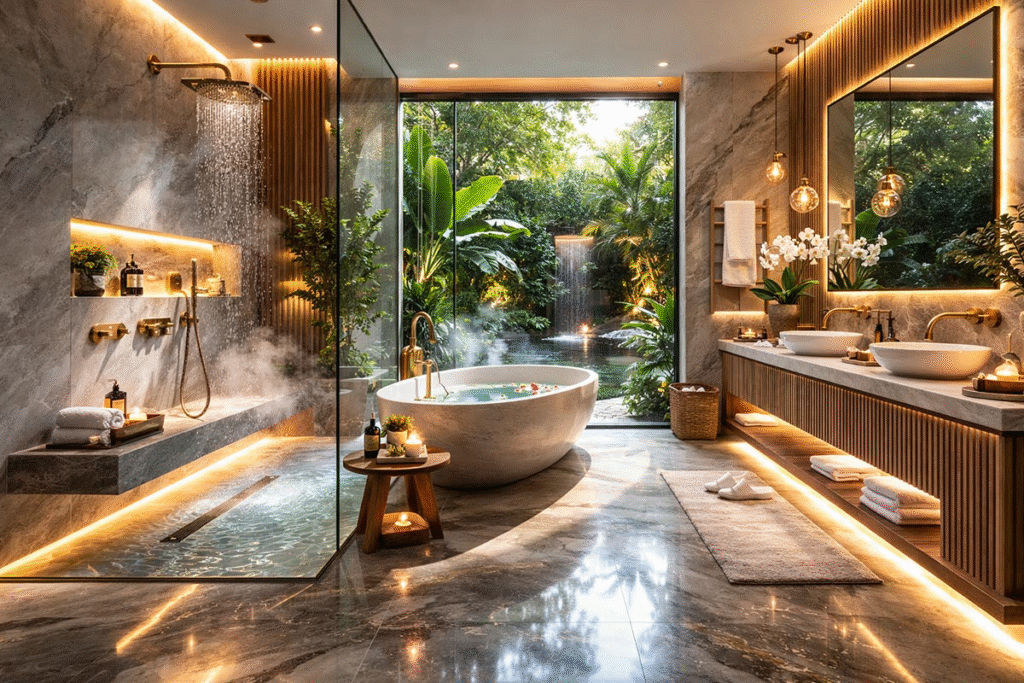
You don’t need a massive, deep-soaking tub to make your bathroom feel like a luxury hotel. A few thoughtful sensory details can completely elevate your daily routine.
- Elevate the Everyday Essentials: Pour your daily hand soap and lotion into matching amber glass or ceramic pump dispensers. It takes ten seconds, but it instantly eliminates the visual clutter of mismatched plastic branding.
- Incorporate Organic Elements: Bathrooms can feel very clinical due to all the porcelain and tile. Introduce a small wooden stool next to the shower, hang a bundle of fresh eucalyptus from your shower head (the steam releases the essential oils), or place a small woven basket on the shelf to hold extra hand towels.
- Soft, Coordinated Linens: Ditch the mismatched, threadbare towels you’ve had since college. Invest in a set of plush, thick towels in a cohesive, calming shade like sage green, warm sand, or classic bright white.
Simple Ways to Bring Your Space to Life
| Element | The “Before” (Stiff/Impersonal) | The “After” (Warm/Lived-In) |
|---|---|---|
| Plants | Faux, plastic plants gathering dust | A mix of real, hardy plants (Pothos, Monstera, ZZ plants) |
| Books | Staged coffee table books bought purely for the color | Stacks of beloved novels, art books, and travel guides |
| Art | Mass-produced canvas prints of generic cityscapes | Framed personal photos, concert tickets, or local art |
| Lighting | One bright, cool-toned overhead bulb | Multiple warm-toned lamps (2700K) placed at different heights |
The Golden Rule: Let Your Home Evolve Slowly
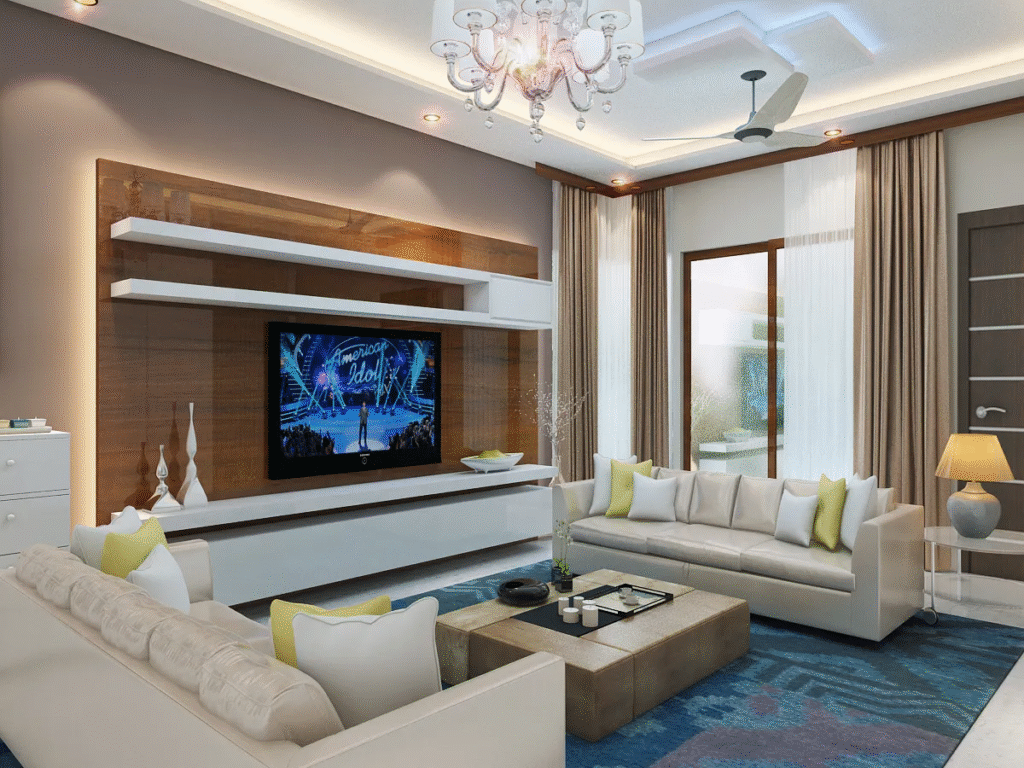
The biggest mistake people make is trying to decorate an entire home in a single weekend. When you rush to buy everything at once, you end up with a space that looks like a catalog page rather than a reflection of your life.
Let your home grow with you. Buy that quirky vintage chair because you fell in love with it at a flea market, not because it perfectly matches your sofa. Hang up art that actually means something to you—even if it’s just a framed map of a city you visited on a favorite trip.
The most beautiful homes aren’t perfect; they are personal, comfortable, and filled with the things, colors, and people that bring you joy. Turn off the design rules, listen to how you actually use your space, and build a home that works beautifully for you.
FAQ’S
1. How can I decorate my home without spending a lot of money?
Use affordable decor like plants, cushions, wall art, and rearrange existing furniture for a fresh look.
2. Which room should I decorate first?
Start with the living room, as it is the main gathering space and creates the first impression of your home.
3. How can I make a small room look bigger?
Use light colors, mirrors, smart storage, and minimal furniture to create a spacious feel.
4. Are indoor plants good for home decor?
Yes, indoor plants add freshness, improve the ambiance, and complement almost any decorating style.
5. How often should I update my home decor?
Small seasonal updates or refreshing your decor every 6–12 months can keep your home feeling stylish and inviting.