
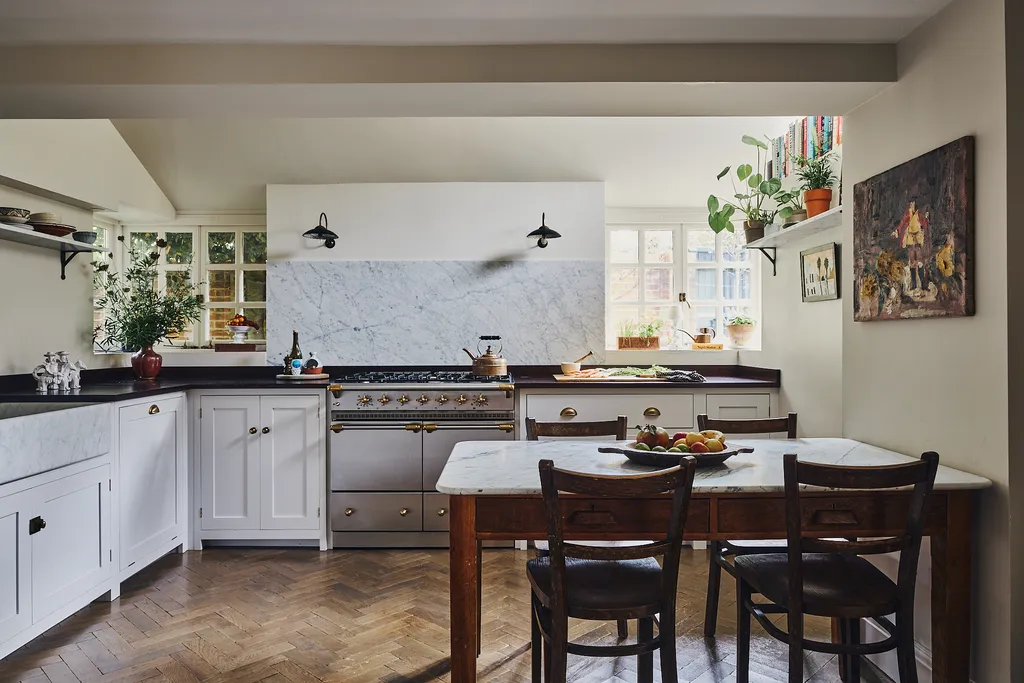
There is a distinct, quiet magic that happens when you step into a home Décor that simply feels right. It’s not about perfection, nor is it about imitating a crisp, sterile page from a high-end design catalog. It’s that immediate sense of ease when you drop your keys on a wooden entry console, the cozy invitation of a worn linen armchair bathed in soft afternoon light, or the simple joy of brewing morning coffee in an uncluttered, welcoming kitchen.
Our homes are the backdrop to our daily lives. They host our quietest mornings, our busiest weeknights, and the spontaneous gatherings that become cherished memories. Yet, in an era of rapid design trends where social media feeds urge us to completely overhaul our interiors every season, it’s easy to feel overwhelmed. We end up accumulating cheap plastic knick-knacks and decorative filler that clutter our surfaces without adding real value to our lives.
The truth is, crafting a beautiful home doesn’t require a massive budget, a team of contractors, or an endless shopping cart. Real interior beauty is born from intentionality, tactile quality, and practical functionality.
By focusing on a few core design principles—embracing natural textures, decluttering thoughtfully, choosing meaningful objects, and prioritizing lighting—you can transform your space into an inviting sanctuary that supports your daily routines and reflects who you truly are.
1. Anchoring Your Space in an Earth-Toned Neutral Palette
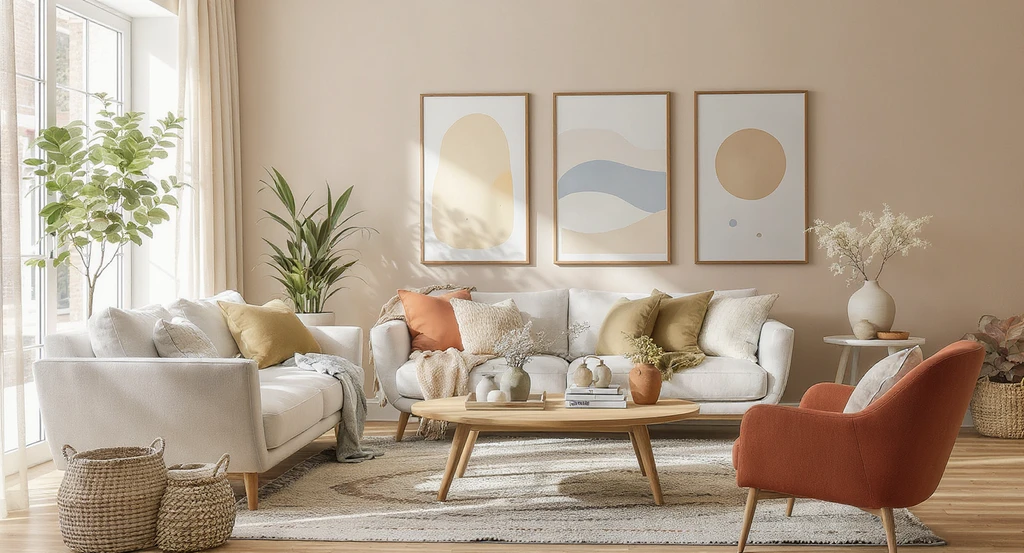
When people hear “neutral color palette,” they often picture stark, cold white rooms that feel more like a doctor’s waiting room than a cozy home. But true, modern neutrals are rich, warm, and deeply comforting.
Think of shades inspired by the natural landscape: creamy oatmeals, warm taupes, soft terracottas, muted olive greens, and deep charcoal grays. These hues reflect light softly and create an immediate sense of visual calm.
The Power of Textural Layering
When you work with a grounded neutral base, texture becomes your best friend. A monochrome room can feel incredibly rich and dynamic if you layer varying tactile materials:
- In the Living Room: Pair a simple stone-colored sofa with a chunky knit wool throw, slubby linen curtains that gently pool on the floor, and a distressed wooden coffee table.
- In the Kitchen: Balance flat-panel cream cabinets with an unpolished limestone backsplash, a raw timber cutting board, and unlacquered brass hardware that develops a soft patina over time.
Because these tones don’t fight for attention, your eyes can rest comfortably. A neutral backdrop also means you can swap in small seasonal touches—like a vase of autumn branches or a warm velvet cushion cover in winter—without needing to repaint or replace major furniture pieces.
2. Bringing the Outside In: The Warmth of Natural Elements
There is a psychological reason why we feel so relaxed when walking through a forest or along a quiet coastline: human beings are hardwired to thrive near nature. Introducing organic materials into your interior spaces—often called biophilic design—instantly softens hard edges and breathes life into cold corners.
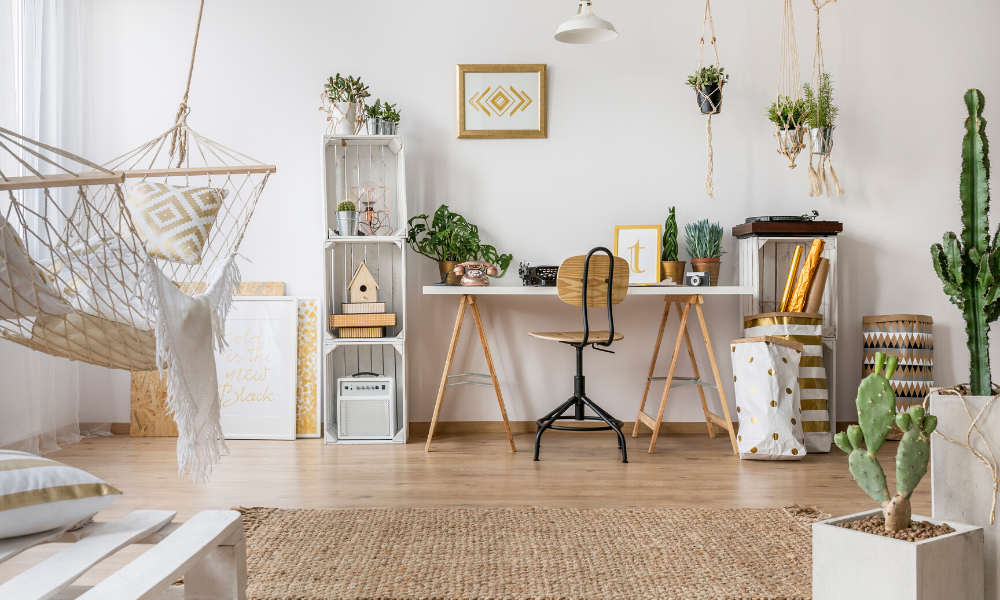
Simple Ways to Invite Nature Indoors
- Unfussy Houseplants: You don’t need a green thumb or a jungle of fussy orchids to make an impact. Hard-to-kill plants like a trailing Golden Pothos on a high kitchen shelf, a sturdy ZZ plant in a dim hallway, or a potted Olive tree near a sunny window add instant movement and energy.
- Raw Timber Accents: Wood brings an irreplaceable grounding quality to a room. Look for vintage wooden stool bowls, hand-carved cutting boards to lean against your kitchen backsplash, or a simple wooden bench in your entryway.
- Fresh, Unstructured Florals: Forget stiff, perfectly arranged florist bouquets. A few leafy branches clipped from your backyard and placed in a simple clay pitcher or clear glass jar look effortless and connect your home directly to the current season.
3. The Functional Kitchen: Balancing Beauty with Daily Utility
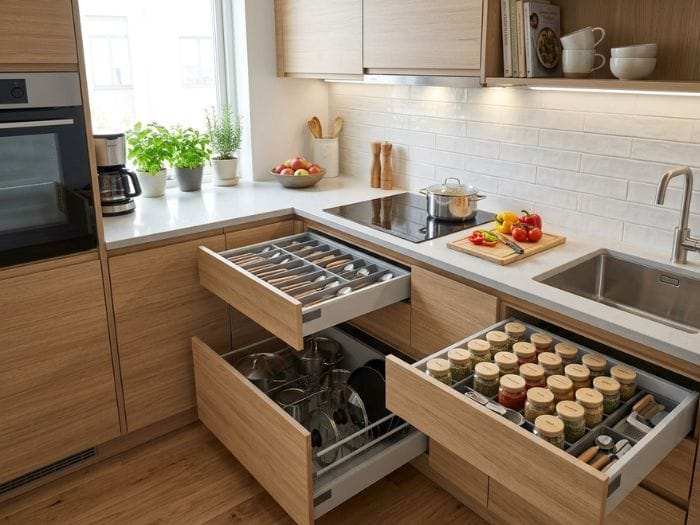
The kitchen is undeniably the high-energy engine of the home. It’s where breakfast prep happens during school rushes, where friends gather around the island during dinner parties, and where late-night snacks are raided. Because it works so hard, a great kitchen must strike a delicate balance between high efficiency and cozy charm.
The fastest way to elevate a kitchen without spending a single dollar is to audit your countertops. Appliances like toaster ovens, bulky blenders, and knife blocks tend to permanently park on counters, creating visual noise that makes cooking feel chaotic.
Decluttering the Work Surfaces
- The 70/30 Counter Rule: Aim to keep roughly 70% of your total countertop area completely clear. Tuck daily appliances inside lower cabinets or dedicated pantry nooks.
- Curate the Remaining 30%: Fill the remaining space with functional beauty: a marble tray holding a bottle of olive oil and sea salt flakes, a wooden block with your most-used chef’s knife, and a small potted herb.
Creating a Dedicated Coffee or Tea Station
If you start every morning with hot coffee or tea, create an intentional morning ritual zone. Group your kettle or espresso machine on a tray alongside a small ceramic bowl of sugar, your favorite hand-thrown ceramic mugs, and a jar of coffee beans. Turning an everyday task into an intentional mini-station brings a touch of quiet luxury to your morning routine.
4. Decorating with Meaning: Storytelling Through Accessories
A house transforms into a real home when it reflects the lived experience of the people inside it. Mass-produced plastic decor purchased in bulk from big-box stores might fill an empty shelf, but it rarely adds soul or warmth. Instead, approach your decor like a slow, personal museum of your life.
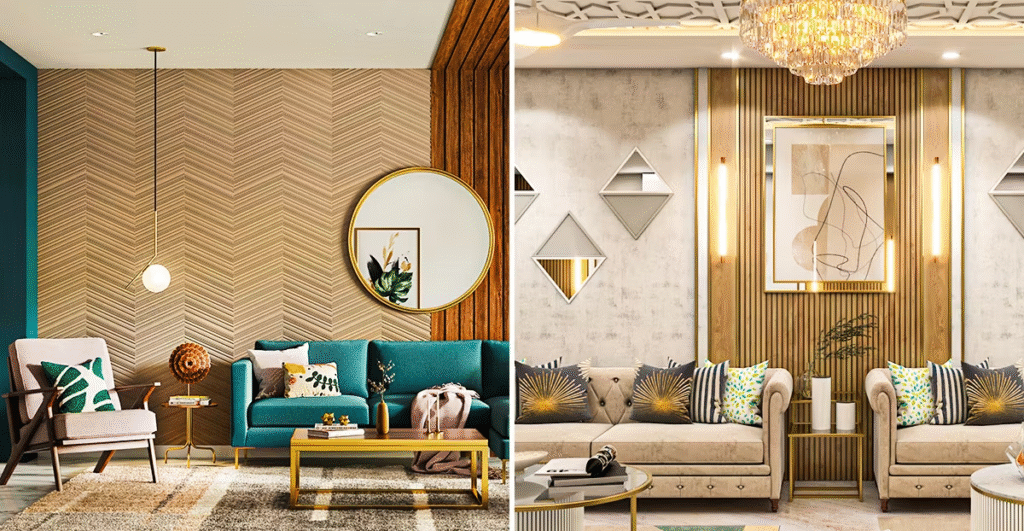
How to Style Shelves with Intent
When arranging shelves, coffee tables, or mantels, embrace the design rule of odd numbers and varying heights:
- Start with Books: Stack three or four large art, travel, or photography books horizontally on a coffee table or shelf to create a sturdy, flat platform.
- Add Height with Ceramics or Glass: Place a tall, textured clay vase or a brass candlestick behind or beside the book stack.
- Finish with an Organic Object: Layer in a smaller, tactile item on top of the books—a smooth river stone picked up on a memorable beach trip, a small wooden bowl, or a vintage brass magnifying glass.
Leave generous empty space around your displays. Negative space allows your favorite pieces to breathe and ensures every object gets the attention it deserves.
5. Lighting the Mood: Moving Beyond the “Big Overhead Light”
The Magic of Warm, Multi-Layered Pools of Light
To create an instant feeling of cozy warmth when evening falls, focus on layered, warm-toned lighting:
- Check Your Bulb Temperatures: Always opt for warm-white LED bulbs rated between 2700K and 3000K. Avoid cold, blue-toned bulbs (4000K+), which feel harsh and disrupt your body’s natural sleep rhythms.
- Set Up Low-Level Light Pools: Place small table lamps on sideboards, bookshelves, and kitchen counters. When dusk arrives, turn off the harsh overhead lights and turn on your lamps.
- Embrace Dimmers: Install simple plug-in dimmer switches for your floor and table lamps. Being able to drop the light levels as bedtime approaches signals your brain to relax and unwind after a long day.
6. The Joy of Decluttering: Letting Your Home Breathe
No amount of beautiful decor can hide a space burdened by chronic clutter.
Lighting is one of the most under-appreciated elements of interior design, yet it holds immense power over how a room makes us feel. Relying entirely on a single, harsh overhead ceiling light—often dubbed “the big light”—can make even the most beautifully furnished room feel cold, flat, and clinical.
Excess belongings create visual static that Houseplants are one of the simplest ways to refresh your home. A few well-placed indoor plants can instantly brighten a kitchen countertop, dining table, or living room corner. Plants not only enhance the appearance of your home but also create a calming atmosphere that many people appreciate.
A Practical Blueprint for Daily Order
- The “One-In, One-Out” Habit: Whenever you bring a new decorative item, throw pillow, or mug into your home, donate or rehome an older item. This simple practice keeps your belongings in natural equilibrium.
- Concealed Storage Solutions: Use woven seagrass baskets, fabric-covered boxes, and closed wooden cabinets to hide everyday necessities like extra charging cables, children’s toys, or dog leashes.
- Keep Entryways Clear: The entry hall sets the tone for your entire home. Use a narrow console table with drawers, a small coat rack, and a dedicated basket for shoes so you step into calm, clear space every time you walk through the front door.
Add Natural Elements for Warmth and Freshness
Nature has a remarkable way of making interiors feel peaceful and inviting. Incorporating natural materials into your home décor is one of the biggest design trends, and it continues to grow in popularity because it brings warmth, texture, and a sense of balance to every room.
Wooden furniture and decorative accessories also add character without making a space feel cluttered. Wooden cutting boards, open shelves, dining tables, and woven baskets combine functionality with timeless style.
Simple Weekend Refresh Ideas Matrix
If you want to update your space this weekend without spending a fortune, pick two or three simple projects from this quick-reference guide:
Your Home Is a Living, Evolving Canvas
Building a home you love isn’t a race to a finished line. It’s a slow, organic process that changes as your life, hobbies, and family evolve over time.
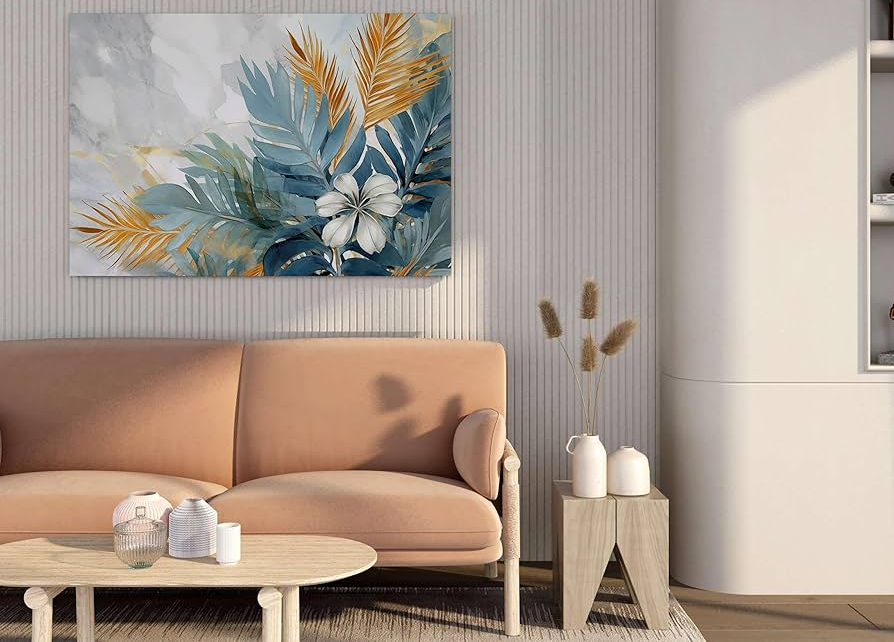
Don’t feel pressured to buy everything at once or adhere strictly to fleeting design trends you see on the internet. Focus on what makes you feel comfortable, grounded, and happy. When you choose quality natural materials, keep your functional spaces organized, layer warm lighting, and surround yourself with meaningful stories, your home will naturally become a sanctuary you can’t wait to return to every single day.
FAQ’S
1. What are the easiest ways to decorate a home on a budget?
Use neutral colors, add indoor plants, update soft furnishings, and incorporate simple decorative accessories.
2. How can I make my kitchen look more stylish?
Keep countertops clutter-free, use organized storage, add warm lighting, and decorate with plants or elegant kitchenware.
3. What colors are best for home décor?
Neutral shades like white, beige, gray, and soft earth tones create a timeless and welcoming look.
4. How do indoor plants improve home décor?
Indoor plants add natural beauty, improve the atmosphere, and bring freshness and warmth to any room.
5. What is the biggest home décor trend in 2026?
Minimalist designs, sustainable materials, multifunctional furniture, and warm, nature-inspired interiors are among the top home décor trends in 2026.