
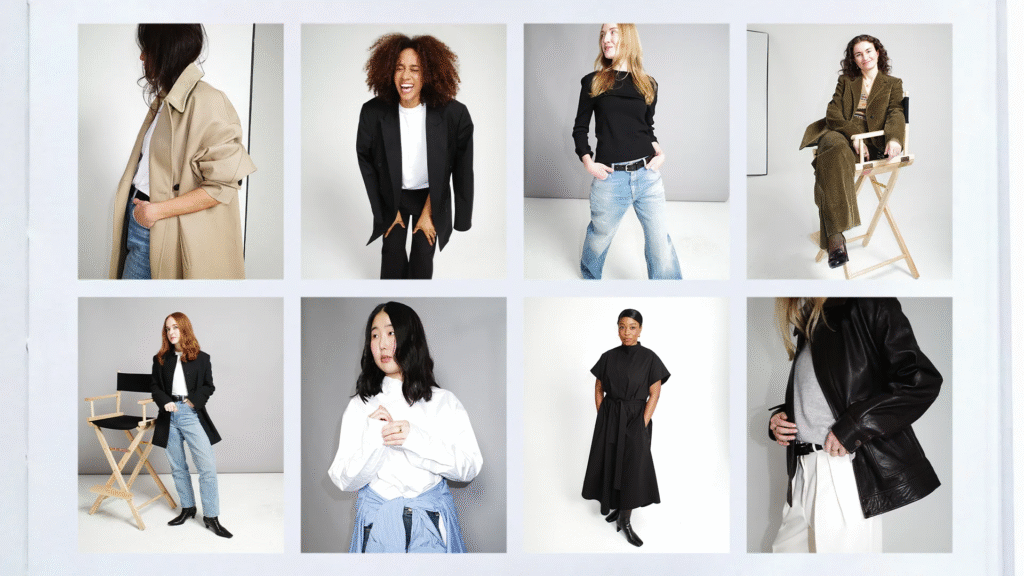
There was a time when looking “stylish” meant keeping Fashion up with an unrelenting treadmill of micro-trends. Every few weeks, a new aesthetic would dominate social feeds, urging us to toss out last season’s purchases in favor of whatever neon palette or hyper-specific silhouette was suddenly deemed essential. It was exhausting, expensive, and fundamentally disconnected from the way real people live their daily lives.
The fashion landscape looks and feels refreshingly different. The collective noise has settled into something far more intelligent, tactile, and human. Today, true style is less about mimicking a runway model or conforming to an algorithm’s aesthetic of the month, and far more about intentionality, personal comfort, and textural quality.
We are witnessing a quiet revolution in how we curate our closets. The modern wardrobe is no longer a collection of single-use costumes for hyper-specific events; it is a versatile, living ecosystem. It’s about owning pieces that feel like a soft second skin, age gracefully over years of wear, and effortlessly bridge the gaps between a morning commute, a casual afternoon meeting, a spontaneous weekend getaway, and a quiet evening out with friends.
1. The Death of Fast Trend-Chasing: The Shift Toward Personal Signatures
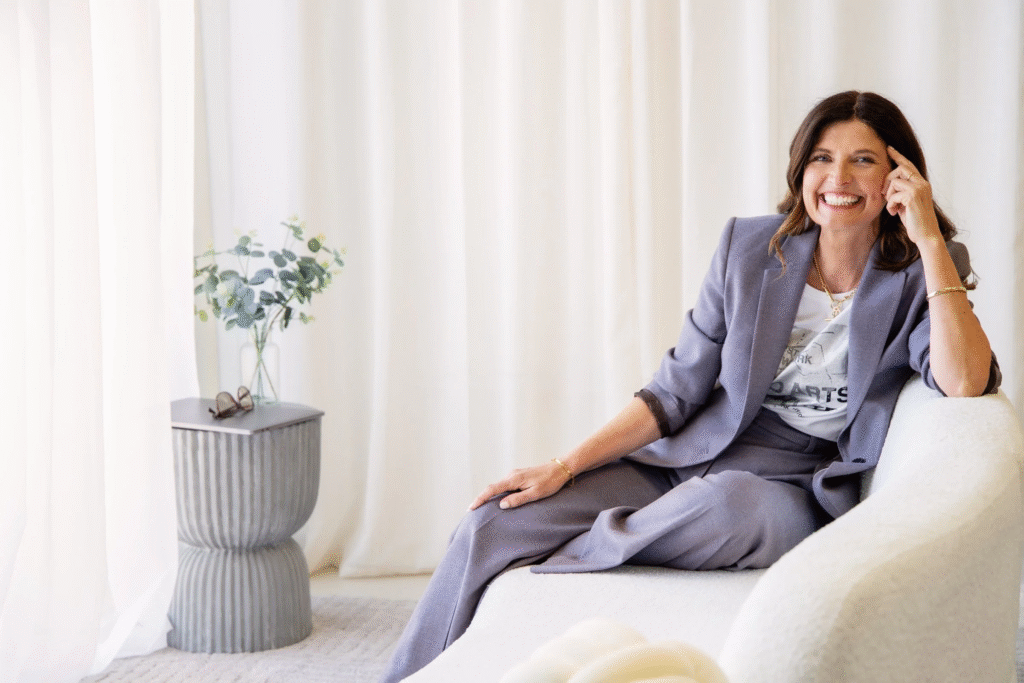
The pivot away from hyper-fast fashion isn’t merely a fleeting mood; it’s a profound cultural correction. People have grown weary of flimsy synthetic fabrics that lose their shape after two washes and cheap seamwork that unravels under standard wear. We are rediscovering the tactile joy of genuine quality.
Modern personal style prioritizes longevity. When you purchase a garment today, the defining questions have changed:
- How does this fabric feel directly against my skin during an eight-hour day?
- Can I pair this jacket with three different trousers I already own?
- Will this weave hold up after years of natural wash cycles?
Digital tools—ranging from virtual fitting rooms to intelligent wardrobe-archiving apps—have made it infinitely easier to analyze what we actually wear versus what simply looks pretty on a screen. But technology is merely the backdrop. The driving force is a return to authentic self-expression. Wearing what feels genuinely you has officially replaced strict adherence to seasonal trend reports.
2. Relaxed Tailoring: The New Language of Unforced Elegance
Remember when wearing a suit meant feeling trapped inside stiff shoulder pads, rigid waistbands, and restrictive linings? That era has officially dissolved. The modern interpretation of tailoring takes the historical sharpness of traditional suiting and softens every harsh line, yielding garments that look immaculate while feeling as comfortable as high-end loungewear.
The Unstructured Blazer
The hero piece of this movement is the unstructured, slightly oversized blazer. Free from rigid internal canvas layers and heavy shoulder pads, these jackets drape naturally along the body’s real contours. Styled with a crisp heavyweight T-shirt and relaxed trousers, an unstructured blazer conveys authority without looking stuffy. Throw it over a casual knit for an evening dinner, and it instantly elevates the entire ensemble.
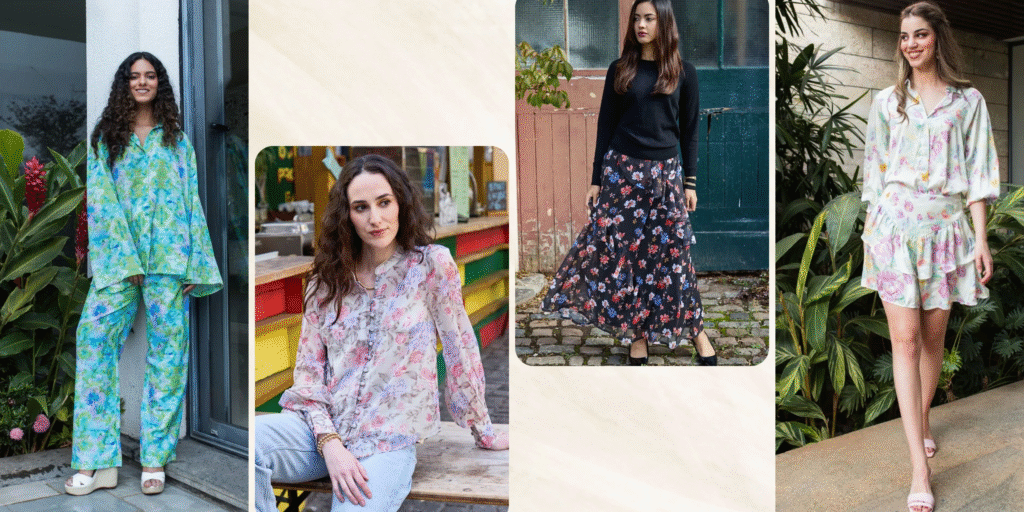
Fluid Trousers and Co-Ords: Tight, restrictive trousers have given way to sweeping wide-leg pants and fluid, pleated trousers crafted from high-drape materials like washed linen, soft wool flannels, and heavy tencel blends.
Matching co-ord sets—such as relaxed button-down shirts paired with matching fluid trousers—allow you to get dressed in thirty seconds while achieving an air of deliberate, put-together style.
3. The Re-engineered Foundation: Elevated Everyday Basics
Basics are no longer treated as an afterthought or mere filler between “statement” pieces. They are the statement. The humble white T-shirt, the classic indigo jean, and the simple crewneck sweater have been elevated through meticulous pattern-making and superior textile engineering.
What Makes a Basic “Elevated”?
It all comes down to weight, weave, and trim:
- Heavyweight Cottons: Cheap T-shirts use thin, lightweight cotton that sags at the collar after a few washes. Elevated basics utilize dense, ring-spun organic cotton (often 200+ GSM) that maintains its structural integrity and drapes cleanly over the torso.
- The Perfect White Shirt: A well-crafted poplin or oxford cotton shirt features subtle details: a collar that holds its soft shape without heavy starch, mother-of-pearl buttons, and a hem cut at just the right length to be worn either tucked or untucked.
- Thoughtful Sweaters: Fine-gauge merino wool, organic cotton knits, and mid-weight cashmere pieces provide warmth without unnecessary bulk, serving as the ultimate mid-layers for year-round wear.
4. Grounded Footwear: Where Ergonomics Meets Aesthetic
The days of suffering through a long day in agonizing shoes just to achieve a certain look are over. Footwear has undergone a permanent shift toward human-centric, ergonomic design. If a shoe hurts to walk in for thirty minutes, it simply has no place in a modern wardrobe.
The Rise of Low-Profile Minimalist Sneakers
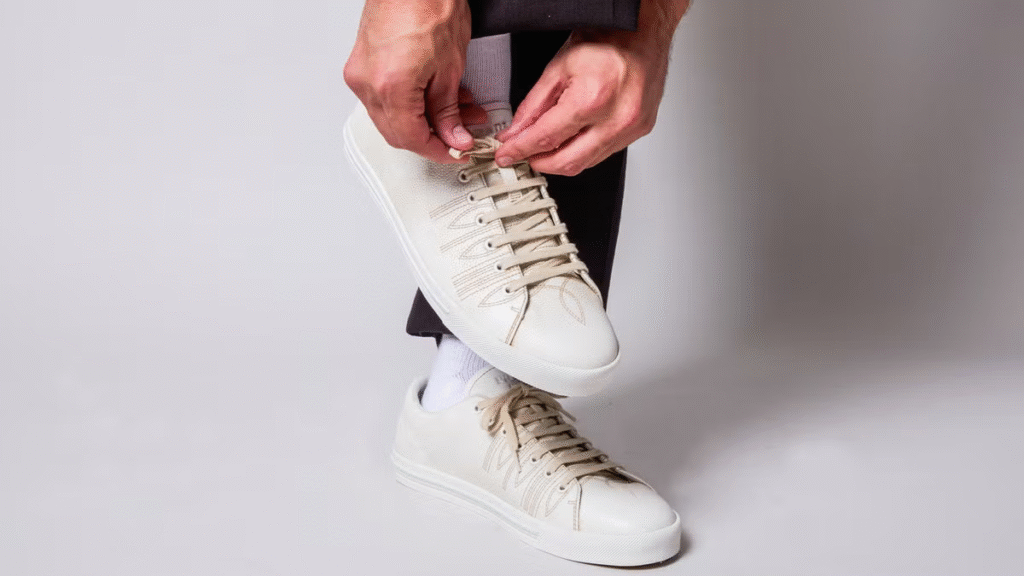
Sleek, unbranded sneakers crafted from rich leather or durable canvas remain the ultimate footwear equalizer. They pair effortlessly with tailored suits, relaxed denim, or fluid dresses. Their magic lies in their quiet simplicity: no aggressive logos, no garish colors—just clean lines and supportive footbeds.
Flexible Loafers and Daily Boots
Traditional dress shoes have been re-imagined with soft, glove-like leathers and flexible lug or crepe soles. Loafers now feature broader toe boxes that don’t pinch your feet, while everyday boots prioritize lightweight construction and arch support, allowing you to walk miles across city pavements comfortably.
5. Earth-Anchored Color Palettes: The Calm of Tone-on-Tone
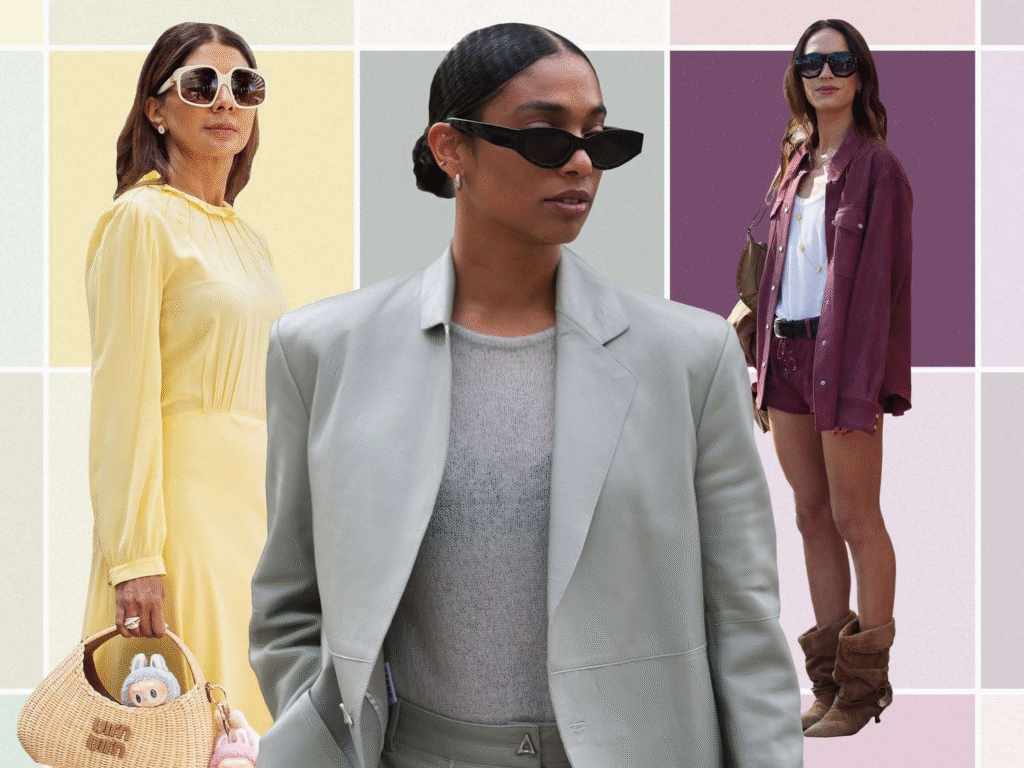
The modern color spectrum borrows directly from the natural landscape. Rather than relying on neon accents or chaotic prints that quickly feel dated, color palettes are grounded in rich, calming hues that evoke warm earth, stone, forest leaves, and deep waters.
Wearing a single color family in varying shades and textures—often called tone-on-tone dressing—is the ultimate shortcut to looking refined with minimal effort.
Consider an outfit built entirely around shades of warm taupe and cream:
- Start with a soft oatmeal-colored knit tee.
- Layer a sand-colored unstructured blazer over top.
- Finish with dark beige wide-leg trousers and off-white leather sneakers.
Because there are no harsh color boundaries breaking up your silhouette, monochrome outfits create a long, continuous line that looks clean, considered, and sophisticated. It allows the rich textures of your clothing—the grain of the leather, the weave of the wool, the crispness of the cotton—to take center stage.
6. Statement Outerwear: The Instant Outfit Transformer
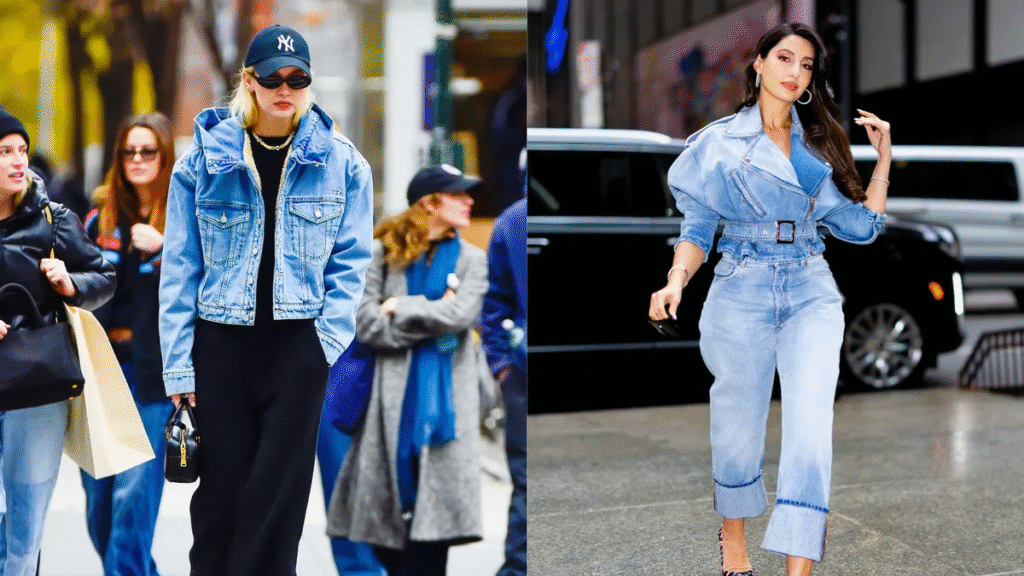
If you only invest in one high-impact category for your wardrobe, make it outerwear. A well-crafted coat or jacket is the first thing people see when you step outside, and it has the unique power to turn even the simplest base layer—like a plain grey tee and basic denim—into a sharp, intentional look.
The Oversized Trench: Updated with dropped shoulders, sweeping lengths that hit below the knee, and fluid, water-resistant fabrics, the modern trench coat adds instant drama and protection from unpredictable weather.
- The Tactile Utility Jacket: Inspired by vintage workwear, utility jackets in heavy waxed cotton or durable canvas add a rugged, practical texture to soft knits and tailored pants.
- The Long Wool Overcoat: A double-breasted coat in dark chocolate brown, deep charcoal, or camel provides a clean outline during colder months. Look for coats with high wool content (80% or higher) to ensure warmth without synthetic shine.
7. The Evolution of Denim: Comfort Over Constriction
Denim remains an indispensable element of daily style, but its shape has evolved dramatically. The era of painted-on, restrictive skinny jeans has given way to relaxed, heritage-inspired cuts that let your skin breathe and move naturally.
Emphasizing Authentic Weaves
Rather than synthetic-heavy stretch denim that loses its shape by midday, shoppers are returning to 100% organic cotton denim or low-stretch blends (1-2% elastane). Authentic denim breaks in naturally over time, molding to your unique body shape and developing a distinctive, personal character with every wear.
Opt for medium vintage washes, raw selvedge indigo, or soft off-white denim. These shades pair seamlessly with virtually any color in your closet and transition effortlessly across seasons.
8. Accessories: The Power of Quiet Detail
When your clothing relies on clean lines, relaxed silhouettes, and neutral tones, your choice of accessories adds the finishing touch of personality. Accessories should never look noisy or overwhelming; they should feel like quiet, deliberate signatures.
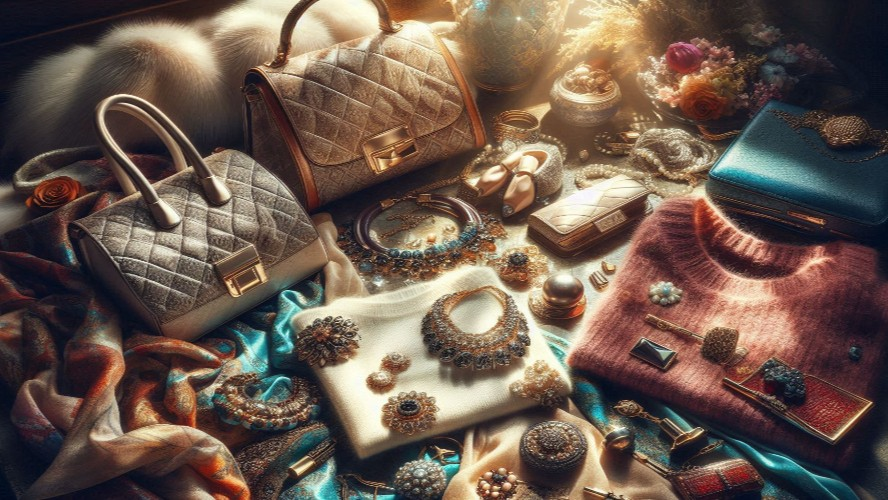
- Structured Crossbody & Tote Bags: Choose rich, unbranded leathers or heavy canvas totes. Look for clean hardware, functional internal compartments, and durable stitching.
- Subtle Metallic Touches: Move away from excessive, flashy jewelry. Instead, opt for a few quality pieces: a brushed silver ring, a classic mid-sized watch with a leather strap, or a simple gold chain that sits quietly beneath a shirt collar.
- Textile Accents: A soft cashmere scarf tucked into an overcoat or an unstructured cotton cap worn with a blazer balances formality with a touch of easygoing utility.
9. The Art of Layering: Building Depth and Versatility
Mastering the art of layering is the single most effective way to maximize your wardrobe without buying dozens of new items. Successful layering isn’t about piling on thick clothes; it’s about mixing varying weights, textures, and hem lengths to create visual interest while adapting seamlessly to changing weather.
The Golden Rules of Visual Layering
- Show the Edges: Allow a hint of your base layer to peek out. A crisp white T-shirt hem extending an inch below a cropped knit sweater adds an immediate, intentional break in your outfit.
- Vary Your Textures: Pair smooth fabrics with rough ones. Combine crisp cotton poplin with chunky wool knits, or match smooth leather with textured corduroy.
- Keep Scales Balanced: If your outer layer is heavy and voluminous, keep your base and mid-layers relatively tailored so your silhouette doesn’t feel bulky or overwhelming.
10. Building Your Modular Wardrobe: A Step-by-Step Blueprint
Building a stylish, functional closet doesn’t require a complete overhaul overnight. The most sustainable, satisfying way to curate your style is to focus on a modular foundation—a set of high-quality, interchangeable essentials that serve as the backbone for your daily outfits.
The Blueprint Strategy
- Step 1: Audit What You Wear Most. Open your closet and pull out the five items you naturally reach for week after week. Identify why you love them. Is it the soft fabric, the forgiving cut, or the subtle color? This reveals your actual style baseline.
- Step 2: Invest in Core Gaps. If you realize your daily outfits rely on worn-out T-shirts, swap them for two high-density, organic cotton basics. If your everyday shoes leave your feet sore, replace them with supportive, clean leather sneakers.
- Step 3: Test Multi-Match Versatility. Before buying any new item, ensure it can instantly pair with at least three items already sitting in your closet. If it requires purchasing a whole new outfit just to make it work, leave it on the rack.
- Step 4: Care for What You Own. Longevity depends on how you look after your clothes. Wash garments inside out on cold settings, air-dry whenever possible to preserve elastic fibers, and store knits folded rather than hung to prevent stretch deformities.
Sustainable Style Is True Self-Assurance
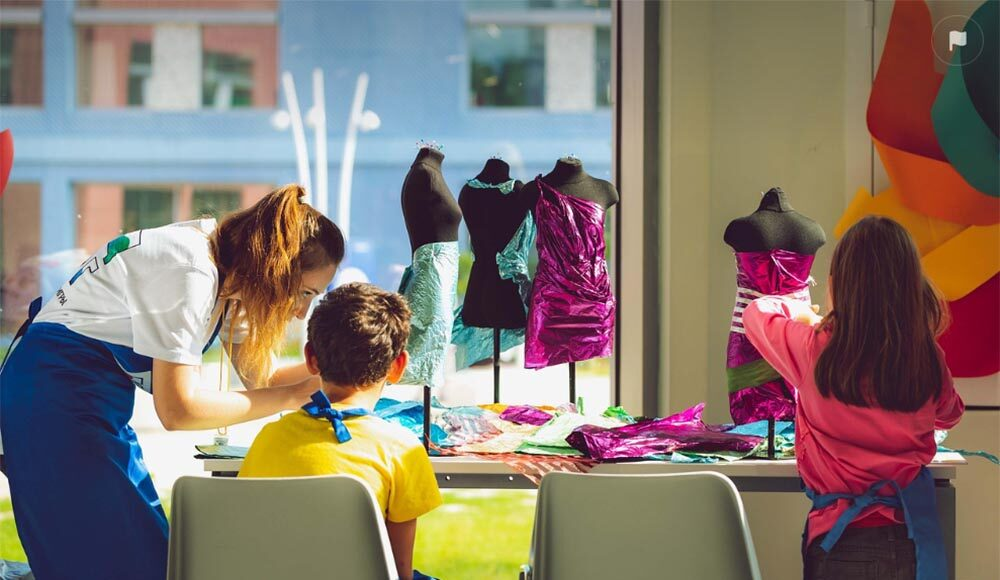
At its core, modern style is a quiet declaration of self-respect. It’s an acknowledgment that you don’t need to chase every passing trend to look remarkable, nor do you need to sacrifice your everyday comfort to look refined.
When you invest in honest fabrics, comfortable silhouettes, functional footwear, and a grounded color palette, getting dressed in the morning stops being a daily struggle. It transforms into a simple, satisfying ritual—a quiet moment where you put on clothes that support your life, honor your values, and allow your authentic self to move through the world with ease and confidence.
FAQ’S
1. What are the biggest fashion trends in 2026?
Relaxed tailoring, oversized blazers, sustainable fashion, monochrome outfits, and comfortable footwear are among the top trends.
2. How can I build a trendy wardrobe on a budget?
Invest in timeless basics, shop during sales, and choose versatile pieces that can be styled for multiple occasions.
3. Are neutral colors still in fashion?
Yes, neutral shades like beige, black, white, gray, navy, and olive remain stylish and easy to mix and match.
4. Is sustainable fashion worth investing in?
Yes, sustainable fashion focuses on quality, durability, and timeless designs, making it a smart long-term investment.
5. What fashion essentials should everyone own?
A well-fitted blazer, classic white shirt, quality denim, comfortable sneakers, and a versatile jacket are must-have wardrobe essentials.