
We live in an era where travel has been hyper-commodified. Our feeds are saturated with heavily filtered images of five-star infinity pools, exclusive overwater villas, and hyper-luxurious retreats that cost more per night than most people make in a month. This visual noise has created a subtle psychological trap: we start to believe that the quality of an adventure is directly proportional to how much it thins our wallets. We look at our modest savings and think, Maybe next year.
But that is an illusion. The raw truth of human experience is that our most profound travel memories almost never happen because of a luxury amenity or an exorbitant price tag. They happen in the organic, unfiltered spaces between destinations: the smell of damp earth on an early morning hike, the hypnotic rhythm of street-side jazz, or the taste of a perfect, messy local sandwich eaten on a park bench.
Affordable travel isn’t a compromise or a lesson in self-deprivation. It is a strategic, deliberate choice to reject consumer hype and embrace real, ground-level human connection. When you remove the pressure of an overblown budget, you free your mind from the constant, low-grade financial anxiety that ruins so many vacations. You stop measuring a trip by its cost and start measuring it by its depth.
New Orleans French Quarter. Source: French Quarter / Royal Street, a Block-by-Block Guide
Tulsa Art Deco. Source: Stephen Travels / Art Deco Tulsa | Stephen Travels
Big Bend Horizon. Source: National Park Service / The Distinct Desert Landscape – Big Bend National Park (U.S. …
Redefining the Classic American City Break
The default instinct for an urban getaway is usually to book a flight to New York, Chicago, or Los Angeles. But the second you land in a mega-metropolis, you are fighting uphill against inflated hotel rates, expensive parking, and twenty-dollar cocktails. The smartest travelers look elsewhere—to the cities that are quietly cultivating incredible cultural scenes without charging a premium just to breathe their air.
The Art Deco Solace of Tulsa, Oklahoma
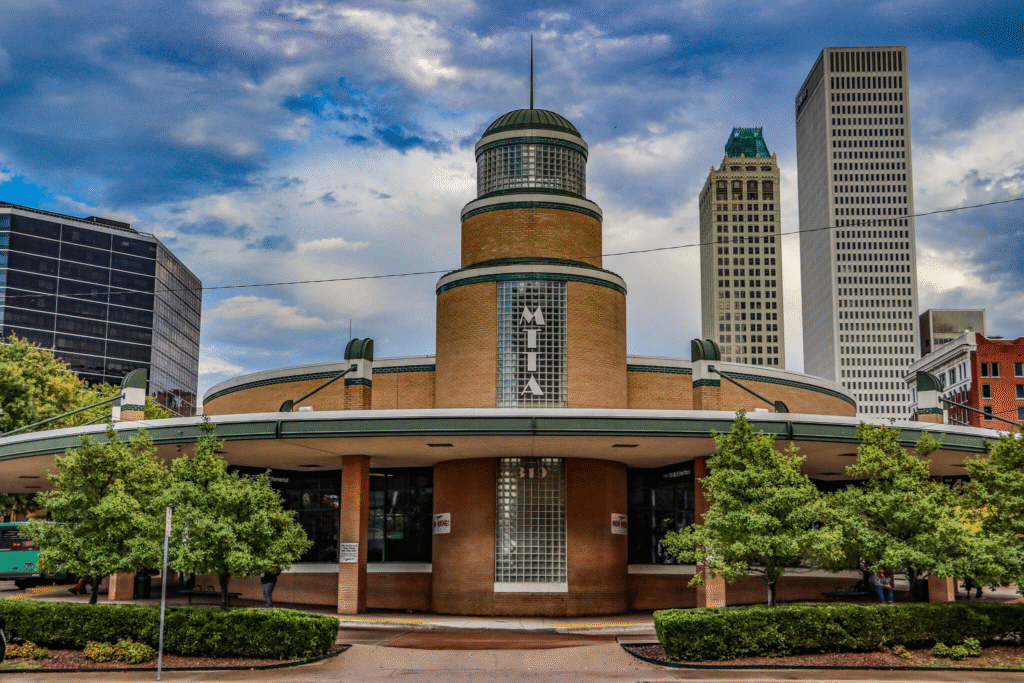
Tulsa is a revelation for anyone willing to look past traditional tourist hotspots. It is a place where you can feel the history written directly into the skyline. During the oil boom of the early twentieth century, architects flooded the city, leaving behind one of the most stunning collections of Art Deco design in the world.
Wandering through downtown Tulsa feels like walking through a living museum, and it costs absolutely nothing to look up. The city has room to breathe; you aren’t fighting dense walls of crowds just to walk down the sidewalk. Between the sprawling green sanctuary of The Gathering Place—a world-class public park that is entirely free—and a fiercely independent local music and culinary ecosystem, Tulsa offers a rich weekend escape that leaves your bank account completely intact.
The Neighborhood Tapestry of Atlanta, Georgia
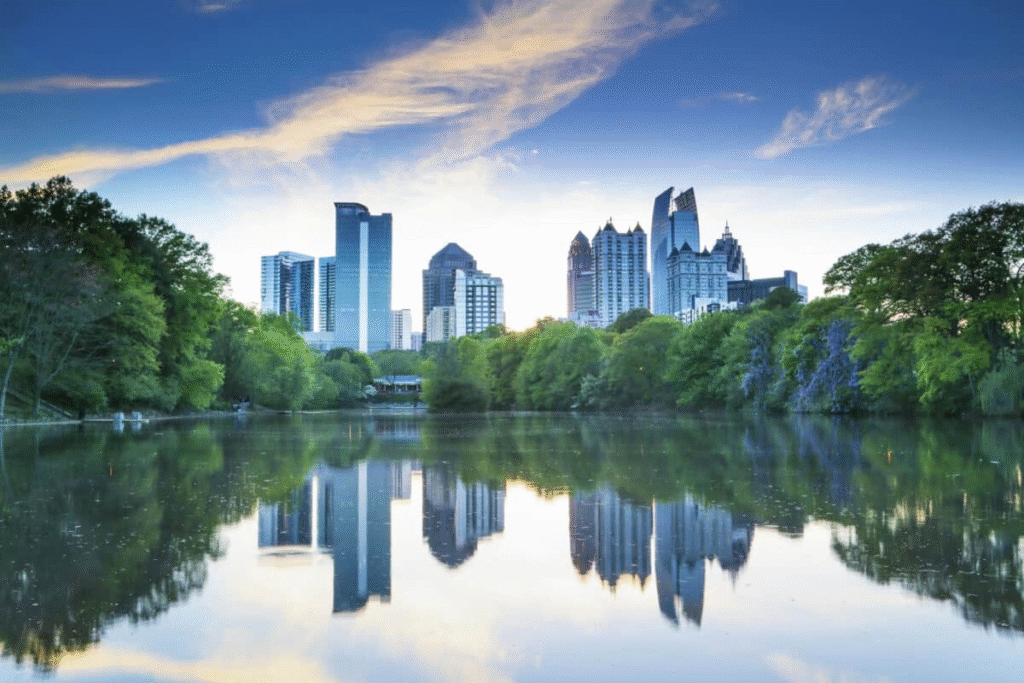
Atlanta is a city masquerading as a forest. Its massive, leafy tree canopy shades an urban landscape defined not by commercial tourist traps, but by deeply soulful neighborhoods.
A perfect day in Atlanta doesn’t require a single high-ticket admission fee. You can spend your hours traversing the Eastside BeltLine, a brilliant rails-to-trails project where the city’s creative energy is on full display through local street art, pop-up performances, and community markets. From the historic streets of Sweet Auburn, where Martin Luther King Jr.’s legacy is preserved in free national historic sites, to the eclectic food stalls of Krog Street Market, Atlanta provides a substantial, multi-layered urban experience driven by local community rather than corporate commercialism.
The Quiet Renaissance of Bakersfield and Houston

When we look at value, cities like Bakersfield, California and Houston, Texas rarely get the poetic credit they deserve. Bakersfield sits as a cultural crossroads in California’s Central Valley, offering an authentic, gritty slice of musical history via the “Bakersfield Sound” and access to rugged Sierra Nevada foothills without the coastal price tag.
Houston, on the other hand, is a magnificent, sprawling titan of diversity. Because it is a massive working city rather than a curated tourist destination, its world-class food scene—spanning from authentic Vietnamese pho to legendary Texas brisket—is priced for real people, not vacationers. The city’s Museum District offers extensive free-admission days, proving that elite art and culture don’t have to be locked behind a paywall.
Destinations with an Unshakeable Identity
There are some places in the United States where the atmosphere is so thick, so completely distinct, that the primary activity of your trip is simply being there.
The Pure Soul of New Orleans, Louisiana
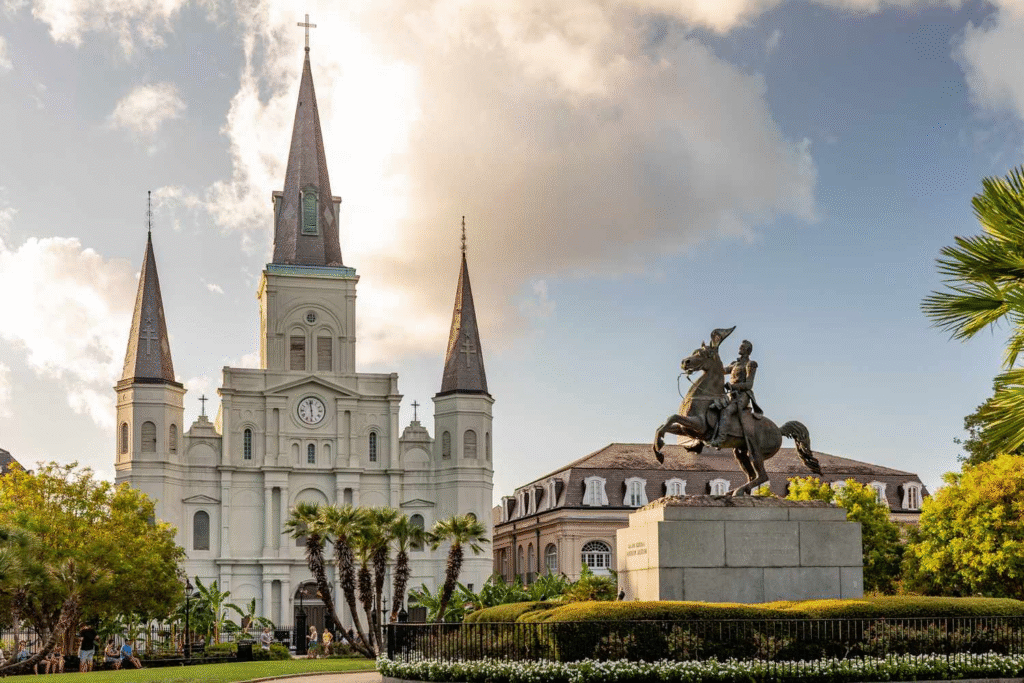
New Orleans does not require a complex itinerary. The moment you step onto the damp, historic asphalt of the French Quarter or the Marigny, the city envelopes you. The scent of powdered sugar, roasted coffee, and old brick walls hangs heavy in the humid air.
In New Orleans, culture is an interactive, public asset. You can stand on a street corner and listen to a brass band that rivals any concert hall lineup in the world. You can ride the St. Charles streetcar for a couple of dollars, watching the grand, moss-draped oak trees pass by like scenes from a movie. It is a place where luxury is found in the seasoning of a local gumbo or the warmth of a porch conversation, making it one of the most fulfilling, budget-friendly destinations on earth.
The Creative High of Austin, Texas
Austin has grown exponentially, but its underlying identity as a haven for misfits, musicians, and outdoor enthusiasts remains intact if you know where to look. While luxury hotels line the downtown core, the true heart of the city can be found swimming in the cool, subterranean waters of Barton Springs Pool—a natural limestone feeding ground that costs a handful of change to enter. You can watch a million bats take flight from under the Congress Avenue Bridge at dusk, or sit on the grass at an outdoor stage. It’s a city where a cheap pair of boots, a plate of world-class food truck tacos, and a free live set are all you need to feel like an insider.
Flipping the Script on Luxury Paradigms

We are often told that places like Las Vegas, Orlando, or the coast are inherently expensive. But because these destinations are engineered to process millions of travelers, they contain a hidden paradox: their massive infrastructure creates intense competition, which a smart traveler can exploit.
The Counter-Intuitive Value of Las Vegas, Nevada
Las Vegas is famous for excess, but look at the raw data. Because the city has an immense volume of hotel rooms to fill, mid-week lodging rates often drop to prices that seem like a misprint.
If you consciously bypass the high-stakes tables and the celebrity-chef dining rooms, Vegas becomes an incredibly cheap home base. The Strip itself is a massive, surreal pedestrian theater of neon and architecture. More importantly, the city sits just minutes away from the stunning, fiery sandstone layers of Red Rock Canyon. By using Vegas for affordable beds and flights, and spending your days exploring the surrounding Mojave desert, you build a hybrid vacation that offers massive value.
Deconstructing Orlando, Florida
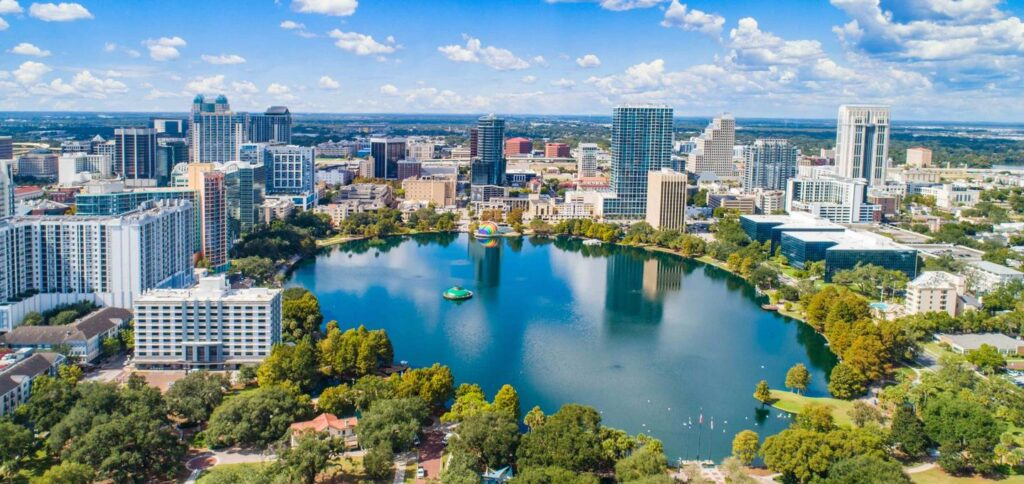
Orlando is synonymous with massive theme park budgets. However, because it is built to accommodate every budget level on earth, it possesses an unmatched density of affordable vacation rentals, grocery options, and alternative entertainment.
You can craft a brilliant family vacation by balancing one major park day with days spent exploring the real Florida: kayaking through the crystal-clear, emerald waters of nearby natural springs, wandering the quiet, oak-lined streets of Winter Park, or catching a free outdoor movie by a downtown lake.
Embracing the Whispering Solace of the Coast
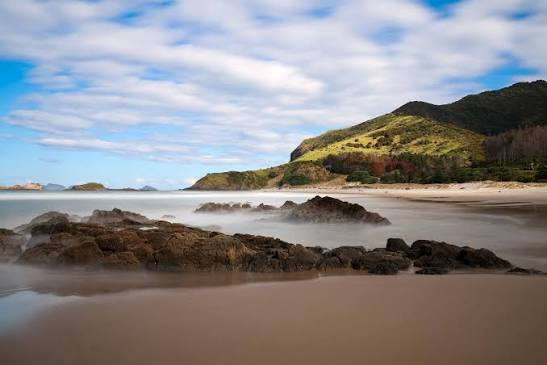
In Fort Lauderdale, you get a laid-back alternative to the frantic, expensive energy of Miami. The city is woven together by a network of scenic canals. By using the affordable local water taxi or simply walking along the beachfront promenade under the shade of coconut palms, you can absorb the classic Florida sunshine without paying luxury resort premiums.
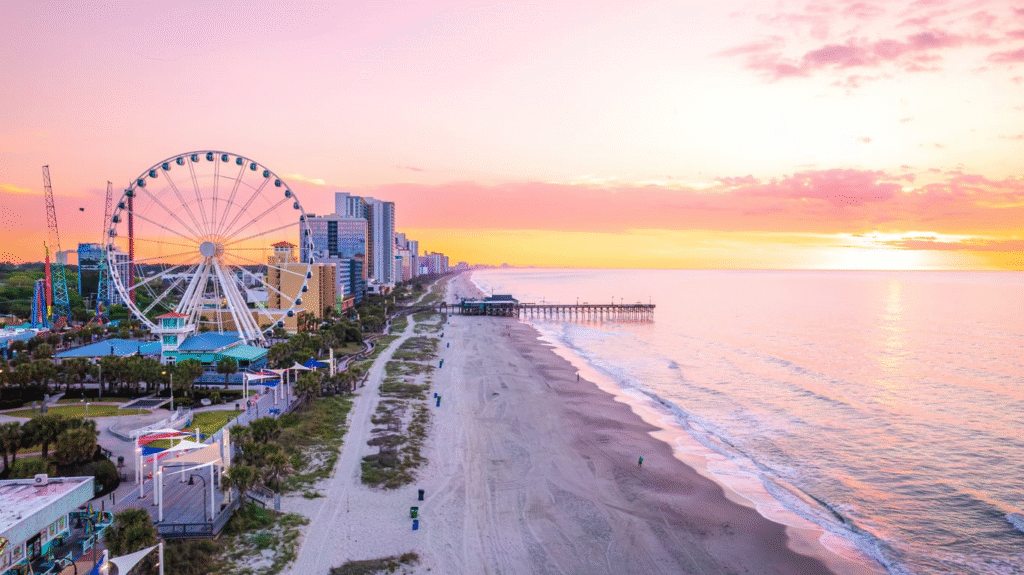
In Myrtle Beach, the classic American summer vacation is preserved in amber. The joy here is intentionally simple: the smell of sunscreen, the cool relief of the Atlantic surf, and the evening walk down a wooden pier as the stars begin to dot the sky.
The ocean is the ultimate equalizer. The waves don’t care how much you paid for your hotel room; the horizon looks exactly the same from a public boardwalk as it does from a private balcony.
| Coastal Hub | Sensory Experience | Budget Philosophy |
|---|---|---|
| Myrtle Beach, SC | Wide, sun-baked Atlantic sand; neon-lit piers; salt air. | Stay two blocks back from the ocean front; embrace casual seafood shacks. |
| Fort Lauderdale, FL | Intercoastal waterways; swaying palms; yacht-watching. | Use the public water taxi as a low-cost narrated cruise; walk the beach. |
The Primordial Solace of the Wild: National Parks
If you want a trip that alters your perspective, that makes you feel beautifully small and deeply connected to the planet, you have to leave the concrete behind. The United States National Park system is arguably the greatest democratic gift in travel history. For a nominal entry fee, you are granted passage into landscapes that feel completely ancient and untouched by time.
“In the woods, we return to reason and faith. There, I feel that nothing can befall me in life—no disgrace, no calamity—which nature cannot repair.”
Consider the sheer variety of solace available across the American continent:
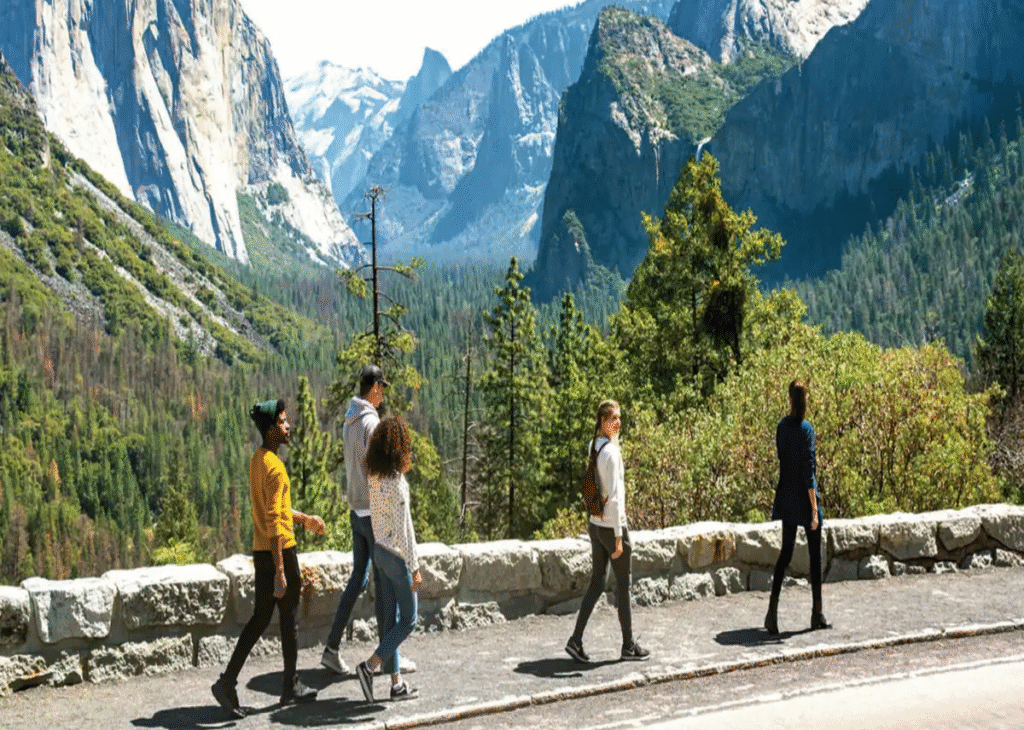
1. The Misty Depths of Yellowstone
Walking through Yellowstone feels like watching the earth during its first days of creation. The ground bubbles, hisses, and breathes. Columns of pale mist rise from brilliant, turquoise thermal pools, drifting lazily through arrays of dark lodgepole pines. You can sit quietly in your car or on a wooden boardwalk and watch a herd of ancient, massive bison graze across a sweeping valley floor. It is a sensory immersion that reminds you of the wild, chaotic beauty of our planet, requiring nothing more than a park pass and a spirit of curiosity.
2. The Jagged Horizons of the Grand Canyon
No photograph can prepare your brain for the first time you stand on the rim of the Grand Canyon. You look out across an impossible expanse of deep crimson, burnt orange, and pale gold rock layers carved over millennia by the winding thread of the Colorado River. As the afternoon sun shifts, the shadows in the canyon deepen, turning purple and blue. To sit on a ledge as the wind sweeps up from the canyon floor is to experience a profound, meditative stillness that clears the mental static of modern life.
3. The Isolated Majesty of Big Bend and Hot Springs
Deep in West Texas, Big Bend National Park offers a raw, striking desert isolation. Here, the jagged Chisos Mountains rise like a fortress out of a sea of cactus-dotted desert floor. The nights are so dark and clear that the Milky Way spills across the sky like a river of silver dust.
Further east, Hot Springs National Park in Arkansas blends natural geologic wonders with human history, offering a peaceful sanctuary of ancient thermal springs nestled directly into a historic mountain town.
The Mindset Shift: Traveling Like a Human, Not an Algorithm
Ultimately, the cost of a trip isn’t determined by a destination’s name on a map; it is determined by your mindset. If you allow corporate marketing algorithms to dictate how, when, and where you travel, you will always overspend. Affordable, meaningful travel requires you to think like an explorer, not a consumer.
- Follow the Seasons, Not the Crowds: Every destination has a “shoulder season”—that magical window of time right before or right after the peak tourist rush. The air is just as sweet, the historic streets are quiet, and hotel prices drop by half.
- The Three-Block Rule for Food: Never eat within sight of a major monument or tourist hub. Walk three blocks away, turn down a side street, and find where the local working-class residents are line-singing for lunch. You will get better food, pay a fraction of the price, and experience an authentic slice of local life.
- Slow Down the Pace: The most expensive way to travel is to try to see everything in 48 hours. When you rush, you rely on expensive convenience—taxis, convenience stores, and rushed tours. When you slow down, you walk more, you take the public bus, you sit in local squares, and you allow the destination to reveal itself to you naturally.
The world is vast, beautiful, and remarkably accessible if you are willing to let go of the illusion that luxury is a prerequisite for joy. Pack a light bag, pick a destination with character, and step out the door. The memories are waiting for you, and they don’t care about your budget.
FAQ’S
1. What are the best affordable travel destinations in the USA?
Cities like Orlando, New Orleans, Las Vegas, Atlanta, and Myrtle Beach are great budget-friendly options.
2. When is the best time to visit the USA on a budget?
Travel during the off-season or weekdays to find lower prices on flights and hotels.
3. How can I save money while traveling in the USA?
Book early, compare accommodation prices, use public transportation, and visit free attractions.
4. Are national parks affordable travel destinations?
Yes, many U.S. national parks have low entrance fees and offer excellent value for nature lovers.
5. Can I enjoy a USA vacation on a limited budget?
Absolutely. With careful planning, affordable accommodations, and budget-friendly activities, you can have a memorable trip without overspending.