
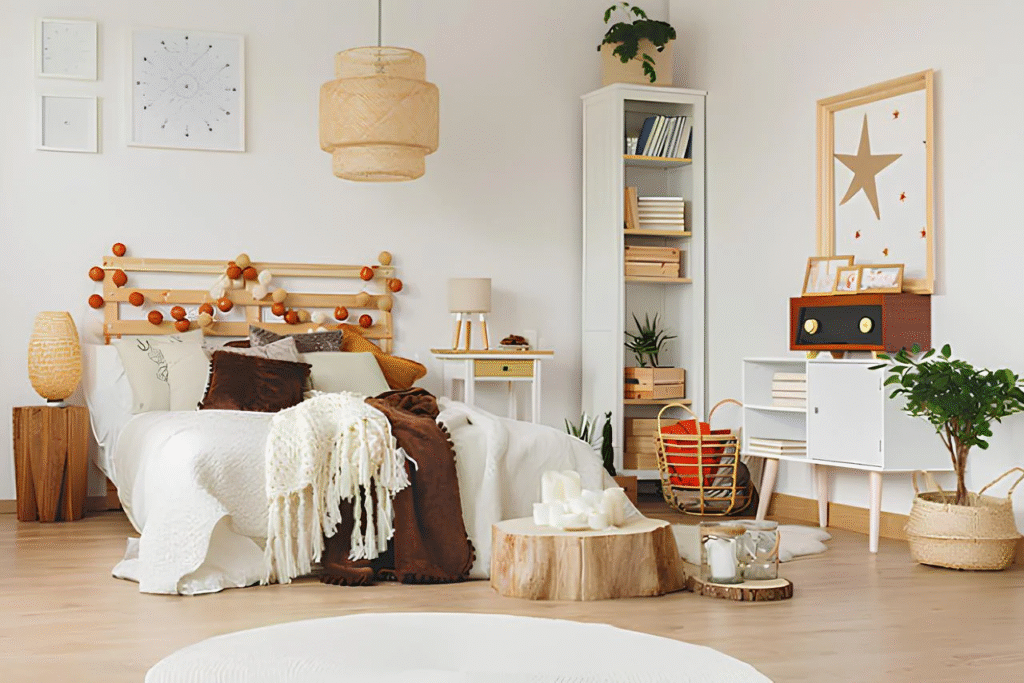
There is a massive difference between a house that looks like a glossy page from an interior design catalog and a home that wraps its arms around you the second you walk through the front door. The design industry has done a masterful job of convincing us that a beautiful home requires a massive bank account, high-end contractors, and a mountain of luxury furniture. But true comfort cannot be bought off a showroom floor. The most memorable, soul-stirring spaces aren’t defined by how much money was poured into them; they are shaped by intentionality, warmth, and a deep understanding of how a human being actually moves through a room.
Home is where the masks come off. It is the sanctuary where you wash away the grit of a brutal workday, collapse into a couch with the people you love, cook chaotic Sunday breakfasts, and find quiet pockets of peace. Because it serves such a vulnerable role in our lives, your space should feel deeply personal and lived-in, not cold, stiff, or over-styled. Designing on a budget isn’t a limitation; it is actually a creative superpower. It forces you to look at your surroundings with a sharper eye, stripping away the meaningless filler to focus strictly on what brings you real joy and functional ease.
Start with What You Already Have
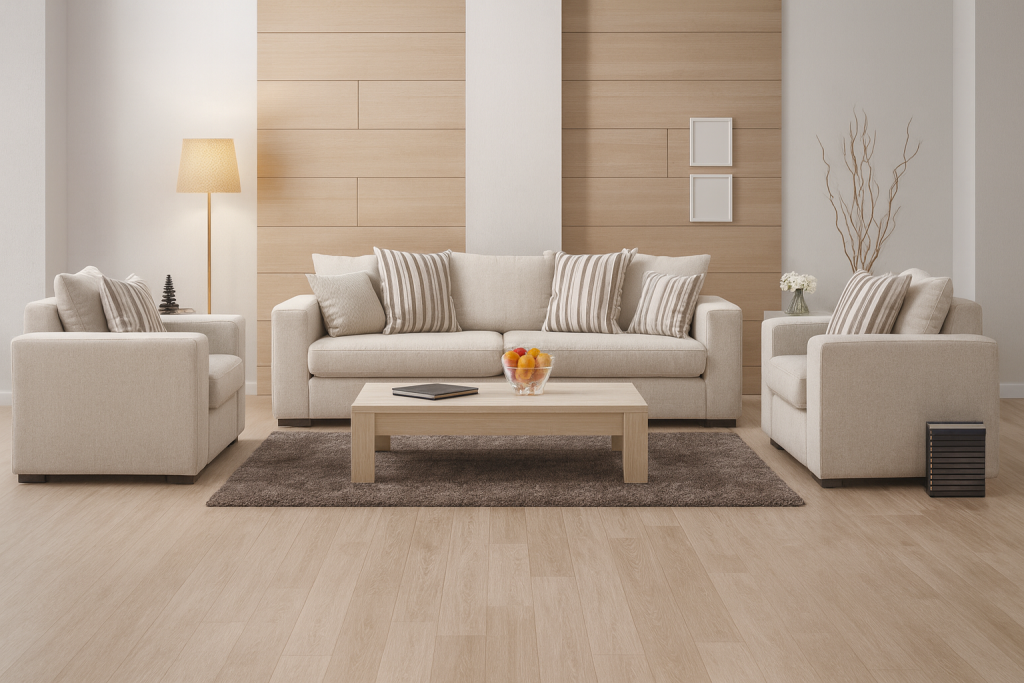
When the decorating itch strikes, our immediate consumer impulse is to open a shopping app or drive to the nearest home goods store. But the most sustainable and budget-friendly design move you can make doesn’t cost a single cent: shop your own house. We become blind to our own belongings when they sit in the same spot for years.
Before you buy a new piece of furniture, clear the room and look at your items with fresh eyes. A heavy wooden armchair that feels entirely wrong in your bedroom might become the ultimate reading nook anchor when moved next to the living room window. That rug you’ve grown tired of in the dining room might completely transform the texture of your home office.
Style your bookshelves by grouping books by color or stacking them horizontally to act as mini pedestals for small keepsakes. Refresh an outdated coffee table simply by cleaning the clutter away and placing a single, warm ceramic bowl in the center. Transformation is rarely about accumulation; it’s about editing and choreography.
Focus on Comfort First
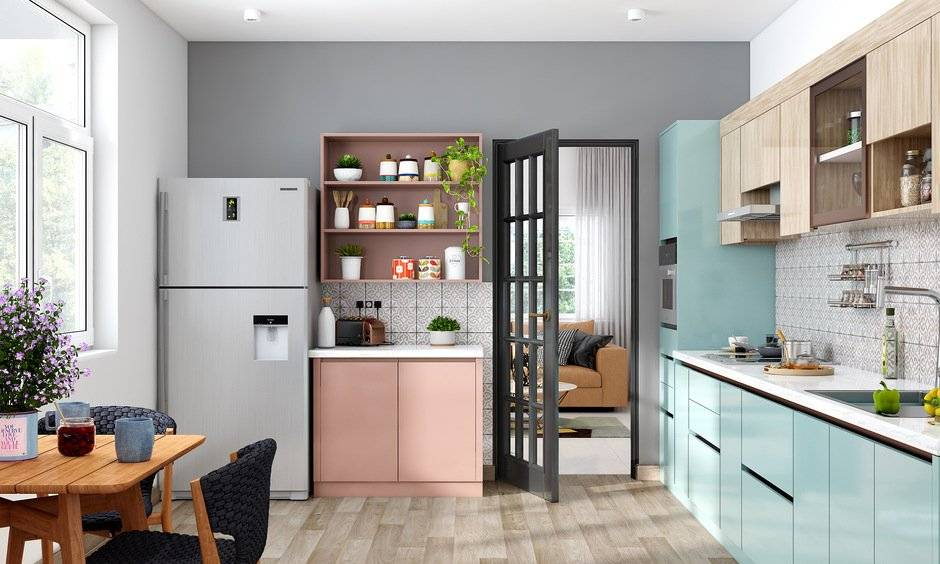
If a room looks visually striking but requires you to sit at an awkward angle or worry about spilling a drink on a delicate fabric, it has failed as a living space. Aesthetics should always bow down to physical comfort. A truly beautiful home is one that practically begs you to slow down, relax, and stay a little longer.
You don’t need a designer sofa to cultivate an atmosphere of deep rest. It’s all in the tactile details. A firm, budget-friendly chair instantly becomes an inviting oasis when draped with a chunky, oversized knit blanket. A basic bed feels like a luxury hotel retreat when you layer it with a few plush, down-alternative pillows. Arrange your furniture to encourage human connection—face chairs toward each other rather than pointing every single piece of upholstery at a television screen. When a space functions beautifully and supports your body, your brain automatically registers it as beautiful.
When you stop trying to replicate someone else’s sterile aesthetic and start mixing practical, affordable solutions with your own quirky history, something beautiful happens. Your home begins to look like you. Whether you are trying to make a cramped studio apartment feel grand, updating a chaotic family home, or simply trying to give a tired corner a new lease on life, you can create an incredibly cozy, stunning environment without draining your savings.
Use Color to Create Warmth
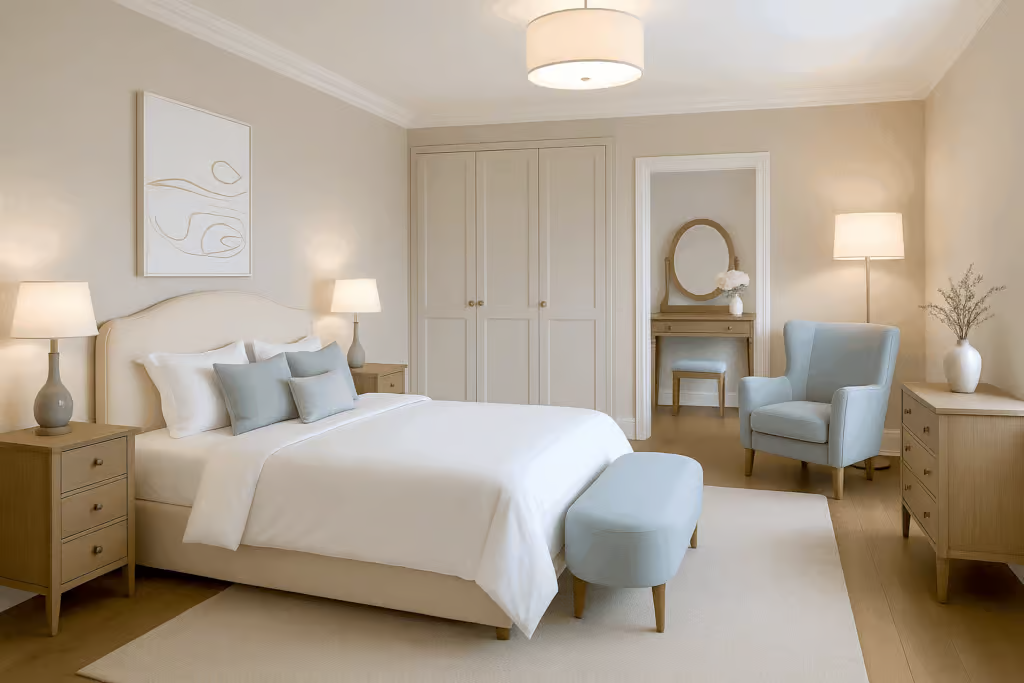
Never underestimate the psychological power of a fresh can of paint. It remains the absolute cheapest, highest-impact tool in the entire home design toolkit. Color dictates the emotional temperature of a room before you even have time to process the furniture.
You don’t need to lean into loud, aggressive accent walls to make a statement. Instead, look to soft, complex neutrals that shift beautifully as the daylight changes throughout the day. Earthy tones, warm sand, soft olive greens, and creamy whites create an open, timeless backdrop that makes inexpensive décor look incredibly sophisticated. If you are renting and painting the walls is out of the question, weave a cohesive color narrative through your textiles. Repeating a single, intentional hue—like a rich terracotta—across your curtains, a throw pillow, and a small piece of wall art will make the entire room feel unified and expensive.
Let Natural Light Do the Work
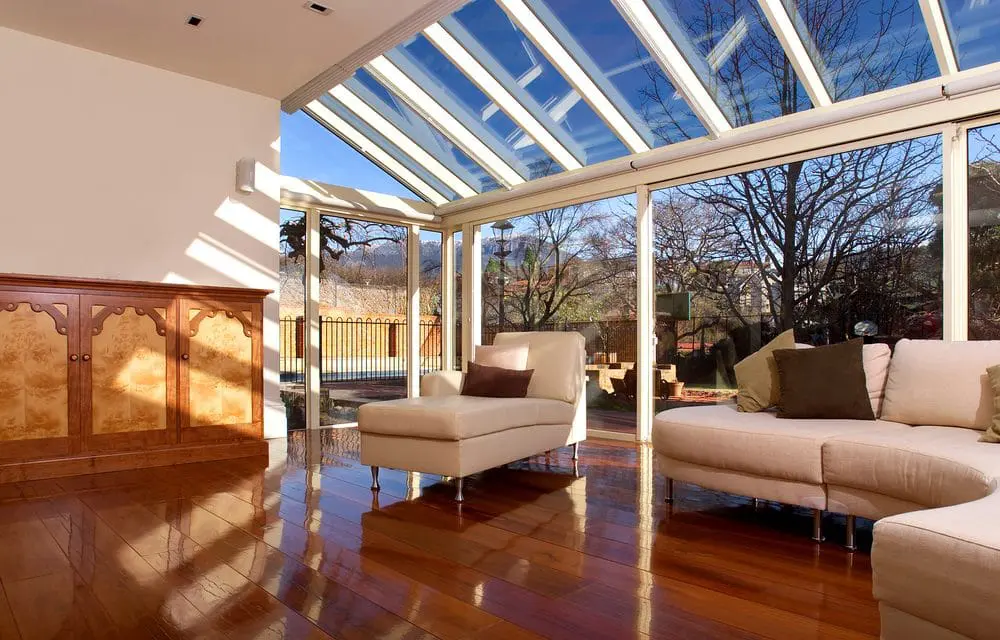
Light is the ultimate interior architect. A small, dark room can feel claustrophobic, but fill that same exact room with soft, abundant light, and it instantly feels expansive and premium. To maximize the natural light you already have, strip away heavy, dark drapery and replace it with inexpensive, sheer linen curtains that allow sunlight to filter softly into the space while maintaining your privacy. Keep your windows clean, and position low-profile furniture so it doesn’t block the path of incoming light.
“A mirror is a budget decorator’s secret weapon. It doesn’t just hang on the wall; it steals light from the outside and throws it into the darkest corners of your room.”
If you hang a large, simple mirror directly opposite a window, you effectively double your light source and trick the eye into thinking the room goes on forever. For evening hours or spaces completely starved of windows, ditch the harsh, aggressive overhead lighting. Turn off the “big light” and layer your illumination using affordable floor lamps, table lamps, and soft, warm-toned LED bulbs. This creates a landscape of light and shadow that makes any room feel instantly intimate and cozy.
Add Texture for a Cozy Feel
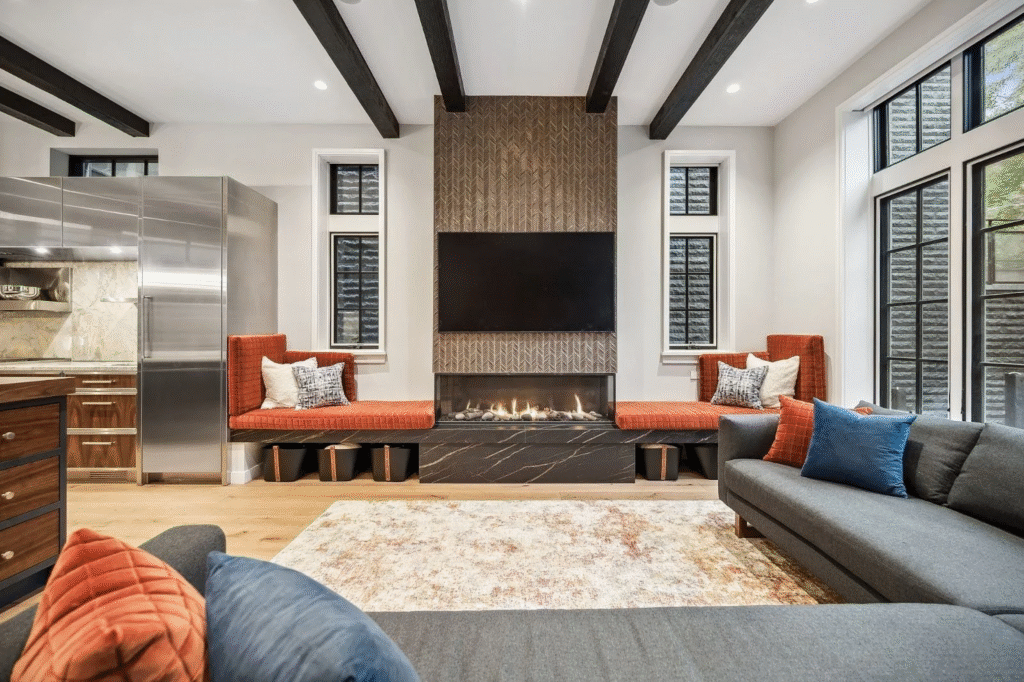
When a room feels flat, cold, or uninviting despite having beautiful furniture, it is almost always suffering from a lack of texture. Texture is the secret sauce that gives a space visual weight and depth. When you are decorating on a tight budget and can’t afford a lot of items, mixing different materials is how you make a minimal setup feel incredibly rich.
Think about contrasting textures in every glance. If you have a smooth leather couch, pair it with a rough, heavy-woven linen pillow. If your floors are sleek and dark, drop down an affordable, high-texture jute or shag rug. Mix in wooden bowls, woven baskets for storage, and matte ceramic vases. These varied surfaces catch the light differently, creating an intricate, layered aesthetic that feels thoughtful, expensive, and deeply comforting to the touch.
Choose Budget-Friendly Statement Pieces
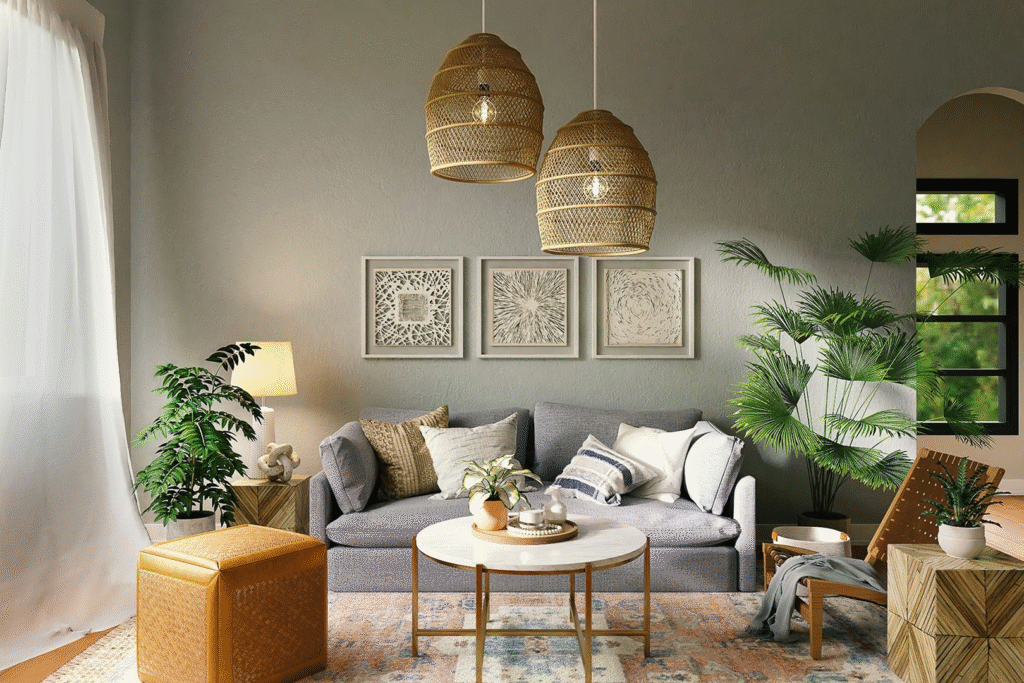
A major rookie mistake in budget decorating is buying a massive quantity of cheap, tiny knick-knacks to fill up every empty square inch of a room. This creates intense visual noise and makes a space look cluttered. Instead, adopt a minimalist mindset: save your energy and your cash for one or two high-impact statement pieces that anchor the entire room.
A singular, large-scale framed art print over your sofa will always look more elegant and intentional than a messy gallery wall of ten tiny mismatched frames. A single, beautifully shaped thrifted lamp on a side table can define a room’s character far better than five random decorative objects. Let these statement pieces do the heavy lifting, allowing the rest of the room to remain beautifully simple and quiet. Spend your weekends exploring secondhand markets, estate sales, or online classifieds—the most compelling statement pieces are almost always the ones that carry a little bit of history and patina rather than a brand-new barcode.
You can have a home filled with million-dollar pieces, but if every surface is buried under old mail, charging cords, discarded shoes, and random clutter, the space will feel inherently chaotic and stressful. Clean, clear surfaces cost absolutely nothing, yet they provide the ultimate sense of luxury and mental peace.
Bring in Natural Elements
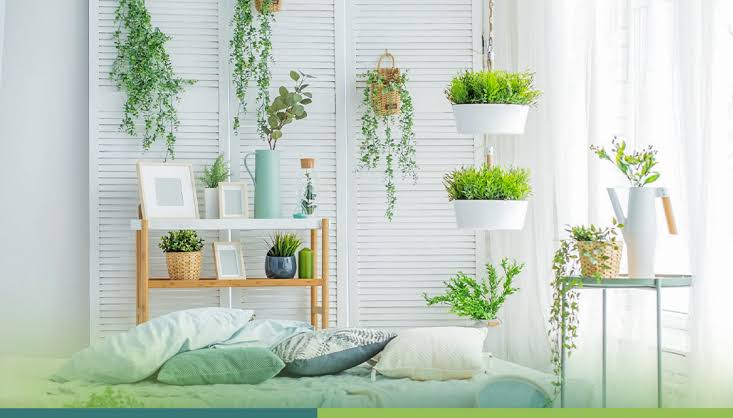
There is an undeniable, grounding energy that enters a room the moment you bring a piece of the outdoors inside. Natural elements break up the rigid, sharp lines of manufactured furniture and introduce organic, fluid shapes that soothe the human eye.
Houseplants are arguably the most cost-effective styling tool in existence. A massive, leafy monstera or a cascading pothos vine can fill an empty, awkward corner with vibrant color and life for a fraction of the cost of a piece of sculpture. If you don’t possess a green thumb, don’t worry—you don’t need a greenhouse. Simply clipping a few fresh, architectural branches from a tree in your yard and dropping them into a simple glass jar can create a breathtaking, dramatic centerpiece that costs absolutely nothing.
Dethroning clutter doesn’t mean you have to live in a sterile, white box devoid of human life. It simply means giving your belongings boundaries. Utilize beautiful woven baskets, covered boxes, and structured trays to corral the necessary items of daily life—like remote controls, keys, and magazines. When you hide the visual background noise, you give your favorite decorative objects, like a special book or a beautiful candle, the breathing room they need to actually stand out and be appreciated. A organized home naturally feels larger, calmer, and infinitely more upscale.
Make the Rooms You Use Most Feel Special
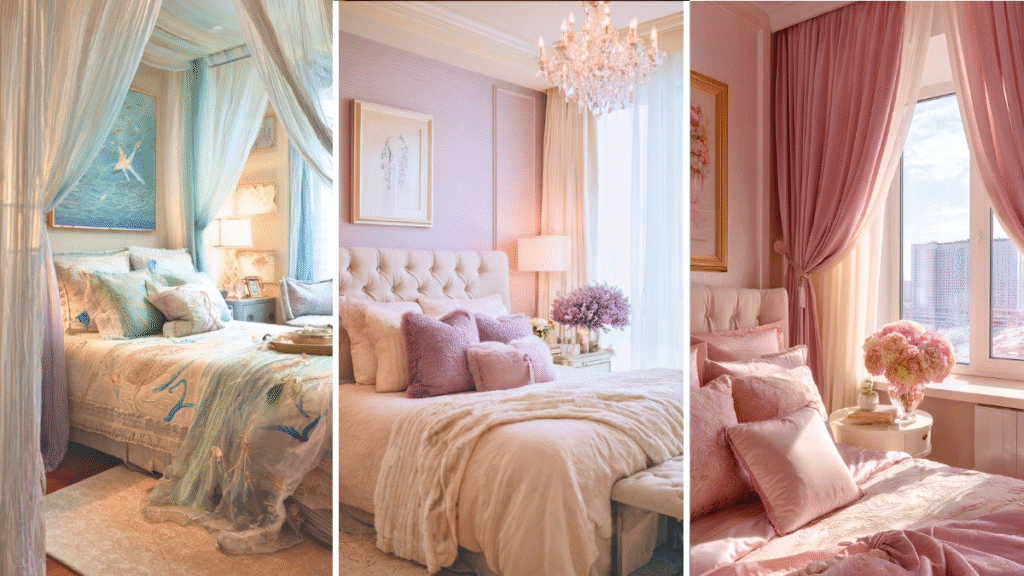
When you are working with a limited budget, trying to redecorate an entire house all at once is a surefire way to burn out creatively and stretch your finances so thin that no single room feels complete. Instead, gather your resources and focus your energy ruthlessly on the spaces where you actually spend the vast majority of your living hours.
If you spend your evenings unwinding in the living room, make that your creative laboratory. Focus on getting the lighting perfectly warm, the seating exceptionally cozy, and the layout functional for your lifestyle. If you are a passionate home cook, focus on organizing your kitchen counters, displaying your prettiest cutting boards, and making the space feel like an inspiring workshop. By creating one or two completely finished, deeply comforting zones in your home, you secure a reliable sanctuary to enjoy right now, while the rest of the house can evolve slowly over time.
Create a Home That Feels Good to Live In
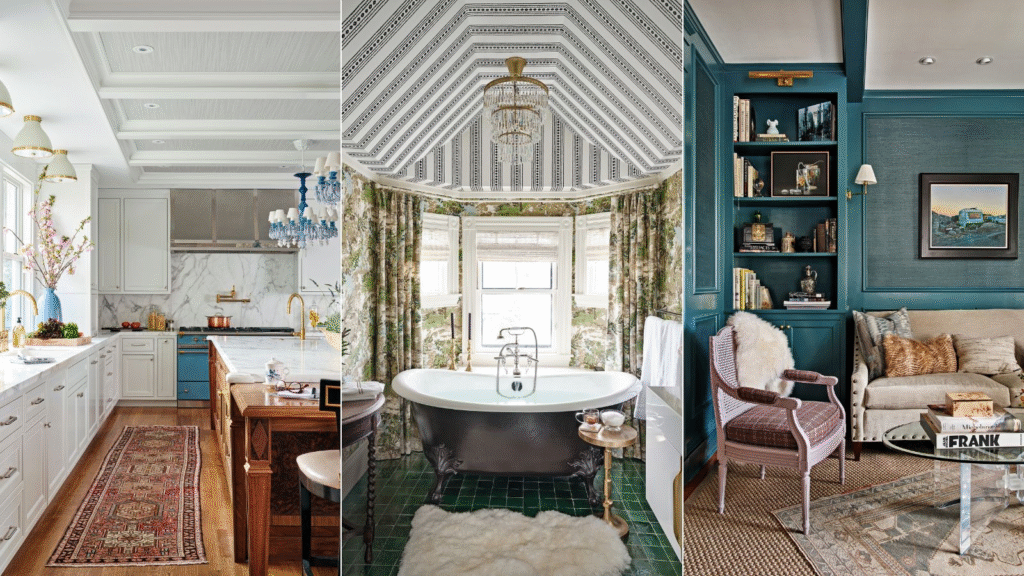
At the final whistle, home design is not an elitist sport meant to impress your neighbors or pass some arbitrary design test. It is a deeply personal act of self-care. A beautiful home is ultimately judged not by its monetary value, but by how deeply it allows you to recharge your batteries and how beautifully it supports your daily human existence.
Budget-conscious decorating forces you to be highly thoughtful, slow down, and build a space piece by piece with genuine intent. It strips away the superficial hype and grounds you in what truly matters: comfort, warmth, simplicity, and love. Your home doesn’t need to be structurally perfect, and it certainly doesn’t need to be expensive. It only needs to open its door, breathe warmth into your life, and serve as an authentic reflection of the beautiful, messy human journey taking place inside its walls.
FAQ’S
1. How can I decorate my home on a budget?
Reuse existing furniture, declutter, add affordable décor, and use DIY decorating ideas.
2. What makes a home feel cozy?
Soft lighting, comfortable furniture, warm colors, and personal decorative touches create a cozy atmosphere.
3. How can I make a small home look bigger?
Use light-colored walls, mirrors, smart storage, and multi-functional furniture to maximize space.
4. What are the best budget-friendly home décor ideas?
Add indoor plants, decorative cushions, wall art, rugs, and stylish storage baskets.
5. Why is home organization important?
An organized home reduces clutter, improves functionality, and creates a more relaxing living environment.