
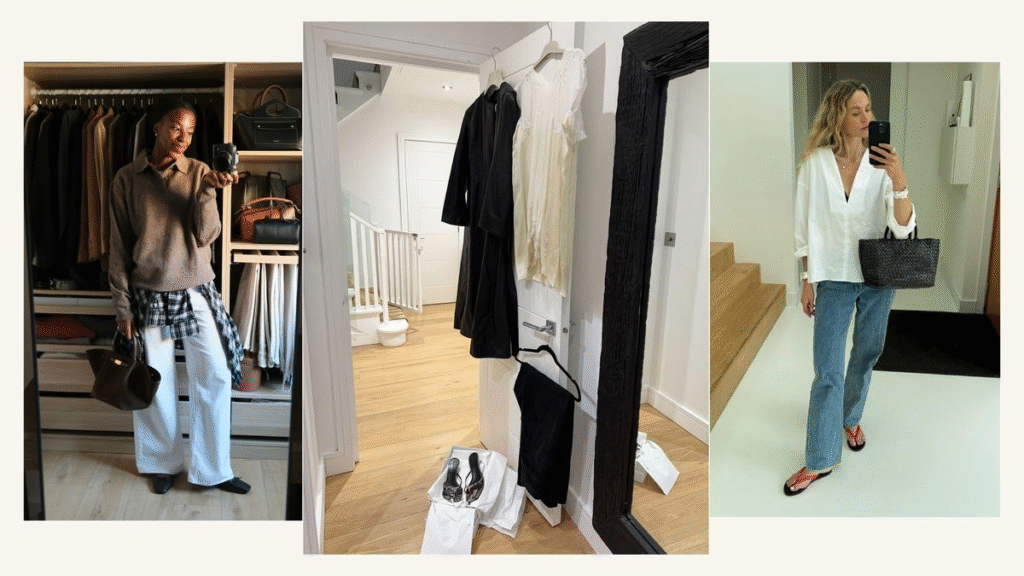
Fashion has never been merely about cloth, thread, and silhouette; it is an intimate, daily act of self-translation. It is the visual dialect through which we project our inner identity to the world, calibrate our confidence, and navigate the complex social architectures of modern life. Every era develops its own distinct design philosophy, shaped by economic shifts, technological leaps, and evolving human values. In 2026, fashion has reached a fascinating, highly sophisticated inflection point. We are witnessing a profound shift away from the relentless, hyper-disposable cycles of fast fashion toward a philosophy rooted in intentionality, physical ease, material intelligence, and radical individuality.
Today’s style landscape no longer demands that we sacrifice physical comfort on the altar of elegance, nor does it insist that we conform to arbitrary, short-lived seasonal trends. Instead, the contemporary fashion lover approaches their closet like an art curator. The focus has firmly pivoted toward building a high-utility, emotionally resonant wardrobe—one where timeless tailoring meets relaxed street ergonomics, and where every garment earns its place through longevity, versatility, and flawless fit. Whether you are conducting a complete closet overhaul, refining your signature aesthetic, or simply seeking to streamline your morning routine, understanding the core movements of 2026 fashion will help you dress with effortless poise and purpose.
The Core Philosophy of 2026: Elevating Comfort into High Elegance
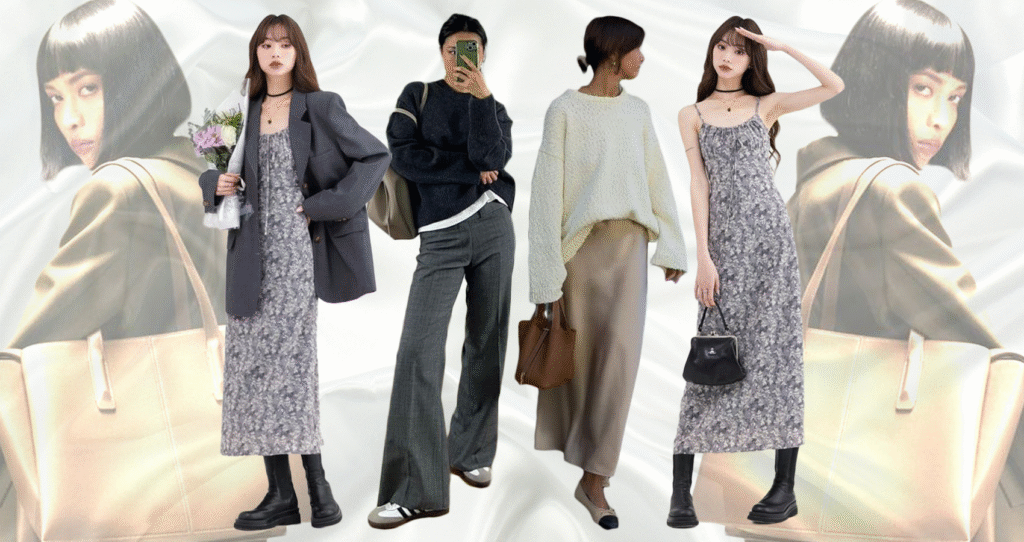
The defining aesthetic thesis of 2026 is the total erasure of the boundary between formal structure and casual ease. For decades, traditional menswear and womenswear operated on a rigid binary: clothing was either crisp, structured, and restrictive (for the office and formal events) or soft, slouched, and shapeless (for home and leisure). Modern textile innovation and shifting work-life patterns have rendered that division completely obsolete.
Building the Anvil: The High-Utility Capsule Foundation
The secret to keeping these basic elements from looking bland lies in textural variation and nuanced color palettes. Rather than relying purely on stark, harsh blacks and bright whites, 2026 grounds its foundations in rich, complex neutrals: bone, deep espresso, slate charcoal, oat, and taupe. When an ensemble combines matte cotton, glossy silk, brushed suede, and structural wool—even within a single tonal family—it instantly reads as rich, multidimensional, and deeply considered.
A truly functional wardrobe is built like a house: if the foundation is weak, no amount of decorative ornamentation will make it stand. The modern wardrobe relies on a rock-solid core of capsule essentials. These are the workhorse garments that pair seamlessly with one another, generating maximum outfit permutations with minimal visual friction.
Deep Dive into Key 2026 Wardrobe Pillars
The Architectural Oversized Blazer
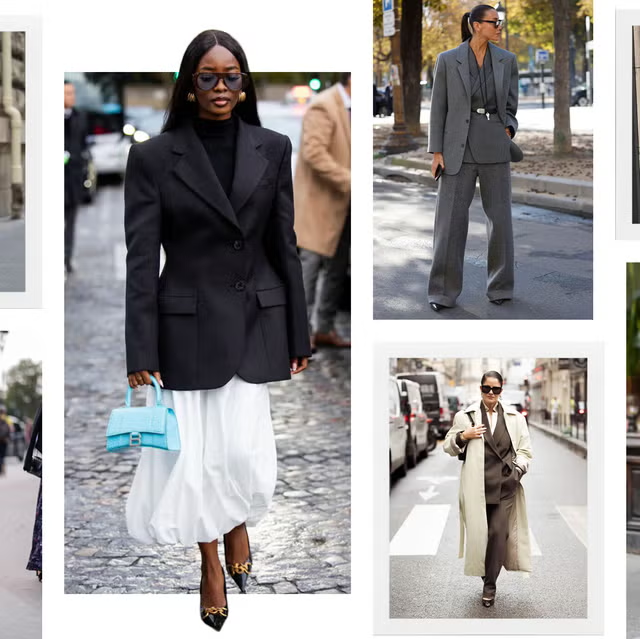
The oversized blazer is no longer a temporary borrowing from 1980s power dressing or menswear borrowing; it has permanently cemented its status as a core structural garment. The modern iteration balances exaggerated proportions with refined shoulder drops and elongated hem lines.
- The High-Low Contrast: Wear an oversized charcoal double-breasted blazer over a plain heavy-gauge white tee, relaxed vintage-wash straight jeans, and clean leather sneakers for the ultimate urban uniform.
- Professional Sharpness: Belt the blazer at the waist with a minimalist leather strap over wide-leg trousers and pointed-toe boots to create a dramatic, hourglass-tailored silhouette that commands attention in any boardroom.
Volumetric & Wide-Leg Trousers
The dramatic shift away from body-hugging skinny trousers toward wide-leg, pleated volume represents one of the most liberating trends of the current era. Wide-leg trousers create a sweeping, architectural line that lengthens the leg while offering complete freedom of physical movement.
Elevated, Considered Denim
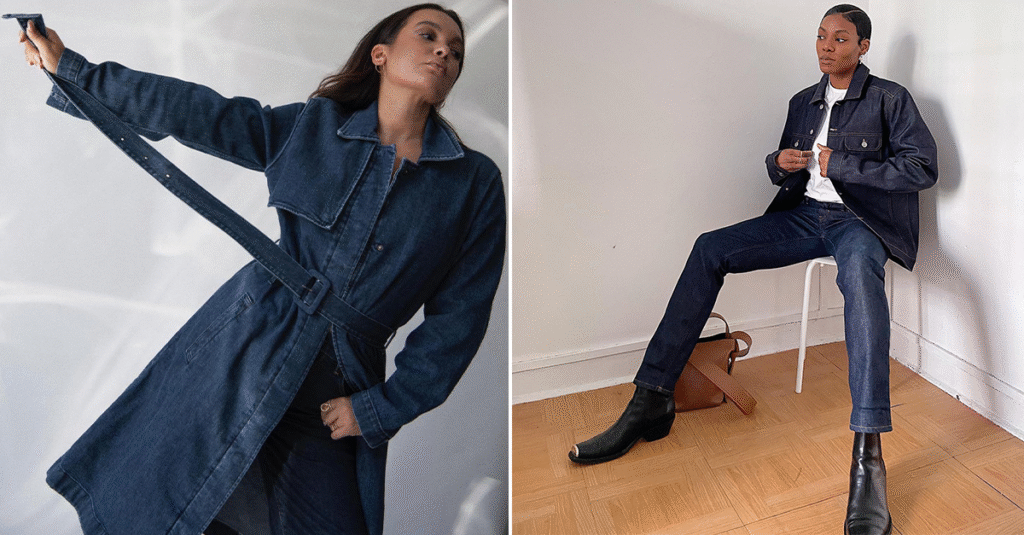
Denim in 2026 has returned to its roots of quality, weight, and authentic structure, turning away from heavily distressed, micro-plastic stretch denim. The focus is now on mid-to-heavyweight 100% cotton selvedge denim in rich indigo, mid-tone stone washes, and raw ecru.
Sartorial Rule: High-grade denim should hold its own shape while softening over time to conform to the wearer’s body. Look for straight-leg, relaxed-taper, or wide-barrel cuts that sit comfortably at the high waist, avoiding artificial distressing in favor of clean, architectural hems.
Footwear Dynamics: The Fusion of Support and Aesthetics
The global shift toward functional, walkable fashion has transformed footwear design. The era of enduring painful, poorly engineered shoes purely for fashion’s sake is over. Modern footwear combines sleek, high-end aesthetics with advanced orthotic engineering, shock-absorbing soles, and premium anatomical footbeds.
A pristine, low-profile white leather sneaker can now be worn with a fully tailored suit or a silk slip dress without looking out of place. Simultaneously, thick-soled lug loafers and square-toe glove flats add a sharp, grounded weight to flowing midi skirts and wide-leg trousers, proving that real style operates on a foundation of physical comfort.
Color Theory & Material Palette in 2026
Color selection in 2026 is deliberate, atmospheric, and deeply tied to nature. While neutral bases form the anchor of the wardrobe, strategic accent colors bring vibrancy, mood, and seasonal depth to your looks.
The Art of Monochromatic and Tonal Dressing
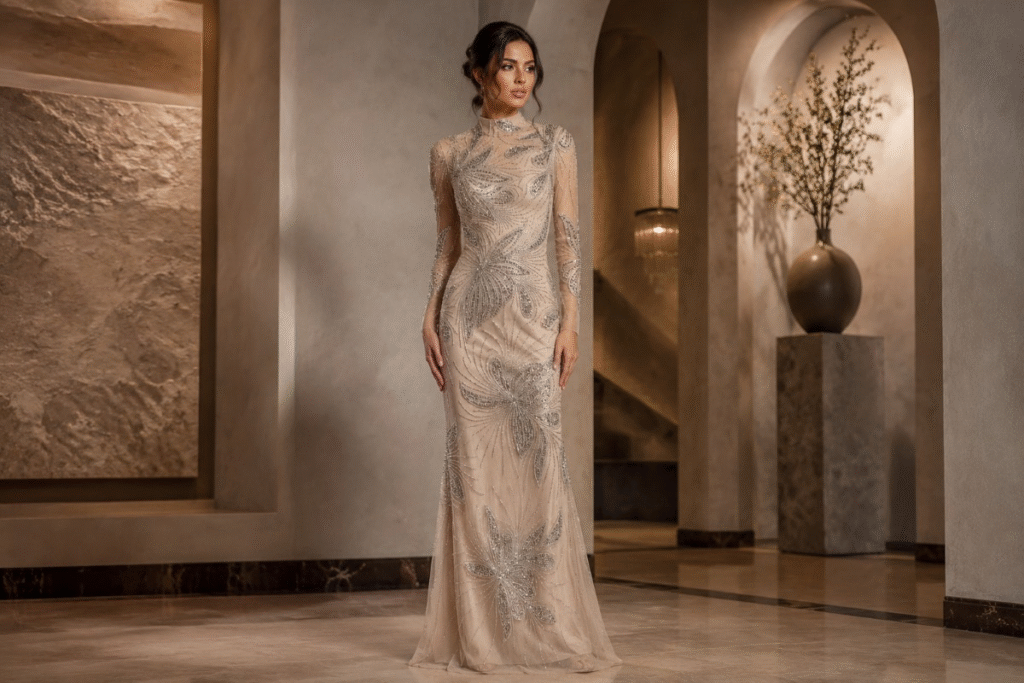
Dressing head-to-toe in a single color family—such as layering varying tones of camel, oat, and ivory—is one of the fastest, most effective ways to instantly elevate your look. Monochromatic styling creates a long, uninterrupted vertical line that flatters every body type while projecting an aura of quiet luxury and intentional design.
Conscious Fashion: From Fast Trends to Circular Wardrobes
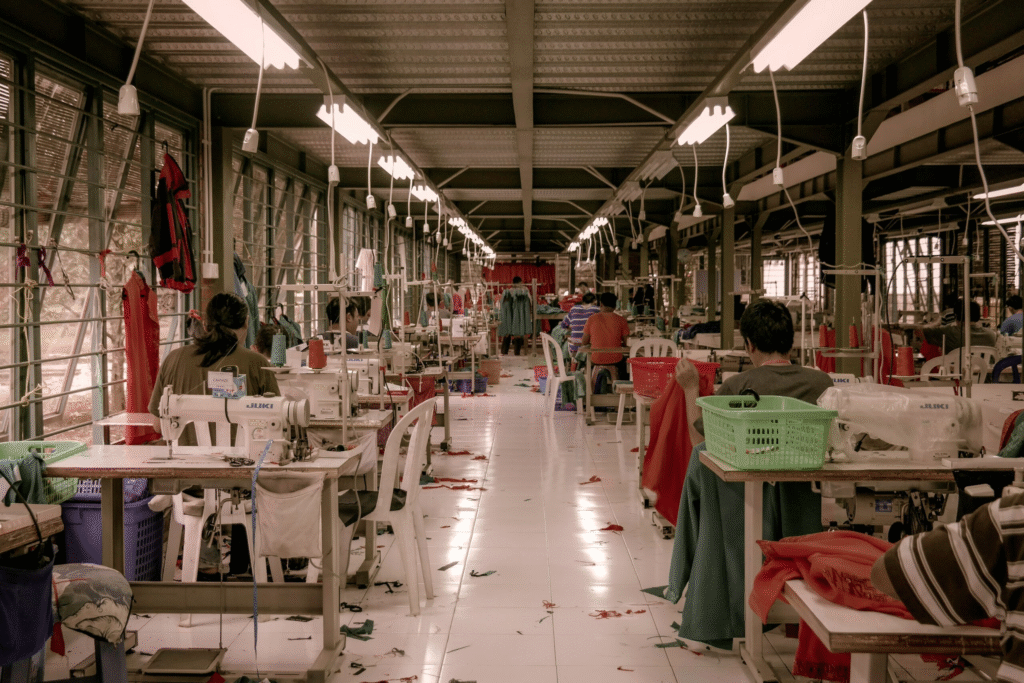
The modern fashion conversation can no longer ignore the environmental realities of textile production. In 2026, true style is inextricably linked to environmental responsibility. Consumers are rejecting the toxic, high-volume cycle of ultra-fast fashion in favor of mindful consumption, garment care, and circular clothing systems.
Building a sustainable wardrobe does not require you to throw everything out and start over. Instead, it begins with caring for the clothes you already own: using garment steamers instead of harsh dry-cleaning, washing items at lower temperatures, storing knits flat to prevent stretching, and repairing small tears or replacing buttons. When buying new pieces, prioritizing natural fibers like wool, linen, organic cotton, silk, and hemp ensures your clothes age gracefully, develop character, and last for years.
Masterclass in Layering and Proportional Balance
Proportional Golden Rule: Balance volume with structure. The Structural Outer Anchor: Top the outfit with an architectural piece that ties the look together—a long wool trench coat, a heavy leather jacket, or a structured oversized blazer.
If your lower half is wearing wide, sweeping, volumetric trousers, keep your top tucked in or choose a slightly more structured upper layer to define your waist and prevent the outfit from overwhelming your frame.
Mastering the art of layering is what separates someone who simply wears clothes from someone who truly understands styling. The Fitted Base: Start with a sleek, body-skimming foundation, such as a rib-knit tank, a high-neck bodysuit, or a fine silk-cashmere top. This keeps the core silhouette streamlined.
Layering transforms a collection of individual garments into a dynamic, complex, and visually engaging outfit.
Accessories as Intentional Punctuation
In a wardrobe focused on high-utility basics and clean lines, accessories act as the exclamation points that complete every sentence. Rather than overloading an outfit with fleeting, trendy items, 2026 favors sculptural, timeless, and high-craftsmanship accessories.
A simple outfit consisting of plain straight-leg denim and a white t-shirt undergoes a total transformation when paired with a rich cognac leather belt, a sculptural gold cuff, dark acetate sunglasses, and an architectural leather tote. Accessories give you the power to shift the tone of your outfit from casual to formal in seconds without needing a full wardrobe change.
Cultivating Authentic Personal Style Over Trend Slavery
The ultimate goal of modern fashion is not to look like a mannequin copied straight from a runway or social media feed; it is to cultivate a signature personal style that feels undeniably authentic to your lifestyle, body, and personality.
Trends are meant to be options on a menu, not strict rules you must follow. Pay attention to how different colors, cuts, and fabrics make you feel when you put them on. When you wear clothes that fit your body well, support your daily movements, and mirror your inner self, you naturally project an effortless air of confidence. In 2026 and beyond, that self-assured confidence remains the single most fashionable thing you can wear.
FAQ’S
1. What are the biggest fashion trends in 2026?
Oversized blazers, wide-leg pants, sustainable fashion, minimalist styles, and comfortable footwear are among the top trends.
2. How can I build a stylish wardrobe on a budget?
Focus on timeless basics, invest in versatile pieces, and mix them with a few trendy accessories.
3. Why is sustainable fashion important?
Sustainable fashion helps reduce environmental impact while encouraging the use of high-quality, long-lasting clothing.
4. What are the must-have wardrobe essentials for 2026?
A white shirt, tailored blazer, classic jeans, neutral T-shirts, comfortable sneakers, and a versatile dress are key essentials.
5. How do I find my personal fashion style?
Experiment with different outfits, choose clothes that suit your lifestyle and body type, and wear pieces that make you feel confident and comfortable.