
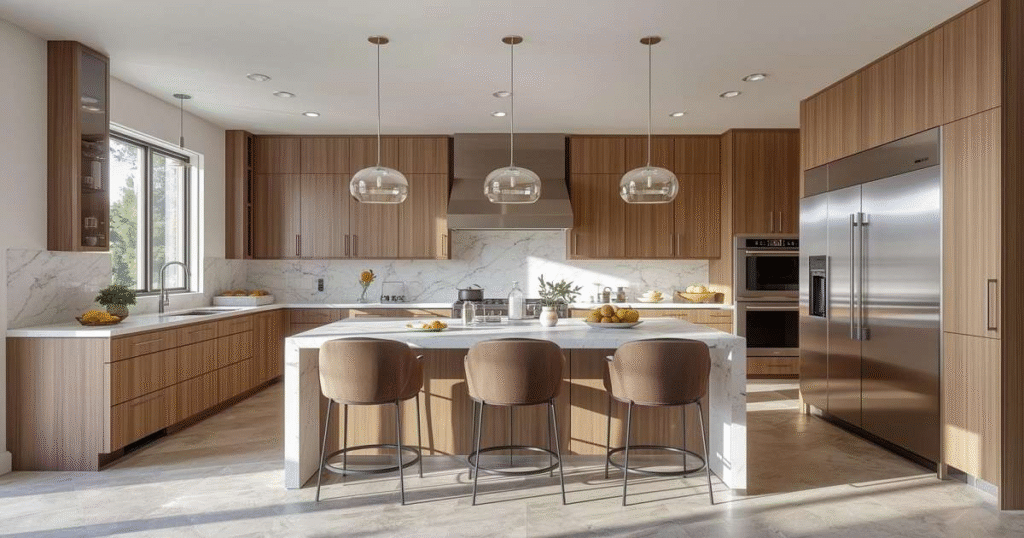
We’ve all done it—scrolling through interior design feeds at midnight, staring at pristine, sun-drenched living rooms and kitchen without a single stray coffee mug or rogue power cord in sight, and letting out a heavy sigh.
There is a massive, highly profitable illusion floating around that creating a beautiful home requires a gut renovation, a team of contractors, and an unlimited budget for designer furniture. We are subtly told that our spaces only look good if they resemble a boutique hotel or a minimalist gallery.
But let’s be completely honest: real, messy, beautiful human lives don’t happen in a museum.
A truly beautiful home has very little to do with matching furniture sets or expensive, trendy decorations. It’s about the feeling that washes over you the second you unlock the front door after a brutal day. It is the canvas where your morning begins over a quiet cup of coffee and where your evening wraps up. It’s where recipes fail and succeed, where deep conversations happen over a cluttered kitchen island, and where everyday moments turn into memories. Whether you are living in a compact rental apartment or a spacious family house, the goal isn’t to chase picture-perfect aesthetic points—it’s to create a sanctuary that breathes with you.
Find Your Anchor Before You Spend a Dime
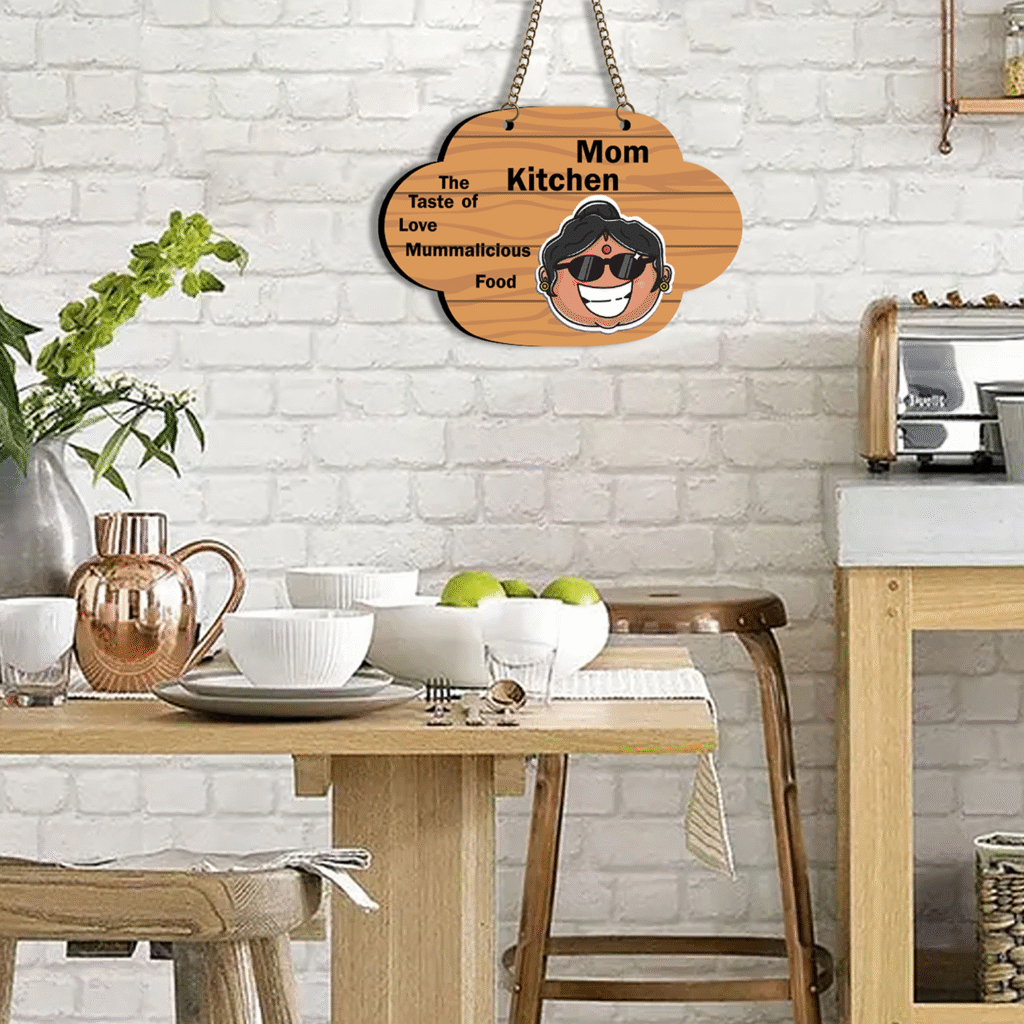
The most memorable homes don’t look like carbon copies of a showroom; they look and smell like the people who inhabit them. When you align your decor choices with your actual personality and daily routines, your home naturally starts to feel cohesive, balanced, and deeply grounding.
The fastest way to create a home that feels disjointed and stressful is to buy random decorative objects just because they looked pretty on a store shelf or a social media ad. When we do this, we end up decorating for a fantasy lifestyle instead of our actual reality.
Before you buy anything new, sit down in your favorite chair and take a quiet inventory of how you actually want your space to feel.
- Do you crave a stark, minimalist environment with clean lines and zero visual clutter to calm a chaotic mind?
- Or do you naturally gravitate toward a warm, lived-in space packed with old books, soft textiles, and personal nostalgia?
The Great Purge: Decluttering as an Act of Self-Care
You can buy the most gorgeous, high-end sectional sofa on the market, but if it’s buried under a mountain of unfolded laundry, junk mail, and Amazon boxes, the beauty evaporates. Visual clutter acts as a constant, low-grade tax on your nervous system. Every stray object screaming for your attention is a tiny item on a physical to-do list you haven’t finished.

Decluttering isn’t about throwing away everything you own to live in an empty white box; it’s about editing your life down to what serves you.
| Instead of… | Try This Focused Approach… | The Emotional Shift |
|---|---|---|
| Tearing apart the whole house in a weekend frenzy | Tackling one single drawer or shelf on a Tuesday night | Prevents burnout and builds sustainable momentum. |
| Keeping items out of pure guilt or obligation | Keeping only what is genuinely useful, beautiful, or deeply meaningful | Frees up physical space and relieves mental weight. |
When you clear out the excess stuff you neither use nor love, you give your home—and your brain—room to breathe. An organized, clean environment immediately lowers the ambient anxiety of a household.
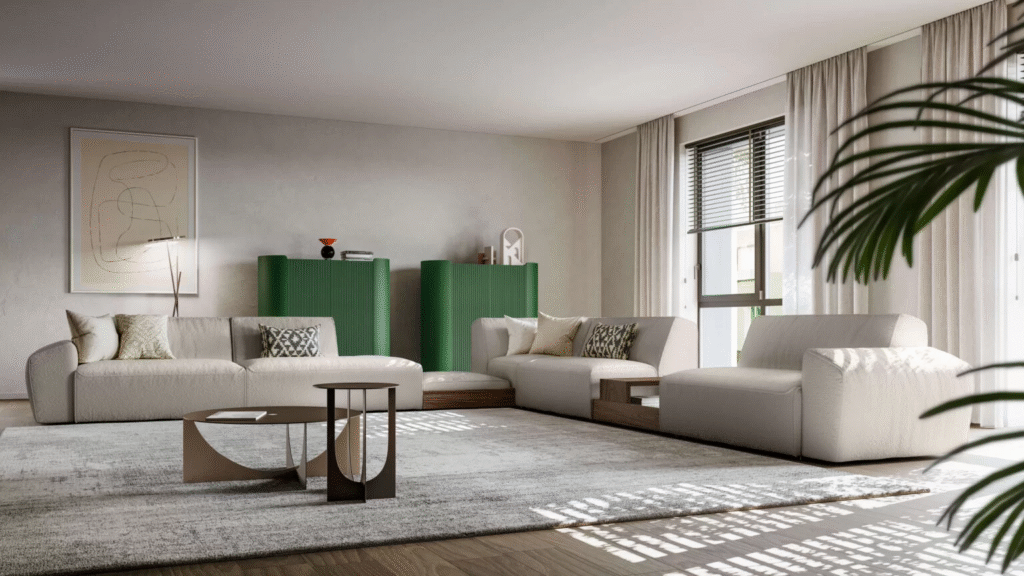
If a chair looks incredibly chic but makes your back ache after ten minutes of sitting, it isn’t good design—it’s an obstacle. A home must be comfortable, or it fails at its core human purpose.
True comfort is tactile. It’s found in a plush, oversized throw blanket slung over the side of a couch, a set of incredibly soft linen sheets, and rugs that feel wonderful under bare feet. It’s also about bringing elements of the natural world indoors. Adding a few resilient houseplants introduces literal life and air into a room, while textures like raw wood, woven jute, and soft cotton add visual warmth without crowding the space. People will rarely remember the specific brand of your coffee table, but they will always remember how relaxed they felt while sitting around it.
The Kitchen: Managing the Chaos of the Heart of the Home
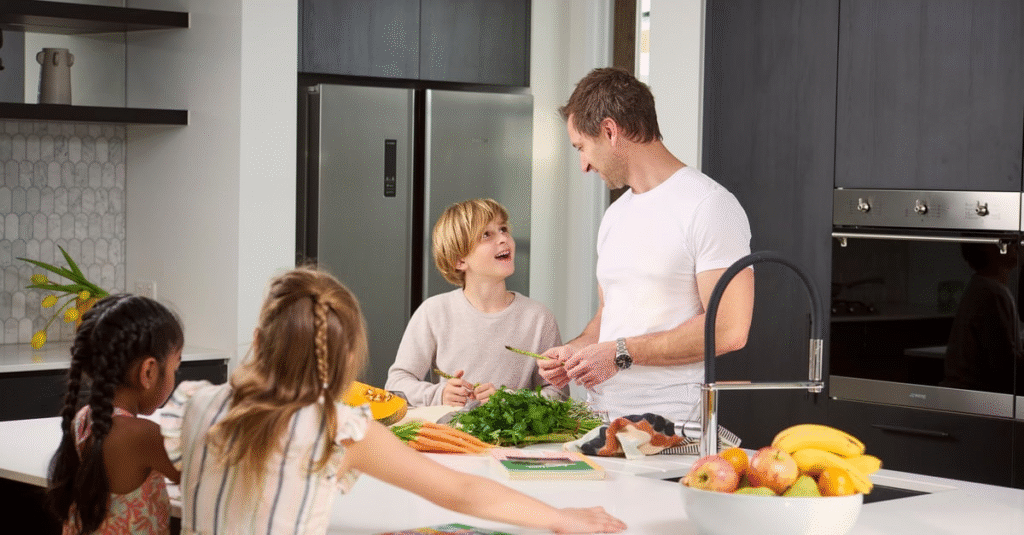
They call the kitchen the heart of the home for a reason. It’s the high-traffic zone where everyone naturally congregates, which also means it is the fastest room to descend into total, unadulterated chaos. A beautiful kitchen isn’t one that looks like it’s never been cooked in; it’s one that makes the act of cooking feel smooth and intuitive rather than frustrating.
Good kitchen design is all about functional placement. Store your life based on how your body actually moves through space:
Keep your countertops as clear as humanly possible. If your counters are covered in air fryers, blenders, and mail piles, you don’t have a workspace—you have a storage unit. Invest in simple drawer organizers, pull-out baskets, and uniform jars for your staples. When everything has a logical home, cooking transforms from a stressful chore into a grounding, creative daily ritual.
Choose a Color Palette that Plays the Long Game
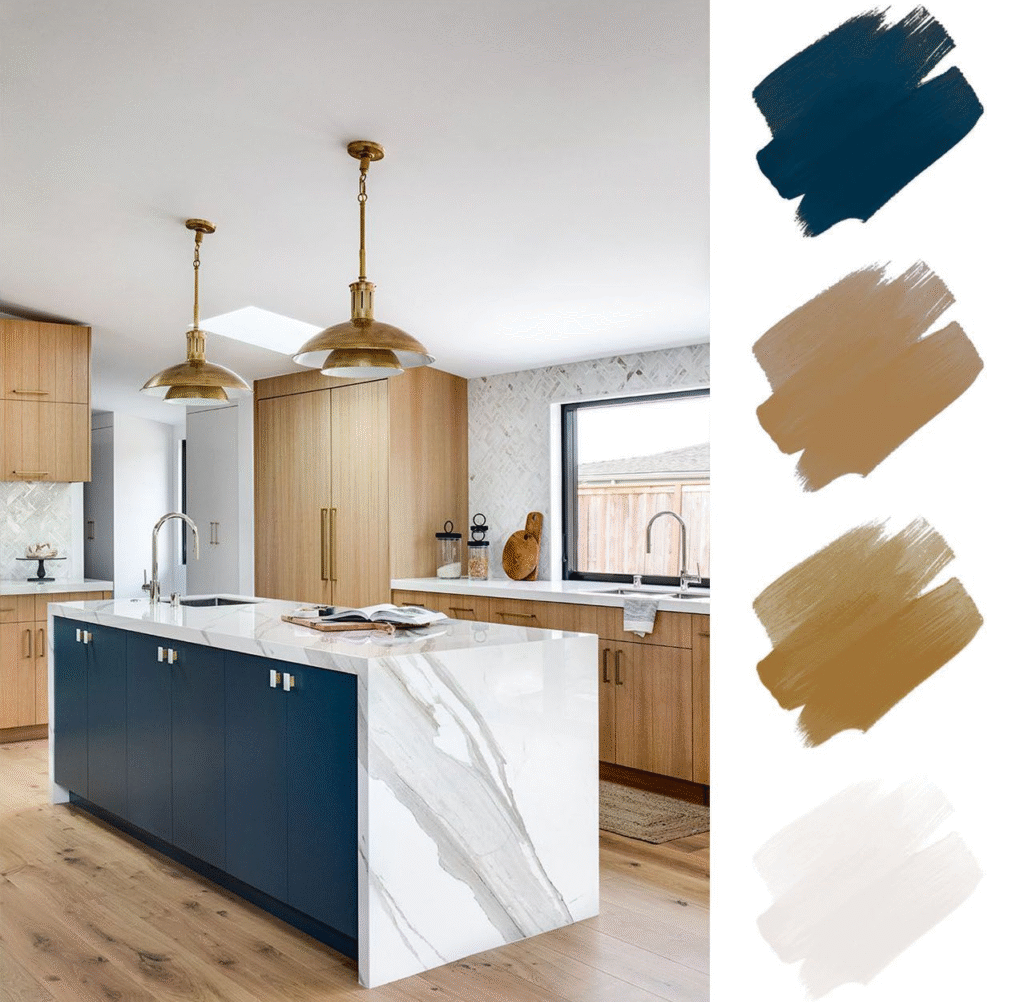
Color possesses a radical ability to completely dictate the mood of a room. Loud, hyper-trendy colors might look exciting for a season, but they often lead to visual fatigue faster than you think.
If you want your home to feel like an oasis of calm, stick to a grounding foundation of timeless neutrals: warm creams, soft beiges, muted greys, and gentle earth tones. These shades bounce light beautifully and create an immediate sense of openness.
Once your heavy hitters—like your walls and major furniture pieces—are anchored in classic neutrals, you can play with color risk-free. You can introduce pops of vibrant color through easily swappable elements like throw pillows, artwork, ceramic vases, or a vintage rug. This allows your home to effortlessly evolve alongside your changing tastes without requiring a massive paint job every two years.
Paint Your Rooms with Light
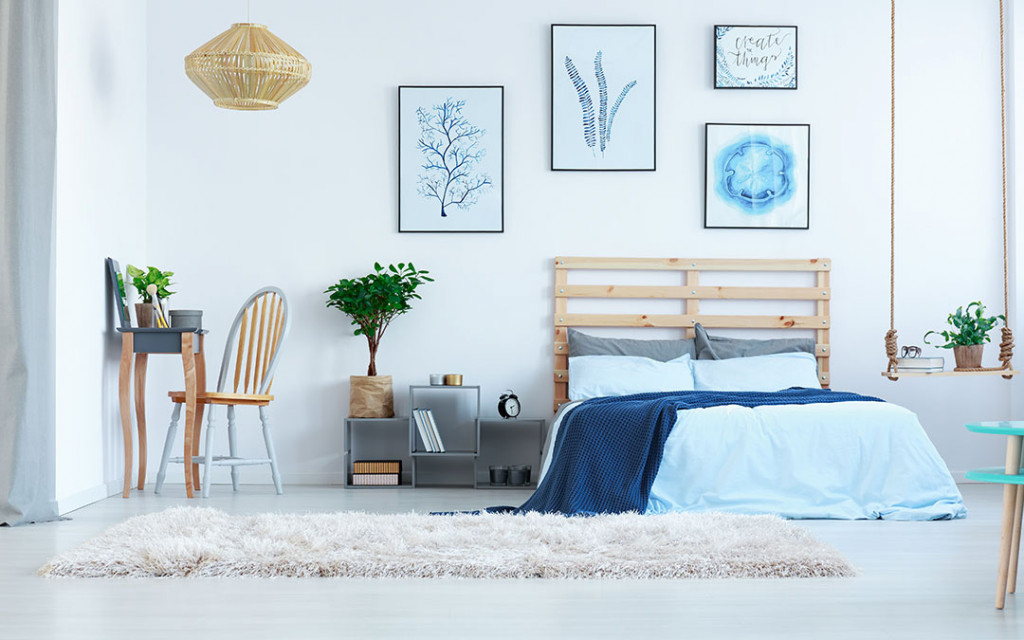
Lighting is the ultimate interior design superpower. You can have a room styled by a professional, but if it’s illuminated by a single, harsh, buzzing fluorescent ceiling bulb, it will feel cold and clinical.
During the day, maximize your natural light. Keep your windows clean, pull back heavy drapes, and let the sun do the work. Natural light instantly makes an ordinary room feel larger, fresher, and more inviting.
When the sun goes down, switch to a layered lighting strategy. Turn off the big “big light” on the ceiling and instead turn on a mix of table lamps, floor lamps, and even candles spread across the room at different heights. Opt for warm-white bulbs rather than cool-white ones. Layered, warm lighting softens the sharp edges of a room, creates pockets of cozy intimacy, and signals to your brain that it is safe to finally unwind and relax.
Inject Your Literal Story Into the Space
Stop buying mass-produced, generic artwork and matching decor bundles from big-box retailers just to fill an empty shelf. Leave the shelf empty until you find something that actually means something to you. Display the quirky ceramic bowl you found at a flea market on vacation, frame the candid family photograph that makes you laugh every time you look at it, pile up the books you’ve actually read, and showcase the handmade art your kids made. These personal touches add texture, warmth, and character. They tell the raw story of who you are and where you’ve been.
Establish Easy, Life-Giving Daily Habits
No amount of design genius can save a home where cleanliness is completely neglected. However, keeping a clean home shouldn’t require a grueling, all-day cleaning marathon every single weekend.
True maintenance is built on tiny, low-effort daily habits that keep the chaos at bay. Make your bed the moment your feet hit the floor in the morning—it takes sixty seconds but visually resets the entire bedroom. Wash your dishes or load the dishwasher immediately after eating so your morning starts with a clean sink. Wipe down the kitchen counters before bed. Spend five minutes putting stray objects back in their designated homes before you go to sleep. These microscopic micro-habits prevent clutter from snowballing into an overwhelming monster, keeping your home consistently peaceful and always ready for unexpected guests.
Embrace the Beautiful Architecture of an Evolving Life

A home is never truly “finished,” and it shouldn’t be. Just as you grow, change careers, welcome new family members, take up new hobbies, and age, your living spaces should naturally bend and adapt alongside you.
Maybe your guest room needs to transform into a home office, or your pristine coffee table needs to be traded for a soft ottoman because a toddler is learning to walk. Embrace those shifts. Drop the impossible standard of achieving a static, flawless home. Focus instead on creating a flexible, functional environment that fully supports your daily habits and loves the people inside it. Enjoy the slow, lifelong process of shaping a house into a home—one small, intentional choice at a time.
FAQs
1. How can I make my home and kitchen look more beautiful?
Focus on organization, good lighting, functional furniture, and simple décor that reflects your personal style.
2. What are the essential elements of a well-designed kitchen?
A functional layout, smart storage, quality lighting, and efficient appliances are key elements.
3. How often should I organize my home and kitchen?
A quick weekly tidy-up and a deeper monthly organization session help keep spaces clutter-free.
4. Can I create a beautiful home on a budget?
Yes. Small updates like repainting, decluttering, adding plants, and using affordable décor can make a big difference.
5. Why is home organization important?
An organized home saves time, reduces stress, improves productivity, and creates a more comfortable living environment.