
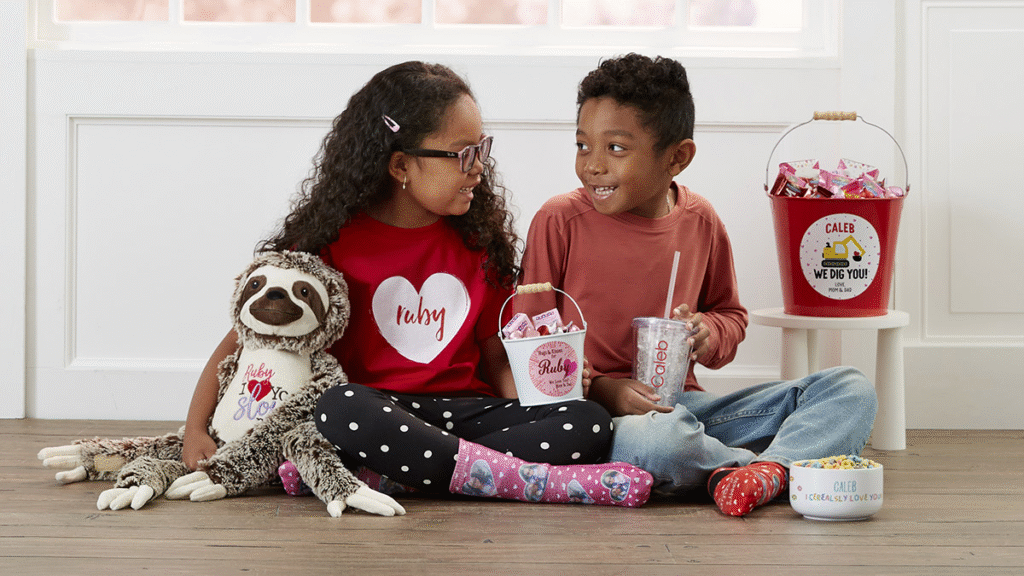
We have all been there: you spend hours scouring online reviews, tracking down the Gift hottest, most talked-about toy of the season, and spending a small fortune on it. Then, on the big day, the kid tears open the wrapping paper, squeals with excitement, plays with the toy for exactly twelve minutes, and spends the rest of the afternoon happily playing inside the cardboard box it came in.
It is the ultimate reality check for gift-givers.
Finding a great present for a kid isn’t about buying the loudest, shiniest, or most expensive item on the shelf. It’s about finding that sweet spot where a child’s natural curiosity meets an activity that lets them explore, create, or just move.
Here is a down-to-earth, realistic guide to picking presents that kids will actually play with—and that parents won’t secretly want to throw in the trash while everyone is asleep.
Demystifying the Child Gift: What Kids Actually Care About
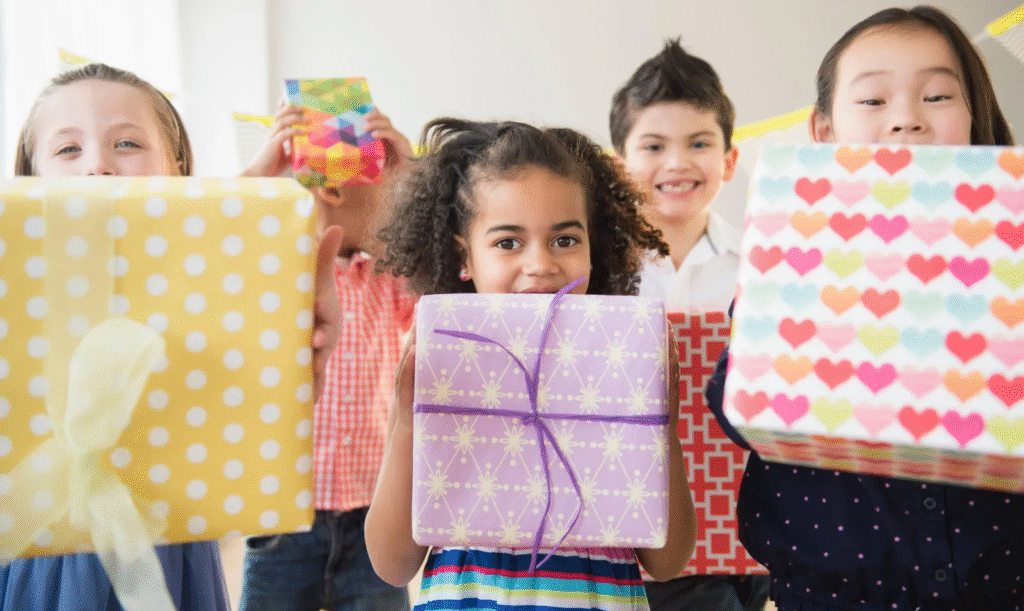
Before we look at specific categories, we need to dismantle a major myth: kids do not care about price tags or brand names. They care about engagement.
A high-value gift is one that can be played with in multiple ways over several months, if not years. When you are standing in the toy aisle, try to categorize potential purchases into two distinct buckets:
| Passive Toys (Avoid) | Active Toys (Target) |
| Toys that do the playing for the kid (press a button, it sings a song, and that’s it). | Toys that require the kid to do the work (building, inventing, imagining). |
| Rigid, single-use kits that can only be assembled one specific way. | Open-ended materials that can become a castle today and a spaceship tomorrow. |
| Cheap plastic novelties that break within forty-eight hours. | Sturdy, well-made tools, books, or gear that can survive a trip to the backyard dirt pile. |
1. The Builders and Thinkers: Toys That Spark Logic
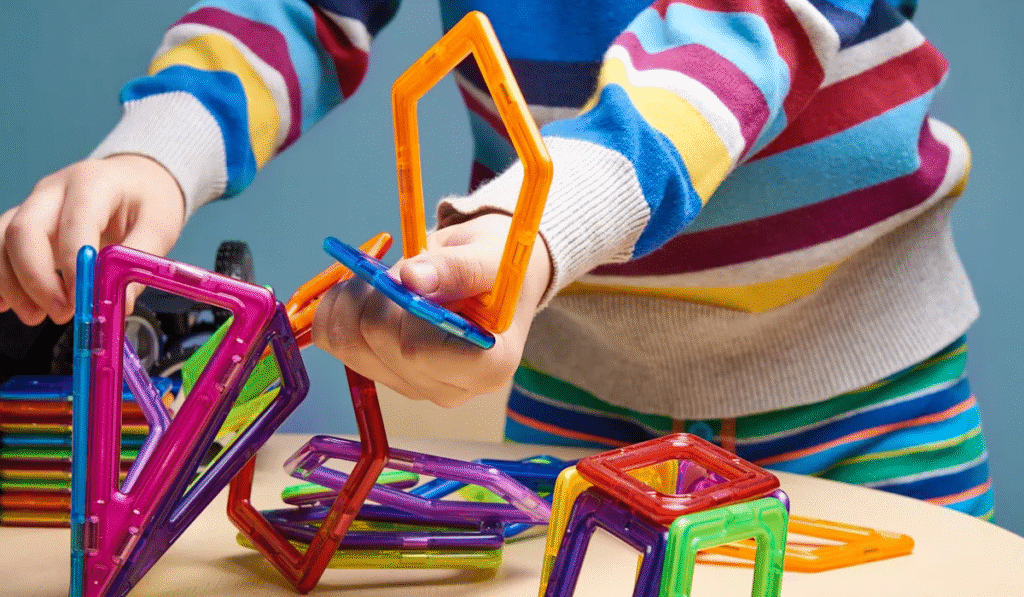
If you want to buy a physical toy, building sets are the undisputed heavyweight champions of the playroom. There is a reason items like wooden blocks, classic bricks, and magnetic tiles have survived for generations: they grow with the child.
- Magnetic Tiles: Perfect for younger kids because they stick together effortlessly, teaching spatial awareness and geometry without feeling like a math lesson.
- Engineering and Coding Kits: For older kids, kits that let them build a simple working robot, construct a marble run, or perform safe chemistry experiments in the kitchen tap into that primal desire to figure out “how things work.”
The magic of these toys is that they build frustration tolerance. When a tower collapses, a child doesn’t just fail; they learn how to rebuild it stronger.
2. Creative Outlets: Tools for the Imagination
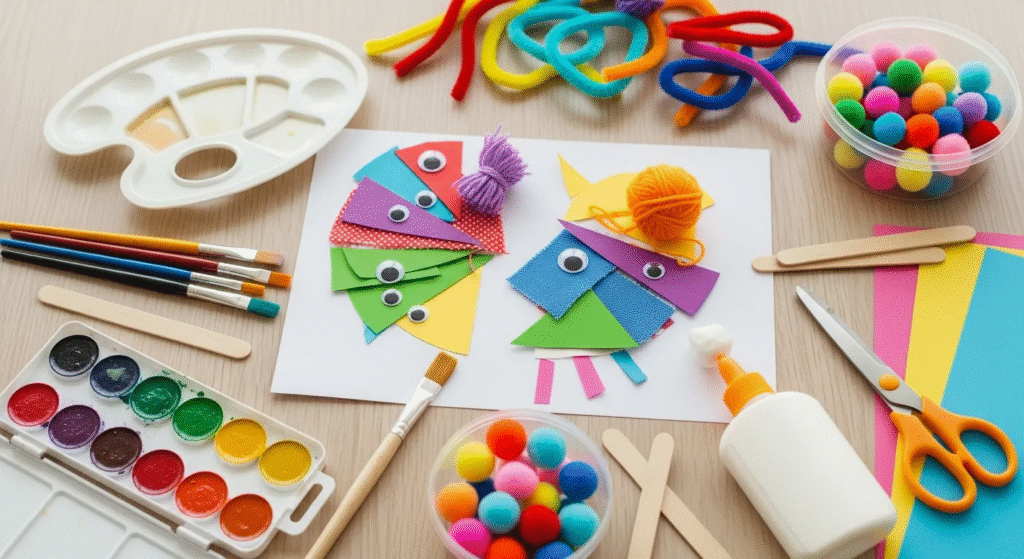
Kids are natural creators, but they don’t need highly structured “paint-by-number” kits that dictate exactly what the final product should look like. They need raw, open-ended materials.
- The Art Supply Overhaul: Instead of a cheap, pre-packaged art set where the markers dry out in three days, put together a custom bundle. Grab a high-quality sketchbook with thick paper, a set of vibrant watercolor cakes, good colored pencils, and a tub of air-dry clay.
- The Gift of Noise (with a volume knob): Simple musical instruments—like a kid-friendly ukulele, a small electronic keyboard, or a set of hand drums—let children explore rhythm and sound.
A Pro-Tip for Art Gifts: If you are giving a messy gift (like paint, clay, or tie-dye), always include a cheap plastic mess-mat or a child-sized apron. The child’s parents will silently thank you for protecting their kitchen table.
3. Burn That Energy: Gifts for the Great Outdoors
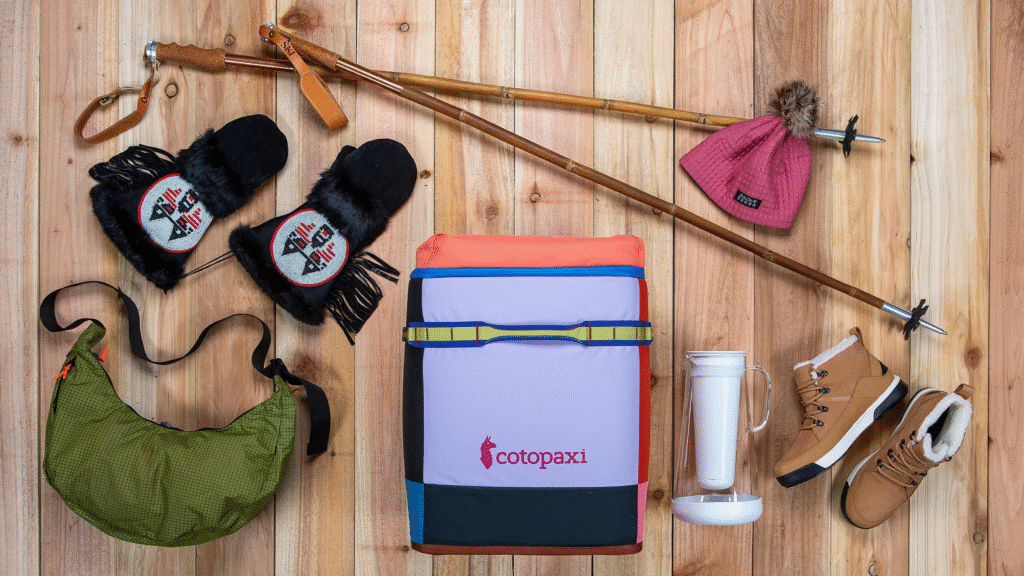
If you want to guarantee a gift gets used, buy something that requires the kid to step outside and get dirty. In a world of increasing screen time, outdoor toys are a breath of fresh air—literally.
- Classic Wheels: You can never go wrong with a sturdy kick-scooter, a balance bike, or a skateboard, complete with a cool helmet.
- The Backyard Explorer Kit: A pair of real, kid-friendly binoculars, a magnifying glass, a bug-catching net, and a pocket field guide can turn a boring patch of suburban grass into a massive wild safari.
- Active Games: Lightweight lawn games, soccer nets, or a simple Velcro catch-and-toss set encourage physical coordination and cooperative play with siblings or neighborhood friends.
4. The Magic of “Doing”: Why Experience Gifts Win
Some of the best gifts don’t come wrapped in paper at all. As kids grow older and their bedrooms fill up with clutter, experience gifts become incredibly valuable. They create memories that outlast any plastic toy.
Consider gifting:
- Annual passes to the local zoo, science museum, trampoline park, or aquarium.
- Tickets to a live theater performance, a sporting event, or a movie night out with their favorite adult (you!).
- A registration fee for a class they’ve been dying to try, whether that’s cooking, gymnastics, pottery, or swimming lessons.
These gifts offer the added bonus of giving parents a fun family outing or a much-needed afternoon break.
5. Age-Appropriate Milestones
Toddlers (Ages 1–3): Focus on sensory exploration. Chunky wooden puzzles, push-and-pull toys, stacking cups, and soft fabric books are perfect for small hands developing fine motor skills.
Preschoolers (Ages 4–5): This is the golden age of dramatic, imaginative play. Think dress-up clothes, play kitchens, simple board games, and basic building blocks.
Early Elementary (Ages 6–8): Kids this age love a challenge. Look for basic science kits, intermediate Lego sets, graphic novels, and active outdoor games.
Tweens (Ages 9–12): Focus on emerging personal hobbies. High-quality art markers, intermediate coding games, complex strategy board games, or outdoor adventure gear (like a sleeping bag or a quality backpack) respect their growing independence.
To prevent a gift from causing immediate frustration, keep the child’s developmental stage in mind:
The Presentation Is Half the Fun
At the end of the day, kids are emotional creatures. The way you present a gift can elevate the entire experience.
Instead of just handing over a gift bag, turn the presentation into a game. Hide the gift and create a simple, hand-drawn treasure map of the house for them to follow. Or, wrap the box in multiple layers of newsprint so they have to work to get to the center.
By making the act of receiving the gift an adventure in itself, you show the child that they are seen, understood, and deeply cared for—and that is the best gift of all.
FAQ’S
1. What are the best gifts for kids?
Educational toys, books, creative kits, and outdoor games are excellent gift choices.
2. How do I choose the right gift for a child?
Consider the child’s age, interests, hobbies, and developmental stage.
3. Are educational gifts better than regular toys?
Educational gifts combine fun with learning, making them a great long-term choice.
4. What are good birthday gift ideas for kids?
Building sets, art supplies, board games, personalized gifts, and sports equipment are popular options.
5. Can personalized gifts make children feel special?
Yes, personalized gifts add a unique touch and create lasting memories for children.