

We’ve all had that moment: staring at a screen of open tabs at midnight, comparing flight prices Travel that seem to fluctuate every time we refresh, wondering if we’re actually getting a deal or just falling for a clever marketing gimmick.
For a long time, international travel felt like a luxury reserved for milestone anniversaries or years of aggressive savings. But as we navigate 2026, the landscape has fundamentally shifted. The post-pandemic “revenge travel” surge has finally stabilized, leaving airlines, boutique hotels, and global operators in a fierce battle for our attention.
The result? Some of the most creative, value-packed travel opportunities we have seen in a decade.
But let’s be clear: a great travel deal isn’t just about finding the absolute lowest price. If you buy a rock-bottom ticket but end up paying $100 for carry-on bags, landing at an airport three hours outside the actual city at 3:00 AM, and staying in a hotel that looks nothing like the photos, you haven’t saved money—you’ve just purchased stress.
True travel value is about maximizing your emotional return on investment. It’s about finding those beautiful sweet spots where comfort, authenticity, and affordability meet.
The Golden Age of Travel: Unpacking the Shift in Global Tourism

The travel industry in 2026 is smarter, more flexible, and highly competitive. Airlines have optimized their routes, regional carriers have expanded their footprints, and boutique hospitality brands are offering hyper-localized experiences rather than cookie-cutter hotel rooms.
Furthermore, the rise of remote work and flexible schedules has permanently smoothed out the traditional “peak” and “off-peak” travel seasons. Because more people can work from anywhere, travel providers are offering deep discounts during what used to be dead zones—like mid-week departures or shoulder-season months—making world-class destinations surprisingly accessible to anyone who can plan with a little bit of flexibility.
Classic European City Breaks: Smart Traveling Through Historic Alleyways
There is a romantic pull to Europe that never quite fades. The dream of sipping an espresso at a sidewalk café in Paris, watching the sunset over the Tiber in Rome, or getting lost in the labyrinthine streets of Prague is universally alluring.
But Europe can also be a massive budget trap if you don’t travel smart.
- The Shoulder-Season Strategy: If you want to experience Europe without the crushing crowds and inflated prices, target the sweet spots of April to May and September to October. The weather is often gorgeous, the locals are far more relaxed, and flight prices drop significantly.
- The Secondary-City Hack: Instead of focusing exclusively on the “mega-cap” destinations like London or Paris, consider regional travel hubs that offer double the culture for half the price. Swap Amsterdam for Utrecht; swap Barcelona for Valencia; swap Munich for Budapest. You will experience a more authentic slice of local life while keeping your wallet happy.
Tropical Travel Escapes: Finding Luxury in the Shallows

For those whose ultimate form of therapy is the sound of crashing waves and the feeling of warm sand between their toes, the tropical travel landscape in 2026 is incredibly welcoming. Destinations that once seemed exclusively reserved for the ultra-wealthy are now within reach thanks to competitive resort bundling.
The Bundling Secret: When booking tropical escapes to places like Bali, Thailand, or Mauritius, look for packages that include “half-board” or “full-board” dining. Island logistics mean eating out at independent restaurants can quickly become expensive; having your breakfast and dinner included in the room rate often saves hundreds of dollars over a week-long stay.
Balancing the Tropical Maps
| Destination | Best Travel Window | The Value Highlight |
|---|---|---|
| Bali (Indonesia) | May to September | Incredible private villas with pools at fractional cost. |
| Phuket (Thailand) | November to February | Cheap, world-class street food and accessible island-hopping. |
| Mauritius | May to December | Exceptional luxury resorts offering deep shoulder-season discounts. |
| Fiji | May to October | Warm community-led eco-resorts with rich cultural integration. |
Budget-Friendly Asian Journeys: Slow Travel in Vibrant Metropolises
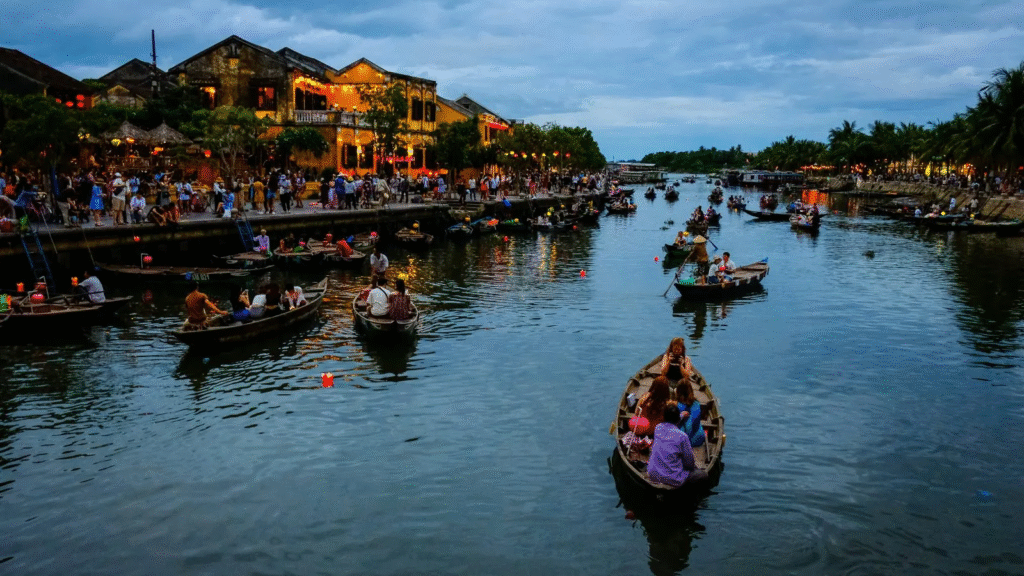
Asia has long been the gold standard for high-value travel, and that reputation remains completely intact. Whether you are navigating the neon-lit streets of Tokyo, exploring the ancient temples of Kyoto, eating your way through the night markets of Hanoi, or hiking the tea plantations of Sri Lanka, the region offers an unparalleled sensory experience.
To get the most out of an Asian itinerary, embrace the concept of slow travel.
Instead of trying to hit four countries in ten days—spending half your budget and energy on regional flights and airport security check-ins—pick one or two regions and dive deep. Spend a full week in Northern Vietnam, or dedicate ten days to exploring the cultural triangle of Sri Lanka.
By staying in one place longer, you reduce your transportation overhead, negotiate better rates on local accommodations, and build a genuine relationship with the neighborhoods you visit.
High-End Travel Hacks: Splurging Smarter, Not Harder
We all deserve a little luxury now and then. But you don’t need to be a millionaire to enjoy a five-star travel experience. The secret lies in understanding how luxury properties manage their inventory.
Many high-end resorts and boutique hotels experience sharp drops in occupancy during specific mid-week windows or immediately following major holidays. To fill those empty beds without publicly degrading their brand value with cheap rates, they offer quiet upgrades and value-add bundles.
- Look for the Perks, Not Just the Price: A $300-a-night hotel room that includes a free room upgrade, complimentary daily breakfast for two, a $100 resort dining credit, and a late checkout is vastly cheaper in the long run than a $200-a-night room where you are charged $30 for breakfast, $20 for Wi-Fi, and have to pay for airport transfers separately.
- Repositioning Cruises: If you want a luxury cruise experience for a fraction of the cost, look for “repositioning cruises.” These are the trips cruise lines take when they need to move a ship from its summer home in Europe to its winter home in the Caribbean. Because there are fewer port stops and more days at sea, these itineraries are sold at incredibly steep discounts while keeping all the five-star amenities on board.
Family and Romantic Travel: Designing Journeys for Connection

When booking a romantic getaway, prioritize intimacy over location. A quiet, secluded cabin in the woods of Norway or a private cliffside bungalow in Greece will do far more for your relationship than a frantic, jam-packed tour of a crowded capital city.
If you are traveling with kids, the words “all-inclusive” should sound like music to your ears.
Whether you are traveling with toddlers, teenagers, or your partner, the success of a trip relies on minimizing daily friction.
Family Travel: The All-Inclusive Savior
Managing a family’s food preferences, snack emergencies, and activity schedules in a foreign country can be exhausting. An all-inclusive family resort removes the constant negotiation. The kids have unlimited access to pools, kids’ clubs, and snacks, while parents can actually relax without constantly pulling out their credit cards for every ice cream cone or soda.
Romantic Travel: Intentional Isolation
For couples, a great trip isn’t about running through a checklist of famous monuments. It’s about creating space to talk, laugh, and reconnect away from the domestic grind.
When booking a romantic getaway, prioritize intimacy over location. A quiet, secluded cabin in the woods of Norway or a private cliffside bungalow in Greece will do far more for your relationship than a frantic, jam-packed tour of a crowded capital city.
Adventure Travel Frontiers: Pushing Your Boundaries Safely
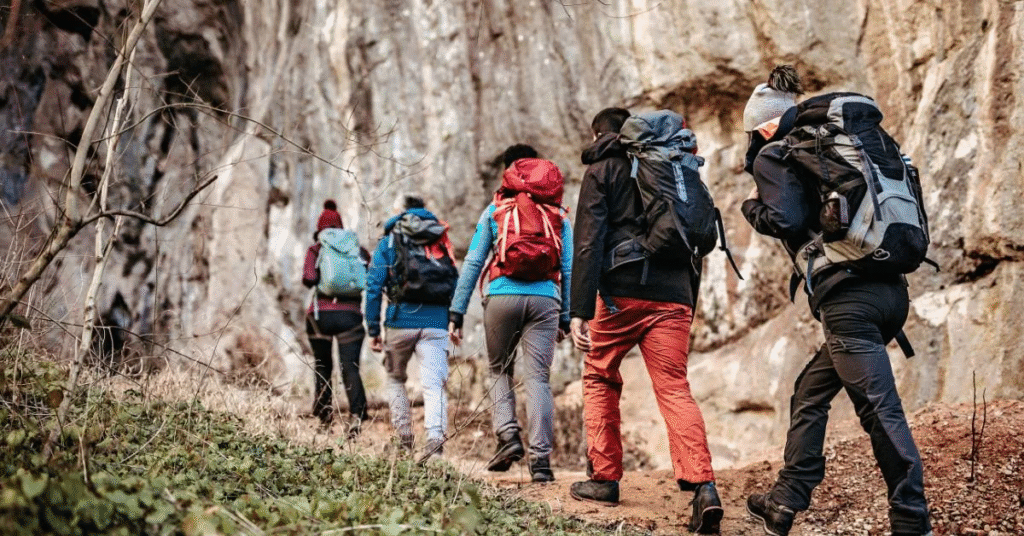
There is a growing global movement of travelers who are trading the lounge chair for hiking boots. From trekking the classic paths of Nepal to exploring the volcanic valleys of Iceland, or surfing the rugged coasts of Costa Rica, active travel is more popular than ever.
By bypassing the middleman, more of your money goes directly into the pockets of the local guides, porters, and communities who actually make your adventure possible, while giving you a far more authentic, less sanitized experience.
The Travel Booking Blueprint: Outsmarting the Algorithms
Finding a great deal isn’t about luck; it’s about strategy. Here is the exact checklist professionals use to secure the best rates in 2026:
- Set Flight Alerts Early: Don’t wait until you are ready to buy to check prices. Set up tracking alerts on aggregators like Google Flights or Skyscanner at least three to six months before your departure. This gives you a baseline understanding of what a “good” price actually looks like for your route.
- The “Positioning Flight” Hack: If you live in a smaller city, booking a single ticket to an international destination can be incredibly expensive. Instead, book a cheap, local budget flight to a major hub (like New York, London, or Singapore), and book your long-haul international flight from there. Just make sure to leave a generous, multi-hour buffer between your flights in case of delays!
- Use the 24-Hour Rule: In many jurisdictions (including the US), airlines are legally required to give you a full refund if you cancel a flight within 24 hours of booking, provided you booked at least a week before departure. If you see a great fare, lock it in immediately, then spend the next 24 hours confirming your time off work and double-checking your hotel options.
Mindful Travel Habits: The Rise of the Eco-Conscious Traveler

As we travel deeper into 2026, we cannot ignore the footprint we leave behind. The conversation around travel has evolved from pure consumerism to stewardship. Sustainable travel is no longer a niche trend; it’s a shared responsibility.
- Support the Micro-Economy: Skip the global hotel chains and stay in locally owned guesthouses. Eat at family-run restaurants, buy souvenirs from the actual artisans who made them, and hire local guides. This ensures your travel dollars directly benefit the community you are visiting.
- Say No to Single-Use: Travel with a reusable water bottle (ideally one with a built-in filter if you are traveling to areas with poor water infrastructure), reusable shopping bags, and solid toiletries (like shampoo bars) to minimize the plastic waste you leave in fragile ecosystems.
Essential Travel Prep: Moving from Anxious to Unstoppable
The secret to a stress-free vacation is what you do before you leave your house. A little bit of organized preparation can prevent a minor travel hiccup from turning into a full-scale holiday disaster.

- The Digital Vault: Take photos of your passport, visa, travel insurance, vaccination records, and flight itineraries. Email them to yourself and save them offline on your phone. If you lose your physical documents, having these digital copies will save you days of bureaucratic headache at the local embassy.
- The Travel-Friendly Credit Card: Never travel internationally with a card that charges foreign transaction fees. Those tiny 2% to 3% fees on every meal, coffee, and train ticket add up to a massive, unwelcome surprise on your bill when you return home.
- Embrace the Unplanned: The most memorable travel experiences are almost never the ones you meticulously scheduled. They are the spontaneous detours, the wrong turns that led to a hidden bakery, the rainy afternoon spent playing cards in a cozy pub, or the conversation you had with a local stranger on a train.
Leave room in your itinerary for the magic of the unexpected. Plan the logistics, secure the deals, and then step onto that plane with an open mind and a willing heart. The world is waiting.
FAQ’S
1. When is the best time to book international travel deals?
Booking 2–6 months in advance often helps you get the best prices.
2. Are travel packages cheaper than booking separately?
Yes, many travel packages offer savings on flights, hotels, and activities.
3. Which destinations offer the best travel deals in 2026?
Thailand, Vietnam, Bali, Turkey, and parts of Europe often provide excellent value.
4. Should I buy travel insurance for international trips?
Yes, travel insurance helps protect you from unexpected cancellations, delays, and medical emergencies.
5. How can I save money on international travel?
Book early, compare prices, travel during off-peak seasons, and look for bundled travel deals.